
Author: Reverend Michael Johnson
-

What the Bible Says About the Definition of a Plumb
In the Bible, a plumb line symbolizes God’s standard of justice and righteousness, as seen in Amos 7:7-8, where God uses it to measure the spiritual integrity of His people. It represents the evaluation of moral and ethical alignment with divine expectations. Scripture 7 This is what he showed me: behold, the Lord was standing…
-

What the Bible Says About Creation: A Definition from the Blue Letter Bible
In the Blue Letter Bible, “Creation” refers to the act of God bringing the universe and all living things into existence, as described in Genesis 1. It encompasses the divine power and authority of God as the creator of all that is seen and unseen. Scripture 1 In the beginning, God created the heavens and…
-

What the Bible Says About Eating Fruit: A Symbol of Sexuality
In the Bible, fruit often symbolizes the consequences of one’s actions, particularly in reference to obedience or disobedience to God, as seen in the story of Adam and Eve with the forbidden fruit (Genesis 3). Sexuality is frequently depicted as a gift from God, meant to be expressed within the bounds of marriage, symbolizing unity…
-

What the Bible Says About Naught: Understanding Its Definition and Context
In the Bible, “naught” typically refers to something of no value or worthlessness. It is often used to indicate the futility of human efforts apart from God, emphasizing the idea of nothingness or emptiness in a spiritual or moral context. Scripture 6 And you know that with all my might I have served your father.…
-
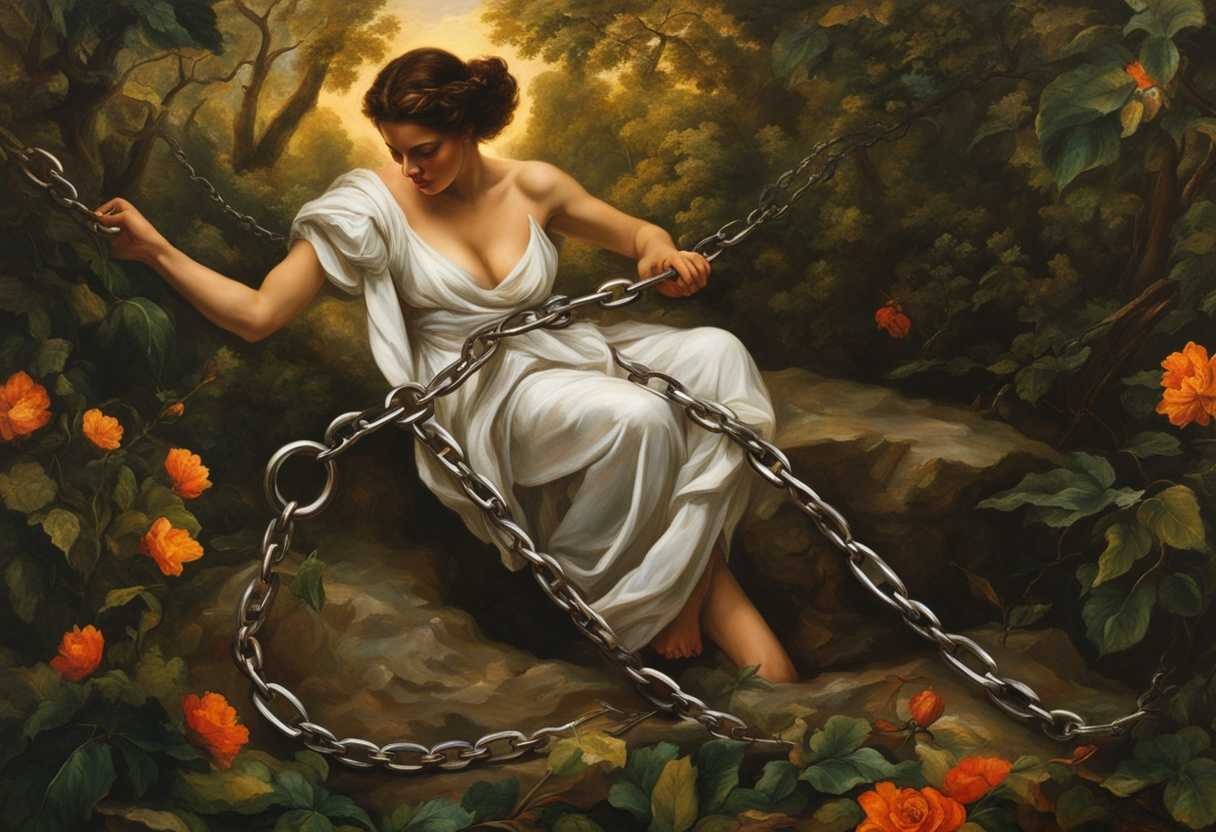
What the Bible Says About Freedom: A Contrast with Rousseau’s Philosophy
In the Bible, freedom is often defined as the liberation from sin and spiritual bondage, exemplified in Galatians 5:1, which states, “It is for freedom that Christ has set us free.” In contrast, Rousseau’s definition of freedom emphasizes the idea of living according to one’s own will and the social contract, advocating for individual autonomy…
-

What the Bible Says About the Meaning of the Word Street
In the Bible, a “street” often symbolizes a place of public life and activity, as seen in references to streets in cities where people gather, conduct business, or encounter one another (e.g., Proverbs 1:20). It can also represent a realm of moral choices and the path of wisdom versus folly (e.g., Matthew 7:13-14). Scripture 20…
-

What the Bible Says About the Meaning of Dry
In the Bible, “dry” often signifies an absence of water or moisture, symbolizing barrenness or desolation, as seen in the descriptions of drought or dry land. Additionally, it can represent spiritual dryness or a lack of vitality in one’s relationship with God (e.g., Psalm 63:1). Scripture 6 At the end of forty days Noah opened…
-

What the Bible Says About Boasting: Understanding Its Definition and Context
In the Bible, to boast refers to taking pride in one’s accomplishments or attributes, often in a way that may be seen as arrogant or self-glorifying, as illustrated in Jeremiah 9:23-24, which emphasizes that true boasting should be in understanding and knowing God. Boasting is generally discouraged, as it can lead to hubris and distract…
-
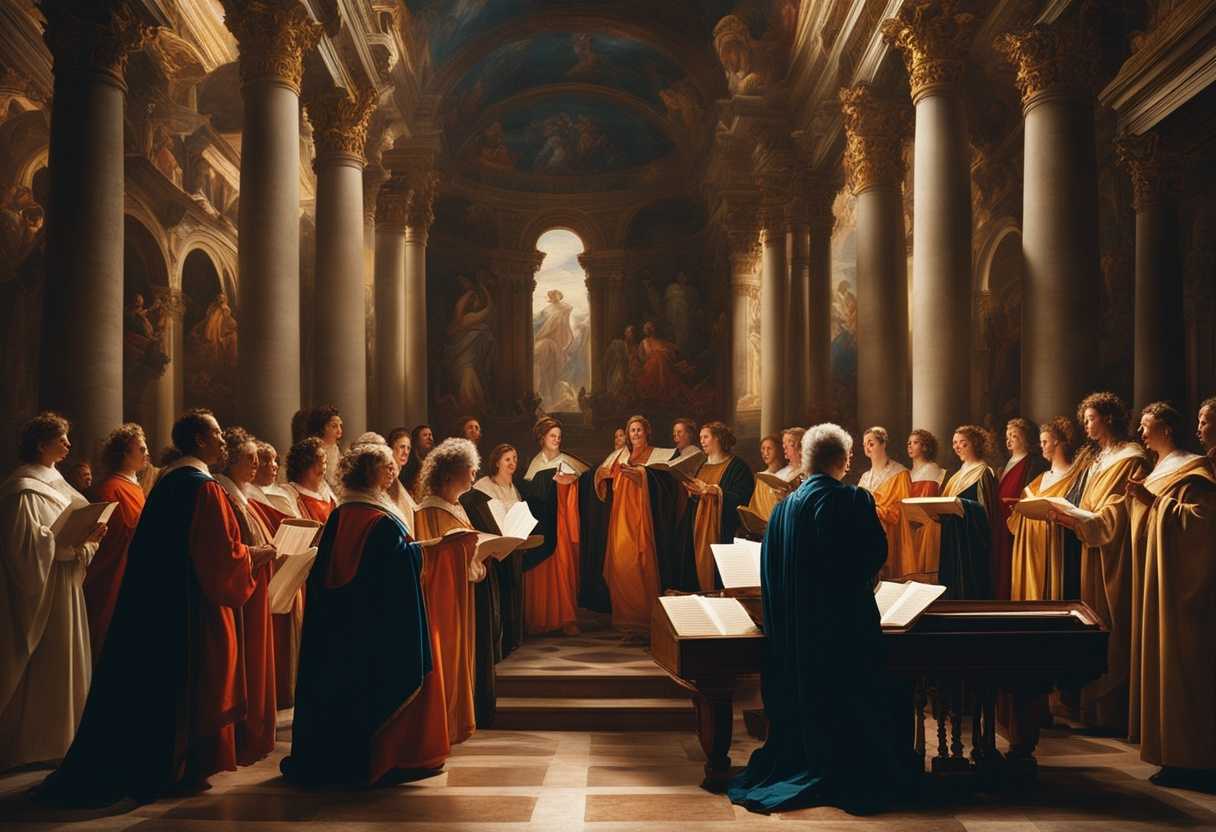
What the Bible Says About Choirs: A Definition and Exploration
In the Bible, “choirs” often refer to groups of singers or musicians dedicated to worship and praise, particularly in the context of temple services, as seen in passages like 1 Chronicles 25. These choirs played a significant role in enhancing the worship experience and uplifting the congregation through song. Scripture 16 David also commanded the…
-

What the Bible Says About the Definition of “Throw”
In the Bible, “throw” often signifies the act of casting away or relinquishing something, as seen in passages like Psalm 55:22, which advises believers to “cast your burden on the Lord.” It can also imply judgment or destruction, as in the parable of the weeds in Matthew 13:30, where it describes gathering and throwing away…