
Author: Reverend Michael Johnson
-

What the Bible Says About Lament: A KJV Perspective
In the Bible, “lament” refers to a passionate expression of grief or sorrow, often directed towards God. It is commonly found in the Psalms and signifies a heartfelt plea for divine help in times of distress and suffering. Scripture 1 After this Job opened his mouth and cursed the day of his birth. 2 And…
-

What the Bible Says About Blemish: Definition and Significance
In the Bible, a “blemish” typically refers to a physical flaw or imperfection, often used in the context of sacrificial animals, which were required to be without blemish to be considered acceptable offerings to God (e.g., Leviticus 22:20-21). Metaphorically, it can also signify moral or spiritual imperfections in a person or community. Scripture 16 And…
-

What the Bible Says About Wild Beasts
In the Bible, “wild beasts” often symbolize dangerous, untamed forces or nations, as seen in various prophetic and apocalyptic texts. They can also represent chaos and evil, contrasted with the order found in God’s creation (e.g., Psalm 50:10, Daniel 7:3). Scripture 24 And God said, “Let the earth bring forth living creatures according to their…
-

What the Bible Says About Reasoning: A Definition and Exploration
In the Bible, reasoning often refers to the process of thinking critically or logically, typically in the context of understanding spiritual truths or making moral decisions. It is seen as a means of discerning God’s will, as demonstrated in passages such as Isaiah 1:18, where God invites His people to reason together with Him. Scripture…
-

What the Bible Says About Factions: Understanding Its Meaning and Implications
In the Bible, factions refer to divisions or groups within a community that often arise from disagreements or rivalries. This concept is often addressed in the New Testament, particularly in Galatians 5:20, where factions are listed among the works of the flesh that lead to discord rather than unity in Christ. Scripture 10 I appeal…
-

What the Bible Says About Compromise: Understanding Its Meaning and Implications
In the Bible, compromise often refers to the concession of one’s principles or faith, seen as detrimental to one’s relationship with God. It can lead to moral and spiritual decline, as illustrated in stories where faithful individuals or communities wavered in their beliefs to appease worldly influences or pressures (e.g., the Israelites compromising with surrounding…
-

What the Bible Says About the Meaning of Coal
In the Bible, coal is often associated with purification and judgment. For instance, in Isaiah 6:6-7, a coal from the altar touches the prophet’s lips, symbolizing the cleansing of sin and preparation for God’s service. Scripture 5 And I said: “Woe is me! For I am lost; for I am a man of unclean lips,…
-

What the Bible Says About Banqueting: A Definition and Exploration
In the Bible, “banqueting” often refers to extravagant feasting or celebratory meals, symbolizing joy and abundance. It can also carry spiritual implications, representing fellowship and communion, as seen in passages like Luke 14:15-24 where Jesus encourages sharing in the kingdom of God. Scripture 18 And Melchizedek king of Salem brought out bread and wine. He…
-
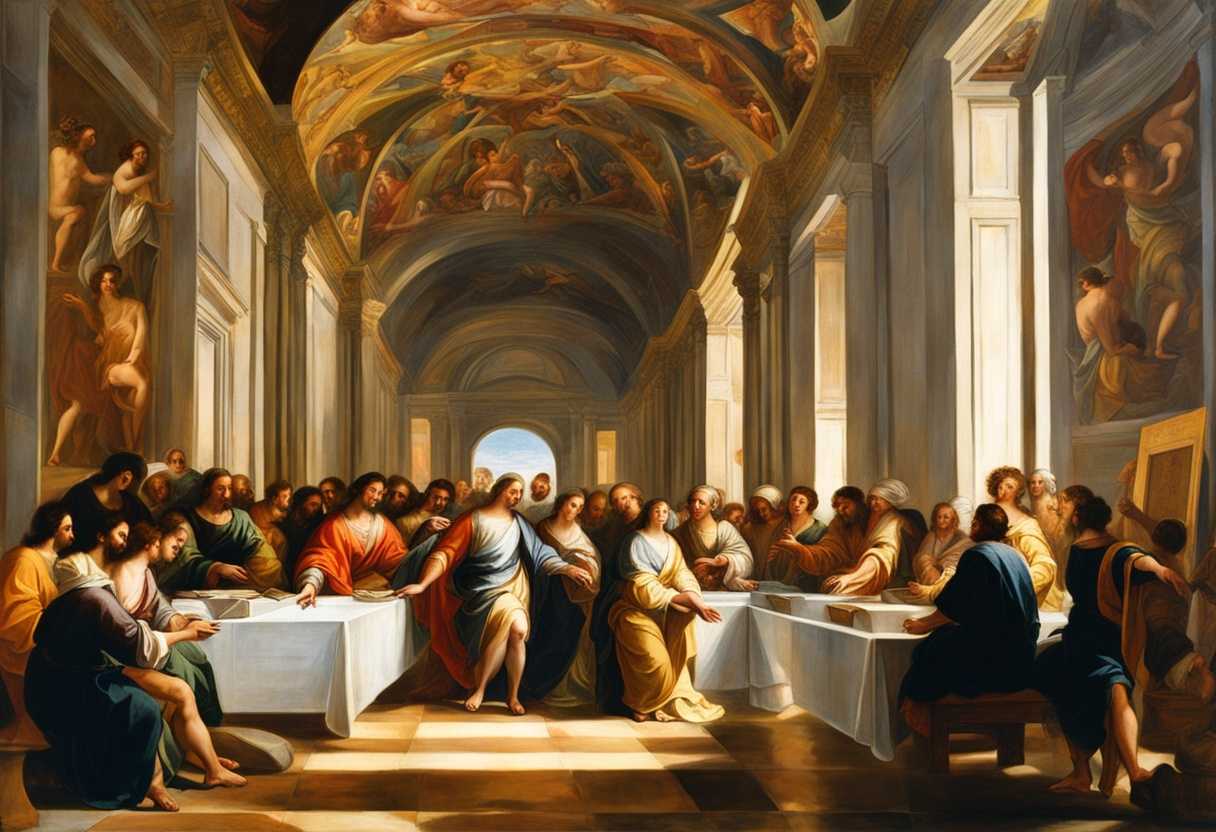
What the Bible Says About Democratizing Meaning
Democratizing the Bible refers to the process of making biblical texts accessible and interpretable to a broader audience, emphasizing individual engagement and interpretation rather than relying solely on institutional authority. This concept aligns with the biblical principle that all believers are called to read and understand Scripture, as seen in passages like 1 Peter 2:9,…
-

What the Bible Says About Frowardness: Understanding Its Definition and Implications
In the Bible, “frowardness” refers to a state of being perverse, stubborn, or difficult to deal with, often associated with resisting wisdom and guidance. It signifies a moral attitude that is contrary to righteousness, leading one away from the path of obedience to God. Scripture 12 delivering you from the way of evil, from men…