
Author: Reverend Ogunlade
-

What the Bible Means by “Begat”
In the Bible, “begat” refers to the act of procreation or the generation of offspring, often used in genealogies to indicate parentage or lineage. It conveys the idea of one person giving birth to or fathering another, emphasizing descent and family connections. Scripture 18 To Enoch was born Irad, and Irad fathered Mehujael, and Mehujael…
-
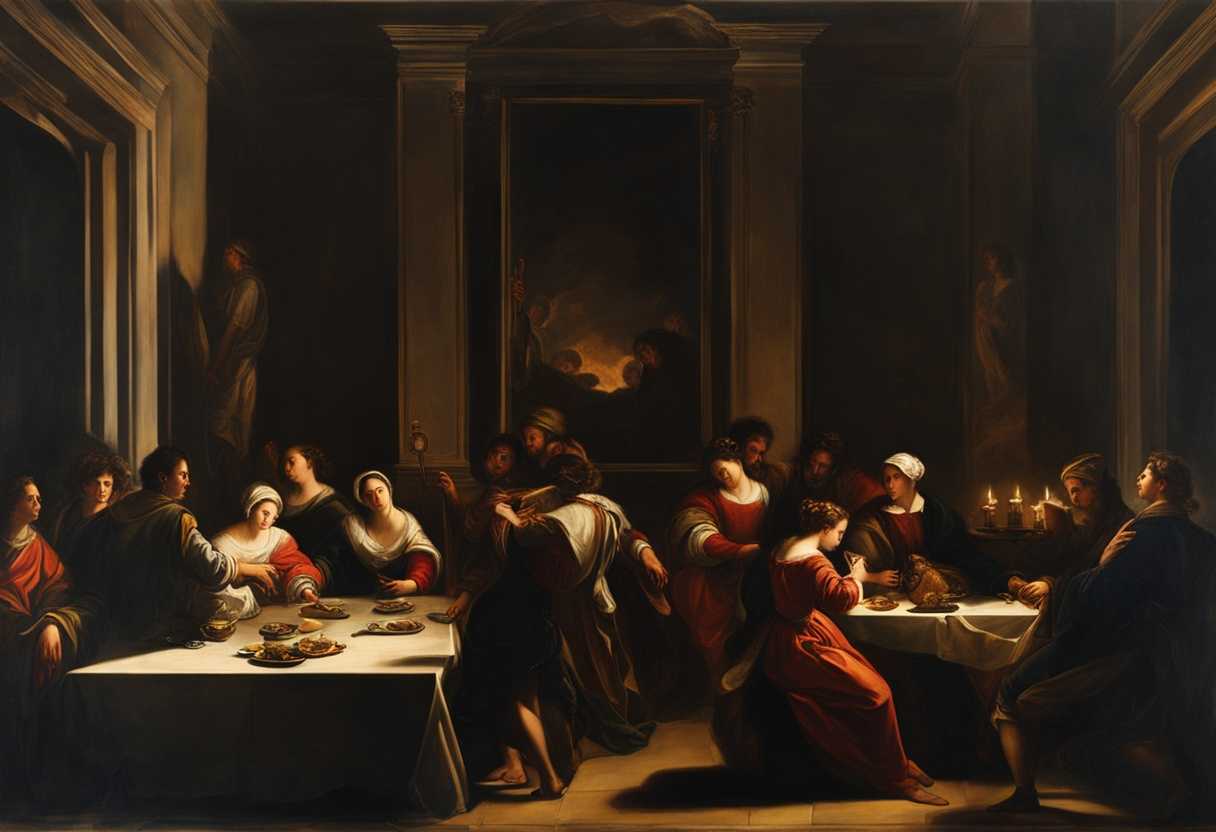
What the Bible Says About Casting Lots
In the Bible, casting lots refers to a method of making decisions or determining God’s will, often seen as an act of seeking divine guidance. It is mentioned in several instances, such as in Proverbs 16:33 and Acts 1:26, where it is portrayed as a way to select individuals or allocate resources based on chance,…
-

What the Bible Says About Adversity
In the Bible, adversity often refers to difficult or challenging circumstances that test faith and character, leading to spiritual growth and reliance on God. It is frequently depicted as a means through which believers can develop perseverance and draw closer to God, as seen in passages like James 1:2-4, which encourages seeing trials as opportunities…
-

What the Bible Says About Bitterns
In the Bible, the bittern is often interpreted as a symbol of desolation and abandonment, mentioned in Isaiah 14:23 and 34:11, where it is associated with wastelands and ruins. The presence of the bittern serves to illustrate God’s judgment and the desolation of cities once inhabited. Scripture 13 “And these you shall detest among the…
-

What the Bible Says About Strife
In the Bible, “strife” refers to conflict, contention, or struggle often resulting from disagreements or rivalry among individuals or groups (Proverbs 20:3; James 3:16). It is generally viewed negatively, as it can lead to discord and disrupt harmony within relationships and communities. Scripture 12 Hatred stirs up strife, but love covers all offenses. Proverbs 10:12-12…
-

What the Bible Says About Countenance
In the Bible, “countenance” refers to a person’s facial expression or appearance, often reflecting their inner state or emotions. It can signify the favor or displeasure of God, as seen in passages where a joyful or shining countenance indicates divine approval, while a downcast countenance may suggest distress or sin. Scripture 5 but for Cain…
-

What the Bible Says About Dross
In the Bible, “dross” refers to the waste material or impurities that are separated from precious metals during the refining process, symbolizing uselessness or sinfulness that needs to be removed (Proverbs 25:4; Isaiah 1:22). It can represent the unworthy aspects of a person’s character that must be purged to reveal true value. Scripture 4 Take…
-

What the Bible Says About Ebenezer
In the Bible, “Ebenezer” means “stone of help,” and it refers to a memorial stone set up by the prophet Samuel to commemorate God’s assistance to the Israelites in defeating the Philistines (1 Samuel 7:12). It symbolizes recognition of divine help and God’s faithfulness. Scripture 12 Then Samuel took a stone and set it up…
-

What the Bible Says About Animals
In the Bible, animals are created beings that God made on the fifth and sixth days of creation, as stated in Genesis 1:20-25. They are often viewed as part of God’s creation that should be treated with care and respect, as seen in Proverbs 12:10, which emphasizes the righteous care for animals. Scripture 20 And…
-

What the Bible Says About Fret
In the Bible, “fret” often conveys the idea of anxiety, worry, or agitation. It is notably mentioned in Psalm 37:1, where believers are counseled not to fret because of evildoers, emphasizing trust in God over concern for the wicked. Scripture 1 Fret not yourself because of evildoers; be not envious of wrongdoers! 2 For they…