
Author: Reverend Ogunlade
-
What the Bible Says About Posterity: Understanding Its Meaning and Significance
In the Bible, “posterity” refers to future generations or descendants that follow an individual or people. It often encompasses the continuation of a lineage or the fulfillment of God’s promises through the offspring of the faithful, as seen in passages like Genesis 17:7 and Psalm 22:30. Scripture 7 And I will establish my covenant between…
-
What the Bible Says About “Thee” and Its Meaning
In the Bible, “thee” is an archaic form of the pronoun “you,” specifically used in the singular form. It often appears in translations such as the King James Version to convey a sense of intimacy or direct address. Scripture 1 And God spoke all these words, saying, 2 “I am the Lord your God, who…
-
What the Bible Says About Feasts
In the Bible, a feast is typically a celebratory meal that commemorates religious events or significant occasions, often marked by communal gatherings and rituals, such as the Passover or the Feast of Tabernacles. It serves as a time of joy, thanksgiving, and worship, reflecting God’s provision and blessings. Scripture 14 “This day shall be for…
-
What the Bible Says About the Meaning of Mire
In the Bible, “mire” refers to a muddy or swampy area, symbolizing distress or a situation of being trapped and in trouble. It often represents spiritual or emotional struggles, as seen in Psalms 69:2, where the psalmist describes being overwhelmed and seeking deliverance from God’s saving hand. Scripture 1 I waited patiently for the Lord;…
-

What the Bible Says About Mansions: A Definition and Exploration
In the Bible, the term “mansion” is primarily derived from the Greek word “monē,” meaning a dwelling place or abode. In John 14:2, Jesus states, “In my Father’s house are many mansions,” which signifies the promise of a place in heaven for believers, emphasizing a permanent, comforting home in God’s presence. Scripture 2 In my…
-
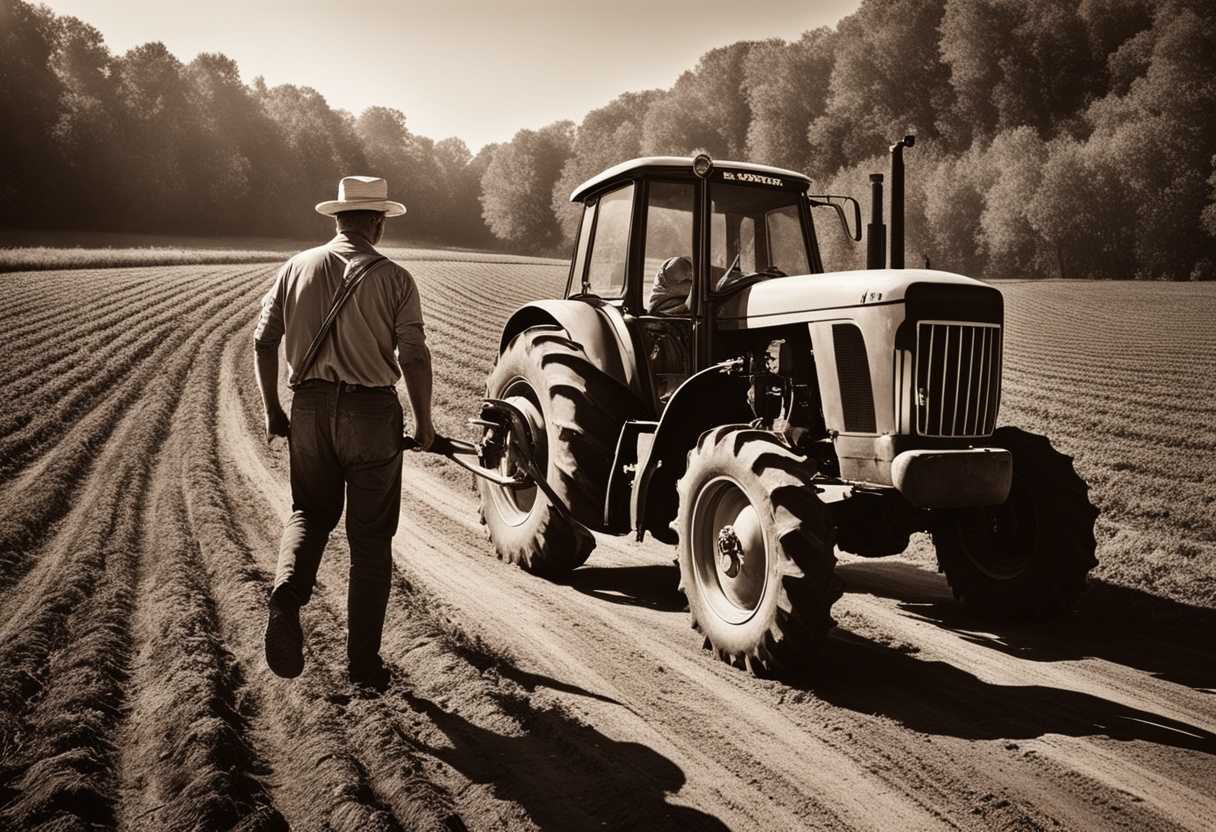
What the Bible Says About the Plow: Understanding Its Definition and Significance
In the Bible, “plow” symbolizes spiritual cultivation and preparation for growth, often used metaphorically to represent diligent work and commitment in one’s faith (Luke 9:62). It signifies the effort required to turn one’s heart towards God and to produce good fruits in life. Scripture 6 For the famine has been in the land these two…
-

What the Bible Says About the Meaning of Life
In the Bible, “pitch” often refers to a tar-like substance used for waterproofing, particularly in the construction of Noah’s Ark (Genesis 6:14). It symbolizes protection and preservation against judgment and destruction. Scripture 14 Make yourself an ark of gopher wood. 15 This is how you are to make it: the length of the ark three…
-

What the Bible Says About the Meaning of a Leper
In the Bible, a leper refers to a person afflicted with leprosy, a serious skin disease considered both physically debilitating and spiritually impure. Lepers were often isolated from society according to Levitical laws, as described in Leviticus 13-14, highlighting the social and religious consequences of the illness. Scripture 1 The Lord spoke to Moses and…
-

What the Bible Says About Lifeblood: Definition and Significance
In the Bible, “lifeblood” refers to the essential life force found in blood, symbolizing life itself; it is often associated with the sanctity of life and the seriousness of shedding blood, as seen in Genesis 9:4-6, which emphasizes that blood is sacred and should not be shed unjustly. Scripture 4 But you shall not eat…
-

What the Bible Says About Distress
In the Bible, “distress” often refers to a state of deep sorrow, anguish, or trouble, often resulting from hardship, danger, or oppression. It is commonly associated with a call for help, as seen in passages where individuals seek divine assistance during times of suffering (Psalm 18:6, 34:17). Scripture 17 When the righteous cry for help,…