
Category: 2 Chronicles
-
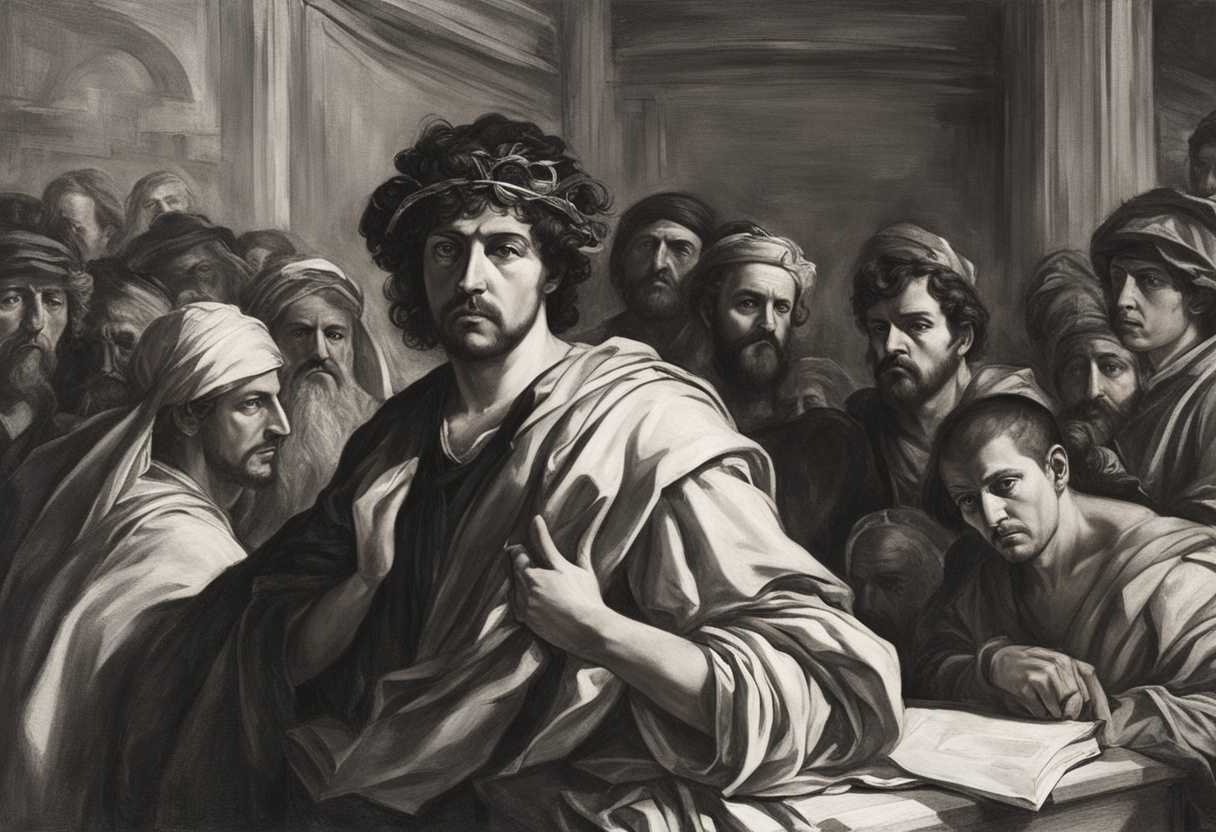
What does 2 Chronicles 33:21-25 really mean?
2 Chronicles 33:21-25 is about the reign of King Amon of Judah, who did evil in the sight of the Lord by following in the footsteps of his father, Manasseh, but eventually faced judgment and was assassinated by his own servants, highlighting the consequences of disobedience towards God. 21 Amon was twenty-two years old when…
-

What does 2 Chronicles 26:16-21 really mean?
2 Chronicles 26:16-21 is about King Uzziah’s pride and his attempt to take on the role of a priest by offering incense in the temple, resulting in his punishment with leprosy and a reminder that there are boundaries and consequences for overstepping one’s designated role or authority. 16 But when he was strong, he grew…
-

What does 2 Chronicles 1:13-17 really mean?
2 Chronicles 1:13-17 is about King Solomon’s great wisdom and wealth, illustrating the importance of seeking divine guidance and using earthly blessings for the glory of God. 13 So Solomon came from the high place at Gibeon, from before the tent of meeting, to Jerusalem. And he reigned over Israel. 14 The chariots were imported…
-

What does 2 Chronicles 14:6-8 really mean?
2 Chronicles 14:6-8 is about King Asa of Judah leading his people to depend on God and trust in His protection as they prepare for battle against a vast Ethiopian army, illustrating the importance of placing faith in God in times of adversity. 6 He built fortified cities in Judah, for the land had rest.…
-

What does 2 Chronicles 18:4-8 really mean?
2 Chronicles 18:4-8 is about King Ahab seeking counsel from false prophets who only tell him what he wants to hear, instead of seeking the truth from a genuine prophet of God. 4 And Jehoshaphat said to the king of Israel, “Inquire first for the word of the Lord.” 5 Then the king of Israel…
-

What does 2 Chronicles 17:3-6 really mean?
2 Chronicles 17:3-6 is about King Jehoshaphat following in the ways of his ancestor David, seeking the Lord wholeheartedly, implementing reforms, and experiencing prosperity and success as a result of his faithfulness. 3 The Lord was with Jehoshaphat, because he walked in the earlier ways of his father David. He did not seek the Baals,…
-

What does 2 Chronicles 24:8-14 really mean?
2 Chronicles 24:8-14 is about King Joash reinstating the practice of collecting offerings to repair the house of the Lord, illustrating the importance of faithful stewardship and the restoration of worship in the temple of God. 8 And the king commanded, and they made a chest and set it outside the gate of the house…
-

What does 2 Chronicles 26:11-15 really mean?
2 Chronicles 26:11-15 is about King Uzziah’s military prowess, prosperity, and success, achieved through his reliance on God, but also serves as a warning against pride and the dangers of overstepping one’s boundaries. 11 Moreover, Uzziah had an army of soldiers, fit for war, in divisions according to the numbers in the muster made by…
-
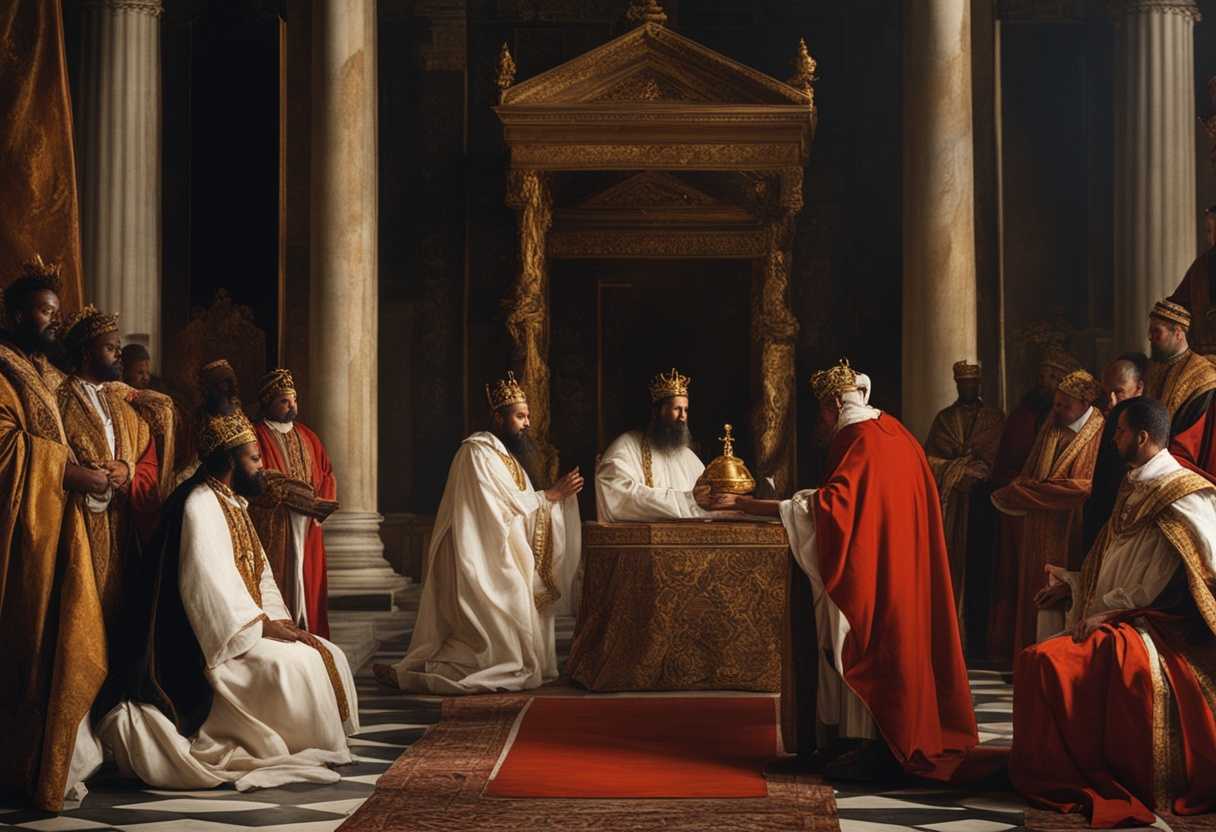
What does 2 Chronicles 29:20-24 really mean?
2 Chronicles 29:20-24 is about King Hezekiah reinstating the Levites and priests to cleanse and rededicate the temple, symbolizing the restoration of true worship and holiness in the presence of God. 20 Then Hezekiah the king rose early and gathered the officials of the city and went up to the house of the Lord. 21…
-

What does 2 Chronicles 31:1-8 really mean?
2 Chronicles 31:1-8 is about King Hezekiah’s restoration of proper worship and obedience to God through the reestablishment of the Levitical priesthood, the removal of idolatrous practices, and the faithful contributions of the people for the support of the temple and its services, emphasizing the importance of honoring God with one’s resources and obedience. 1…