
Category: 2 Kings
-

What does 2 Kings 8:7-15 really mean?
2 Kings 8:7-15 is about the story of Elisha foretelling the rise and reign of Hazael as king of Aram, the prophecy of the Israelite king’s cruelty towards the people, and the eventual downfall of his kingdom due to his oppressive rule and lack of devotion to God. 7 Now Elisha came to Damascus. Ben-hadad…
-
What does 2 Kings 5:10-14 really mean?
2 Kings 5:10-14 is about Naaman, a powerful Syrian military commander, being humbled and healed of his leprosy through following the prophet Elisha’s simple instructions to dip himself seven times in the Jordan River, illustrating the importance of humility, faith, and obedience in receiving blessings and healing from God. 10 And Elisha sent a messenger…
-
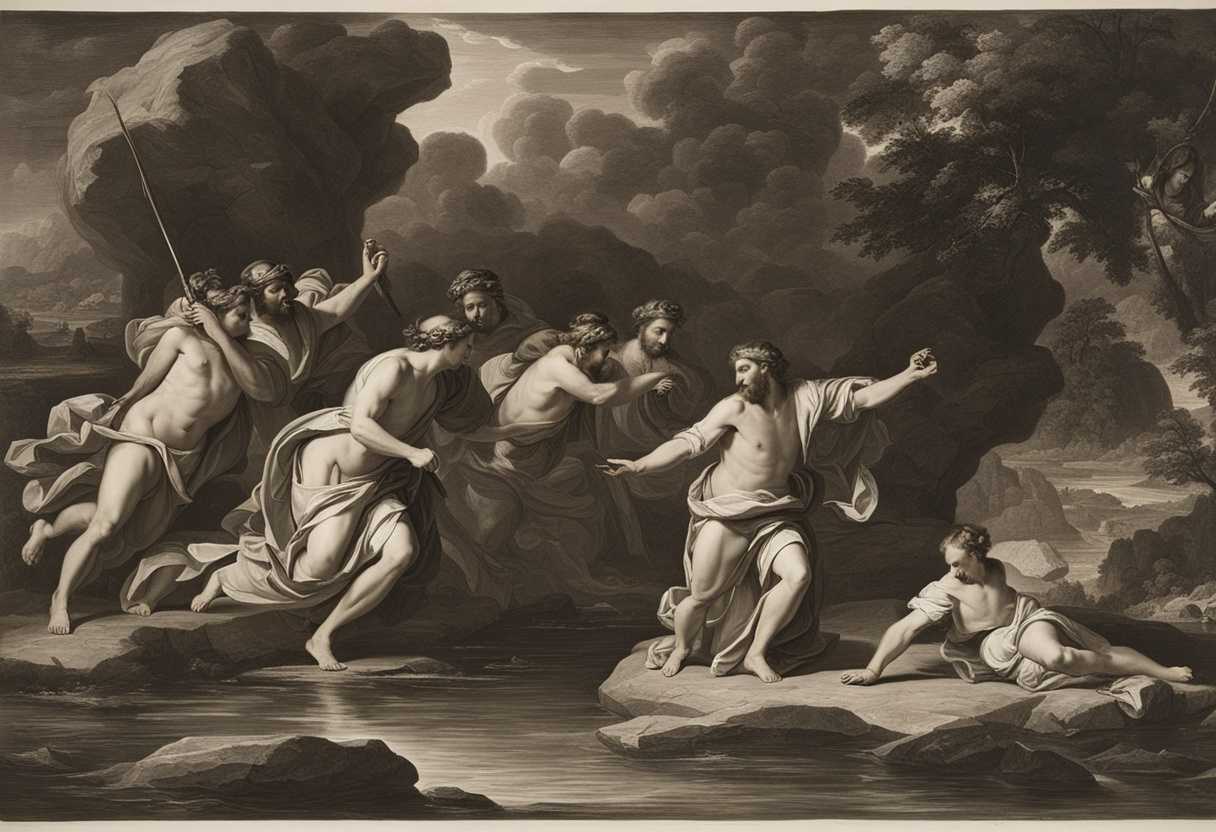
What does 2 Kings 2:13-15 really mean?
2 Kings 2:13-15 is about the passing of the spiritual mantle from Elijah to Elisha, symbolizing the transfer of spiritual power and authority from one generation to the next. 13 He picked up the cloak of Elijah that had fallen from him and went back and stood on the bank of the Jordan. 14 Then…
-

What does 2 Kings 22:18-20 really mean?
2 Kings 22:18-20 is about God’s promise to bring judgment upon the land of Judah due to the people’s disobedience, but also His mercy towards King Josiah for his humility and seeking after Him. 18 But to the king of Judah, who sent you to inquire of the Lord, thus shall you say to him,…
-

What does 2 Kings 24:5-7 really mean?
2 Kings 24:5-7 is about the sins of Judah reaching a point of no return, resulting in King Nebuchadnezzar of Babylon besieging Jerusalem and taking King Jehoiachin captive, fulfilling God’s judgment and punishment on the Israelites for their continued disobedience and idolatry. 5 Now the rest of the deeds of Jehoiakim and all that he…
-

What does 2 Kings 24:14-16 really mean?
2 Kings 24:14-16 is about how King Nebuchadnezzar of Babylon exiled King Jehoiachin of Judah, along with his mother, wives, officials, and the leading men of the land to Babylon as punishment for their disobedience to God, fulfilling the prophecy of the Lord’s judgment upon Judah. 14 He carried away all Jerusalem and all the…
-

What does 2 Kings 18:1-6 really mean?
2 Kings 18:1-6 is about King Hezekiah’s faithful reign over Judah, purging the land of idolatry and turning to God for guidance and protection, demonstrating the importance of wholehearted devotion to God and the destruction of false idols. 1 In the third year of Hoshea son of Elah, king of Israel, Hezekiah the son of…
-

What does 2 Kings 10:32-36 really mean?
2 Kings 10:32-36 is about the consequences of King Jehu’s failure to completely follow God’s commandments, leading to the decline of his dynasty and the fulfillment of God’s prophecy of punishment against the house of Jehu. 32 In those days the Lord began to cut off parts of Israel. 33 from the Jordan eastward, all…
-

What does 2 Kings 3:21-27 really mean?
2 Kings 3:21-27 is about how God provided victory for the Israelites over the Moabites through a clever military strategy and the power of prophetic intervention. 21 And when all the Moabites heard that the kings had come up to fight against them, all who were able to put on armor, from the youngest to…
-

What does 2 Kings 5:20-24 really mean?
2 Kings 5:20-24 is about the greed and deceit of Gehazi, Elisha’s servant, who sought to benefit personally from Naaman’s healing by lying to him and accepting gifts against Elisha’s wishes, leading to his eventual punishment for his dishonesty. 20 But Gehazi, the servant of Elisha the man of God, said, “See, my master has…