
Category: 2 Kings
-
What does 2 Kings 3:2 really mean?
2 Kings 3:2 is about King Mesha of Moab rebelling against the king of Israel by refusing to pay tribute, leading to a conflict that ultimately reflects themes of power struggles and the consequences of disobedience to God. 2 He did what was evil in the sight of the Lord, though not like his father…
-

What does 2 Kings 9:13 really mean?
2 Kings 9:13 is about the swift and secretive anointing of Jehu as king of Israel, symbolizing God’s judgment and the end of the rule of the wicked. 13 Then in haste every man of them took his garment and put it under him on the bare steps, and they blew the trumpet and proclaimed,…
-

2 Kings 9 Explained – Verse by Verse Commentary
1 Then Elisha the prophet called one of the sons of the prophets and said to him, “Tie up your garments, and take this flask of oil in your hand, and go to Ramoth-gilead. 2 And when you arrive, look there for Jehu the son of Jehoshaphat, son of Nimshi. And go in and have…
-
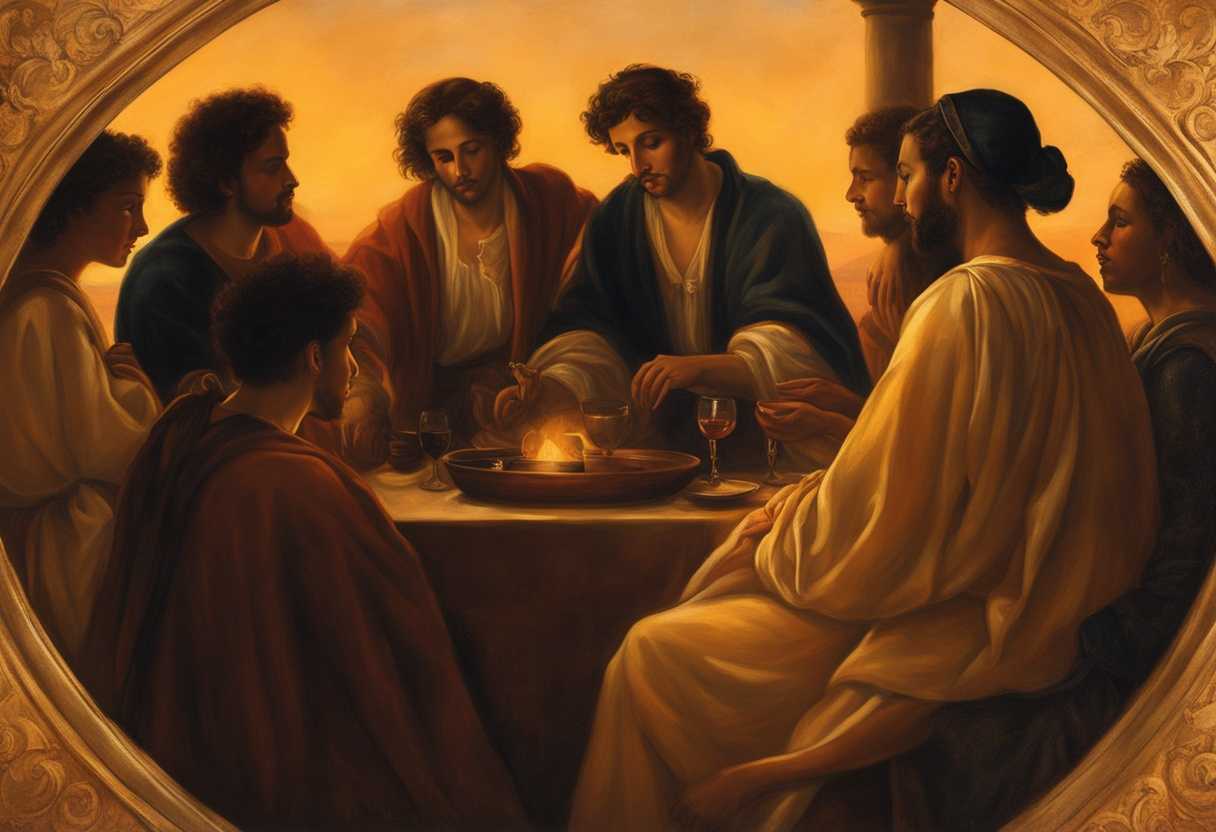
What does 2 Kings 1:7 really mean?
2 Kings 1:7 is about seeking divine guidance and recognizing the authority and power of God in times of trouble. 7 He said to them, “What kind of man was he who came to meet you and told you these things?” Setting the Scene for 2 Kings 1:7 In 2 Kings chapter 1, we find…
-

What does 2 Kings 2:11 really mean?
2 Kings 2:11 is about the moment when the prophet Elijah was taken up to heaven in a whirlwind, symbolizing his transition from earthly existence to divine presence. 11 And as they still went on and talked, behold, chariots of fire and horses of fire separated the two of them. And Elijah went up by…
-

What does 2 Kings 2:22 really mean?
2 Kings 2:22 is about the prophet Elisha purifying contaminated water by throwing salt into it, symbolizing God’s power to cleanse and renew that which is impure. 22 So the waters have been healed to this day, according to the word that Elisha spoke. Setting the Scene for 2 Kings 2:22 In 2 Kings chapter…
-
What does 2 Kings 18:27 really mean?
2 Kings 18:27 is about an exchange between Assyrian officials and the people of Judah, illustrating the dehumanizing effects of power dynamics and the hardships faced by those under oppressive rulers. 27 But the Rabshakeh said to them, “Has my master sent me to speak these words to your master and to you, and not…
-

What does 2 Kings 24:2 really mean?
2 Kings 24:2 is about the consequences of King Jehoiakim’s evil deeds leading to the downfall of Judah under Babylonian rule. 2 And the Lord sent against him bands of the Chaldeans and bands of the Syrians and bands of the Moabites and bands of the Ammonites, and sent them against Judah to destroy it,…
-
What does 2 Kings 14:14 really mean?
2 Kings 14:14 is about King Amaziah of Judah asserting his royal authority over Edom by conquering their territory after defeating them in battle. 14 He took all the gold and silver, and all the vessels that were found in the house of the Lord and in the treasuries of the king’s house, also hostages,…
-

What does 2 Kings 9:30 really mean?
2 Kings 9:30 is about the downfall of Jezebel, emphasizing the consequences of wickedness and the importance of obedience to God’s commandments. 30 When Jehu came to Jezreel, Jezebel heard of it. And she painted her eyes and adorned her head and looked out of the window. Setting the Scene for 2 Kings 9:30 In…