
Category: Deuteronomy
-

What does Deuteronomy 3:14 really mean?
Deuteronomy 3:14 is about the division of land, specifically the allocation of the territory of Jair, son of Manasseh, emphasizing the fulfillment of God’s promises to the Israelites regarding their inheritance in the Promised Land. 14 Jair the Manassite took all the region of Argob, that is, Bashan, as far as the border of the…
-

What does Deuteronomy 31:19-21 really mean?
Deuteronomy 31:19-21 is about God’s instruction to Moses to write a song that will serve as a testimony against the Israelites, reminding them of the covenant and the consequences of their disobedience, highlighting His awareness of their future unfaithfulness and the importance of remembering their identity and obligations to Him. 19 “Now therefore write this…
-
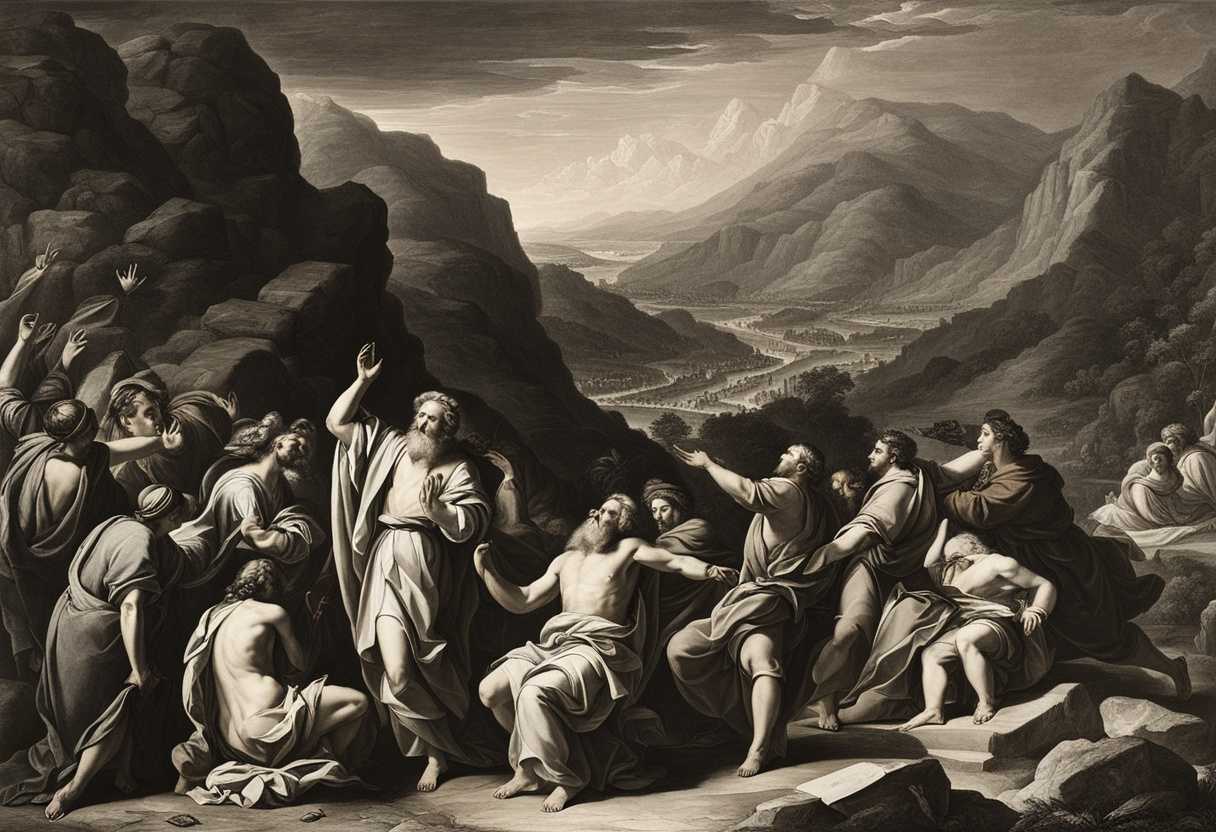
What does Deuteronomy 9:16-21 really mean?
Deuteronomy 9:16-21 is about the Lord reminding the Israelites of their stubbornness and rebellion against Him, highlighting Moses’ plea for mercy on their behalf and recounting the consequences of their idolatry, emphasizing the need for humility and dependence on God’s grace. 16 And I looked, and behold, you had sinned against the Lord your God.…
-
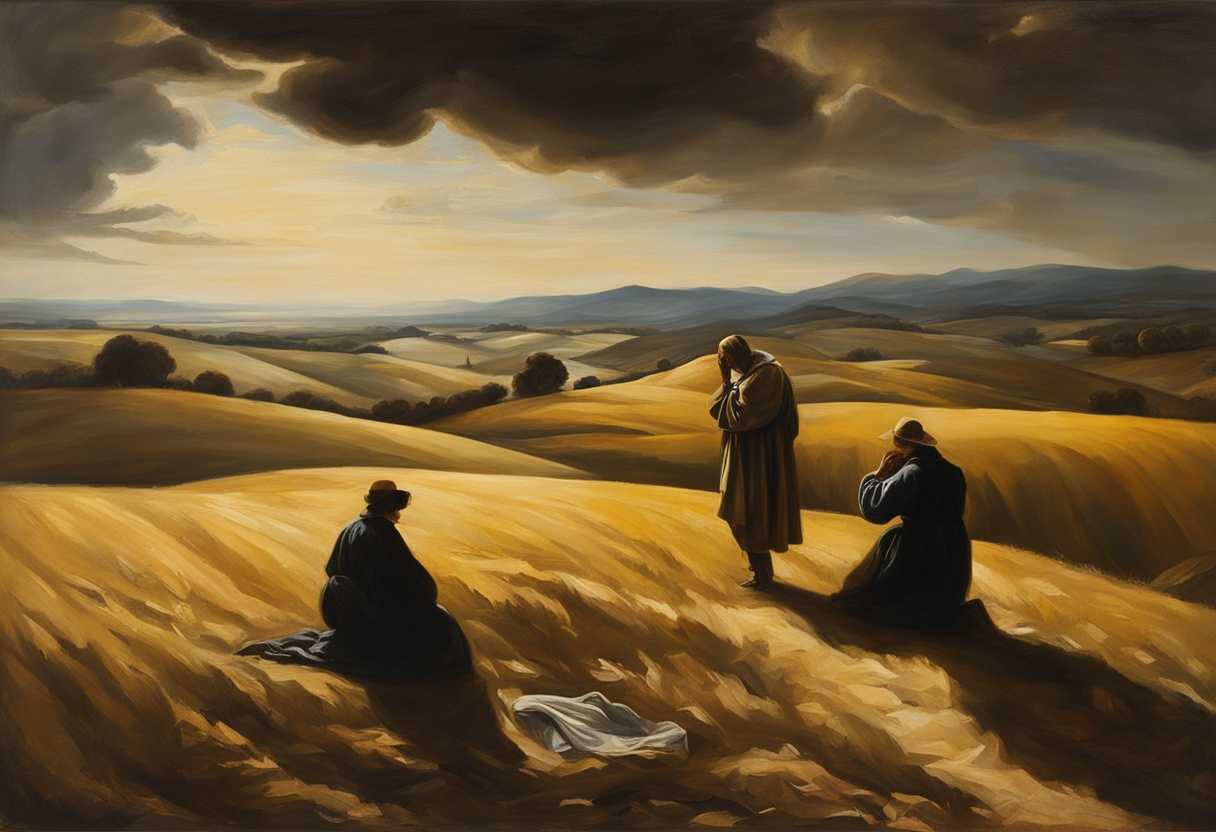
What does Deuteronomy 27-28 really mean?
Deuteronomy 27-28 is about the proclamation of blessings for obedience and curses for disobedience to God’s commandments, emphasizing the covenant relationship between God and Israel and the consequences of their choices. 1 Now Moses and the elders of Israel commanded the people, saying, “Keep the whole commandment that I command you today. 2 And on…
-

What does Deuteronomy 11:6 really mean?
Deuteronomy 11:6 is about the importance of remembering and passing down the experiences and teachings of the faithful ancestors, particularly the events related to God’s mighty acts and covenant, to ensure that the next generations remain steadfast in their loyalty and commitment to God. 6 and what he did to Dathan and Abiram the sons…
-

What does Deuteronomy 28:38-40 really mean?
Deuteronomy 28:38-40 is about the consequences of disobedience to God’s commandments, highlighting how the Israelites will face agricultural hardships and loss, symbolizing their estrangement from God’s blessings and the repercussions of straying from divine guidance. 38 “You shall carry much seed into the field and shall gather in little, for the locust shall consume it.”…
-

What does Deuteronomy 12:3-4 really mean?
Deuteronomy 12:3-4 is about the command to destroy the places of idol worship in the Promised Land, emphasizing the importance of exclusive devotion to the true God and warning against the adoption of foreign practices. 3 You shall tear down their altars and dash in pieces their pillars and burn their Asherim with fire. You…
-

What does Deuteronomy 28:47-48 really mean?
Deuteronomy 28:47-48 is about the consequences of failing to serve God with joy and gladness, indicating that such disobedience will lead to oppression and suffering, ultimately portraying the importance of grateful worship as a foundation for blessings and well-being. 47 Because you did not serve the Lord your God with joyfulness and gladness of heart,…
-

What does Deuteronomy 5:23-27 really mean?
Deuteronomy 5:23-27 is about the people’s fear of God’s powerful presence at Mount Sinai, acknowledging their inability to endure His voice and majesty, and expressing a desire for Moses to mediate between them and God, highlighting themes of reverence, the importance of divine mediation, and the perilous nature of encountering the Holy. 23 And as…
-

What does Deuteronomy 12:5-14 really mean?
Deuteronomy 12:5-14 is about the directive for the Israelites to centralize their worship in the place appointed by God, highlighting the importance of fidelity to divine instructions in communal religious practice and the rejection of pagan rituals. 5 But you shall seek the place that the Lord your God will choose out of all your…