
Category: Genesis
-

What does Genesis 41:51-52 really mean?
Genesis 41:51-52 is about Joseph naming his firstborn son Manasseh, meaning “God has made me forget all my hardship and all my father’s household,” and his second son Ephraim, meaning “God has made me fruitful in the land of my affliction,” symbolizing Joseph’s journey from suffering to abundance and his gratitude towards God for the…
-

What does Genesis 48:5-6 really mean?
Genesis 48:5-6 is about Jacob formally adopting Joseph’s two sons, Ephraim and Manasseh, as his own heirs, symbolizing the continuation of God’s covenant and blessings through future generations and highlighting the significance of familial bonds in the faith journey. 5 And now your two sons, who were born to you in the land of Egypt…
-

What does Genesis 6-7 really mean?
Genesis 6-7 is about the divine judgment brought upon humanity due to its wickedness, exemplified through the story of Noah and the Ark, illustrating themes of sin, divine mercy, and the promise of renewal through a faithful remnant. 5 The Lord saw that the wickedness of man was great in the earth, and that every…
-
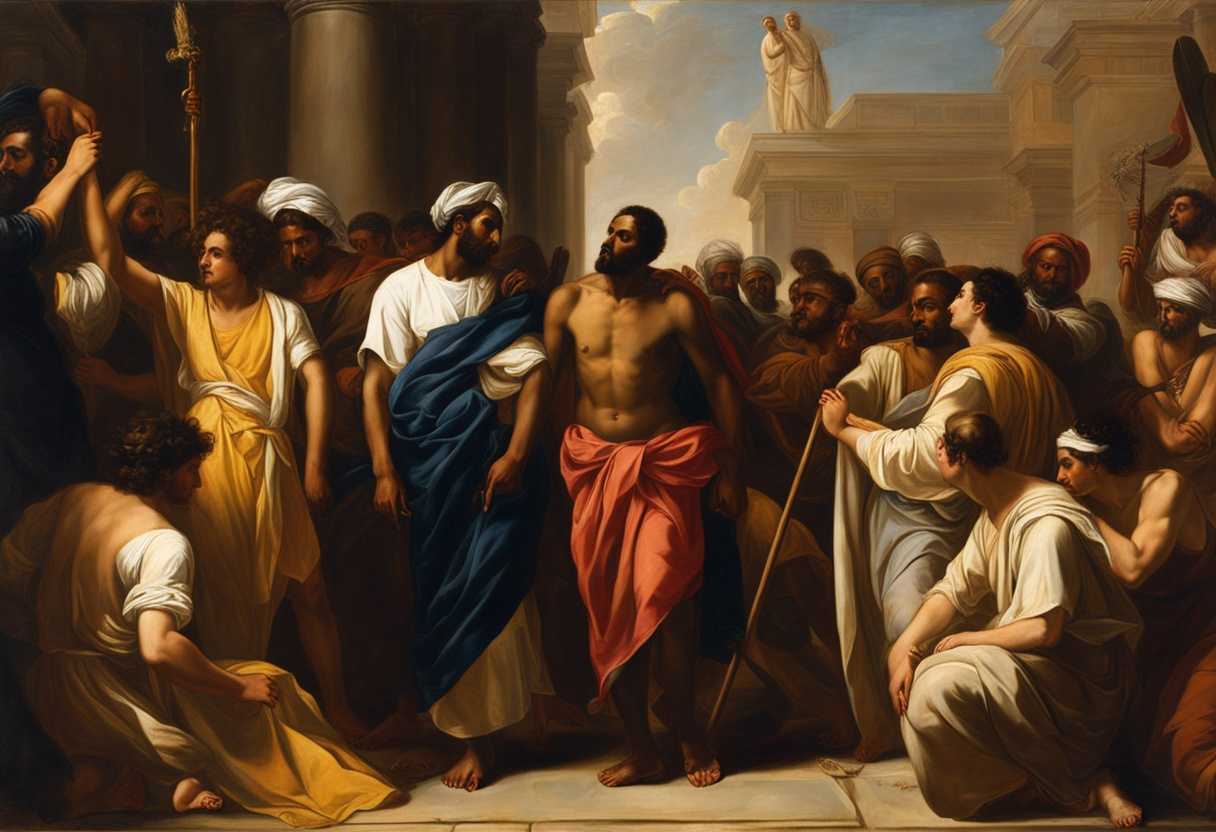
What does Genesis 39-41 really mean?
Genesis 39-41 is about Joseph’s journey from being sold into slavery to becoming a powerful ruler in Egypt, showcasing how God can turn trials into triumphs through faith and resilience. 1 Now Joseph had been brought down to Egypt, and Potiphar, an officer of Pharaoh, the captain of the guard, an Egyptian, had bought him…
-
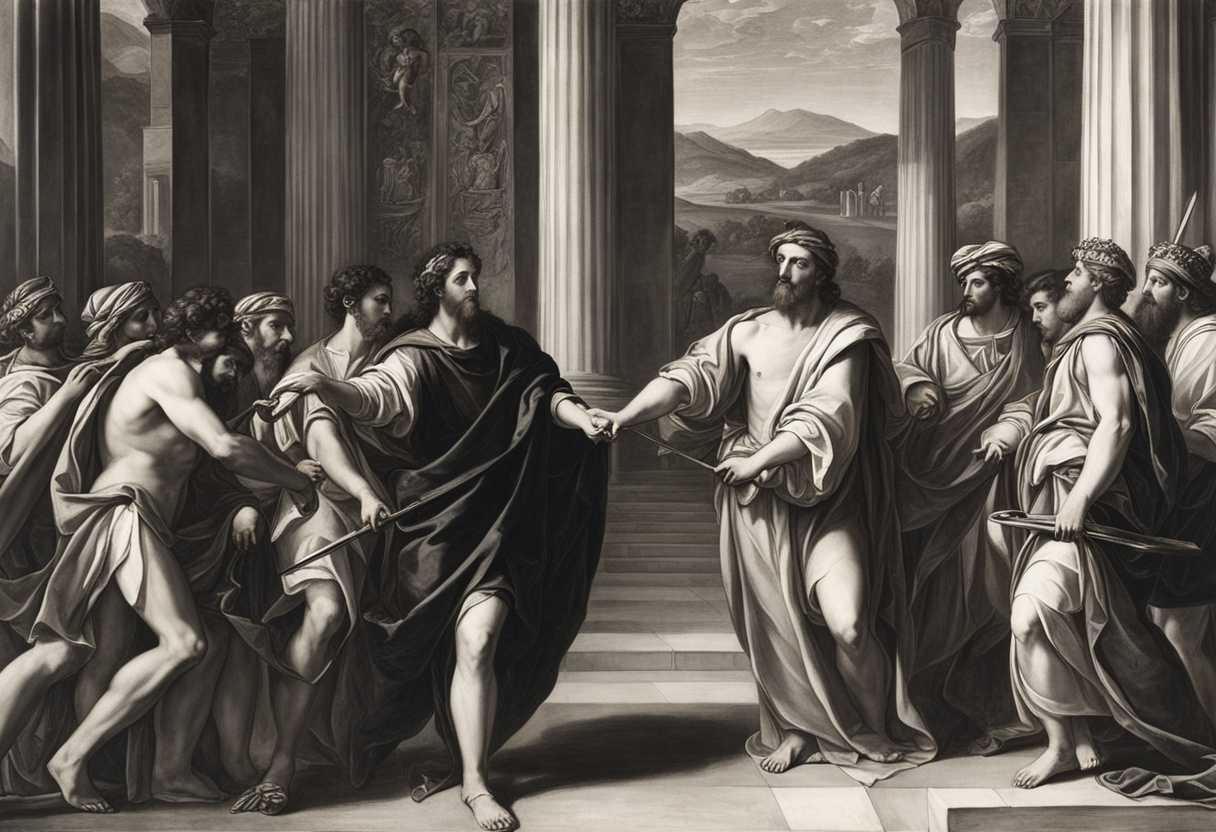
What does Genesis 23:16-18 really mean?
Genesis 23:16-18 is about Abraham purchasing a burial plot for his wife Sarah from the Hittites, demonstrating the importance of honoring the deceased with a proper resting place and showing respect for the customs and traditions of the people among whom one dwells. 16 Abraham listened to Ephron, and Abraham weighed out for Ephron the…
-

What does Genesis 35:16-18 really mean?
Genesis 35:16-18 is about the birth of Benjamin, the youngest son of Jacob and Rachel, occurring during a time of tragedy as Rachel died giving birth to him, signifying the bittersweet nature of new life coming from death. 16 Then they journeyed from Bethel. When they were still some distance from Ephrath, Rachel went into…
-

What does Genesis 42:1-2 really mean?
Genesis 42:1-2 is about the famine in the land forcing Jacob’s sons to go to Egypt to buy grain, fulfilling Joseph’s dreams of his brothers bowing down to him. 1 When Jacob learned that there was grain for sale in Egypt, he said to his sons, “Why do you look at one another?” 2 And…
-
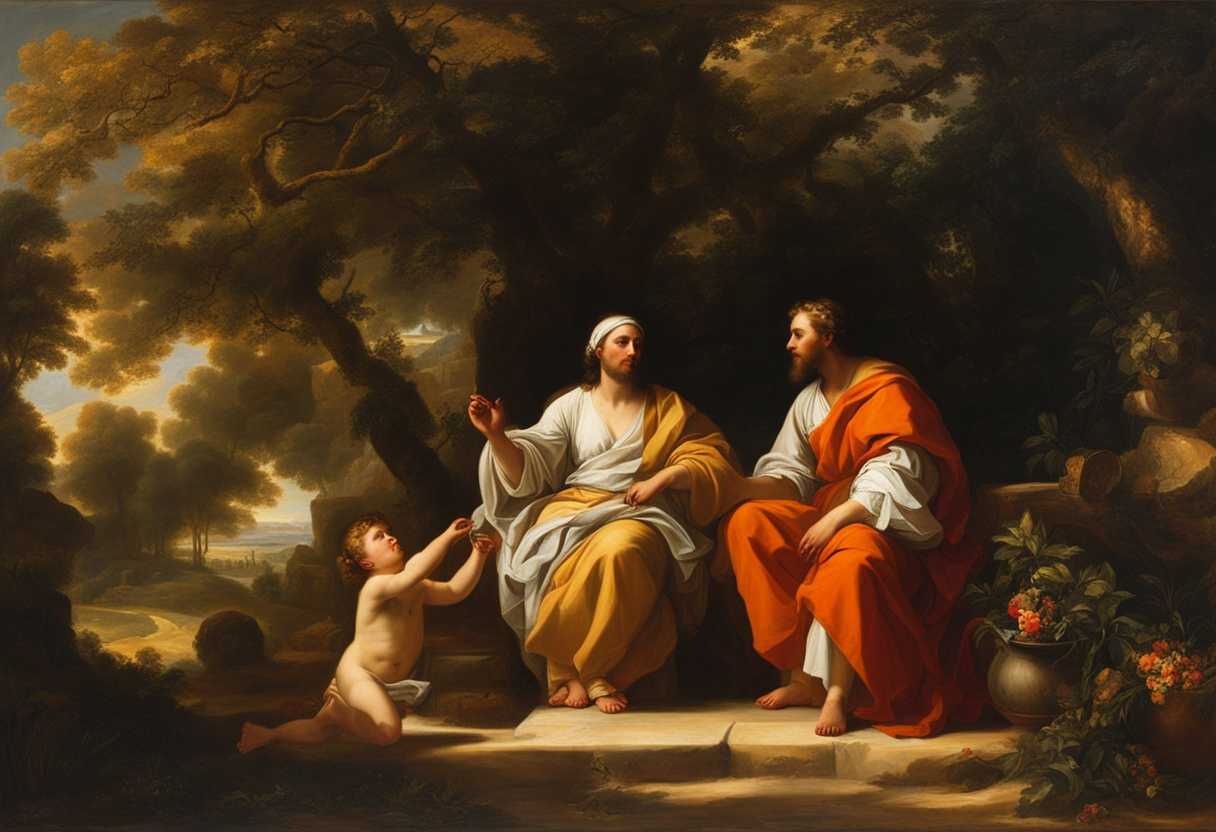
What does Genesis 49:13-15 really mean?
Genesis 49:13-15 is about the prophetic blessings Jacob gives to his son Zebulun, highlighting his future role as a seafaring tribe that will thrive through trade and commerce, while also reflecting themes of strength, adaptability, and the importance of embracing one’s destiny in a diverse and challenging environment. 13 “Zebulun shall dwell at the shore…
-

What does Genesis 29-30 really mean?
Genesis 29-30 is about the complex family dynamics and relationships surrounding Jacob’s marriages to Leah and Rachel, highlighting themes of envy, competition, and ultimately God’s providence in fulfilling His promises. 29 Then Jacob went on his journey and came to the land of the people of the east. 2 He looked, and behold, there was…
-

What does Genesis 24:10-27 really mean?
Genesis 24:10-27 is about the faithful servant of Abraham who relied on divine guidance to find a bride for Isaac, illustrating the importance of trust and prayer in seeking God’s will in important decisions. 10 Then the servant took ten of his master’s camels and departed, taking all sorts of choice gifts from his master;…