
Category: Bible Meaning
-

What does Jeremiah 7:9-11 really mean?
Jeremiah 7:9-11 is about the condemnation of hypocritical worship and the false sense of security the people of Israel have in their religious practices, as God questions how they can engage in sin while still expecting Him to accept their offerings and sacrifices. 9 Will you steal, murder, commit adultery, swear falsely, make offerings to…
-

What does Job 21:7-15 really mean?
Job 21:7-15 is about Job’s struggle with the apparent prosperity of the wicked and his questioning of the justice of God, as he challenges traditional beliefs regarding retribution and argues that the ungodly often thrive without consequence, thus highlighting the complexities of faith and divine justice. 7 Why do the wicked live, reach old age,…
-

What does Revelation 7:6 really mean?
Revelation 7:6 is about the divine selection and protection of a remnant of God’s people, illustrating the significance of their ethnicity and their faithful standing in the face of tribulation, emphasizing God’s sovereignty and care for His chosen ones. 6 from the tribe of Asher 12,000 were sealed, from the tribe of Naphtali 12,000 were…
-

What does Romans 9:11-12 really mean?
Romans 9:11-12 is about the divine sovereignty and purpose in God’s election, emphasizing that His choice is not based on human actions or merits, but rather on His own will and promise as exemplified through the example of Jacob and Esau. 11 though they were not yet born and had done nothing either good or…
-

What does Deuteronomy 6:21-23 really mean?
Deuteronomy 6:21-23 is about the importance of teaching future generations about God’s deliverance from Egypt, emphasizing the need to remember and communicate the history of divine intervention and the laws given, thereby reinforcing faith and obedience among the community. 21 then you shall say to your son, ‘We were Pharaoh’s slaves in Egypt. And the…
-

What does Genesis 40-41 really mean?
Genesis 40-41 is about the rise of Joseph from prison to becoming the second-in-command of Egypt under Pharaoh, illustrating divine providence, forgiveness, and the fulfillment of dreams. 1 Some time after this, the cupbearer of the king of Egypt and his baker committed an offense against their lord the king of Egypt. 2 And Pharaoh…
-

What does Genesis 1-2 really mean?
Genesis 1-2 is about the creation of the world and humanity by God, emphasizing the divinely ordained order, purpose, and stewardship of all living beings. 1 In the beginning, God created the heavens and the earth. 2 The earth was without form and void, and darkness was over the face of the deep. And the…
-

What does 1 Kings 1-2 really mean?
1 Kings 1-2 is about the transition of power from King David to his son Solomon, highlighting the importance of wisdom, obedience, and God’s appointed leadership. 1 Now King David was old and advanced in years. And although they covered him with clothes, he could not get warm. 2 So his servants said to him,…
-
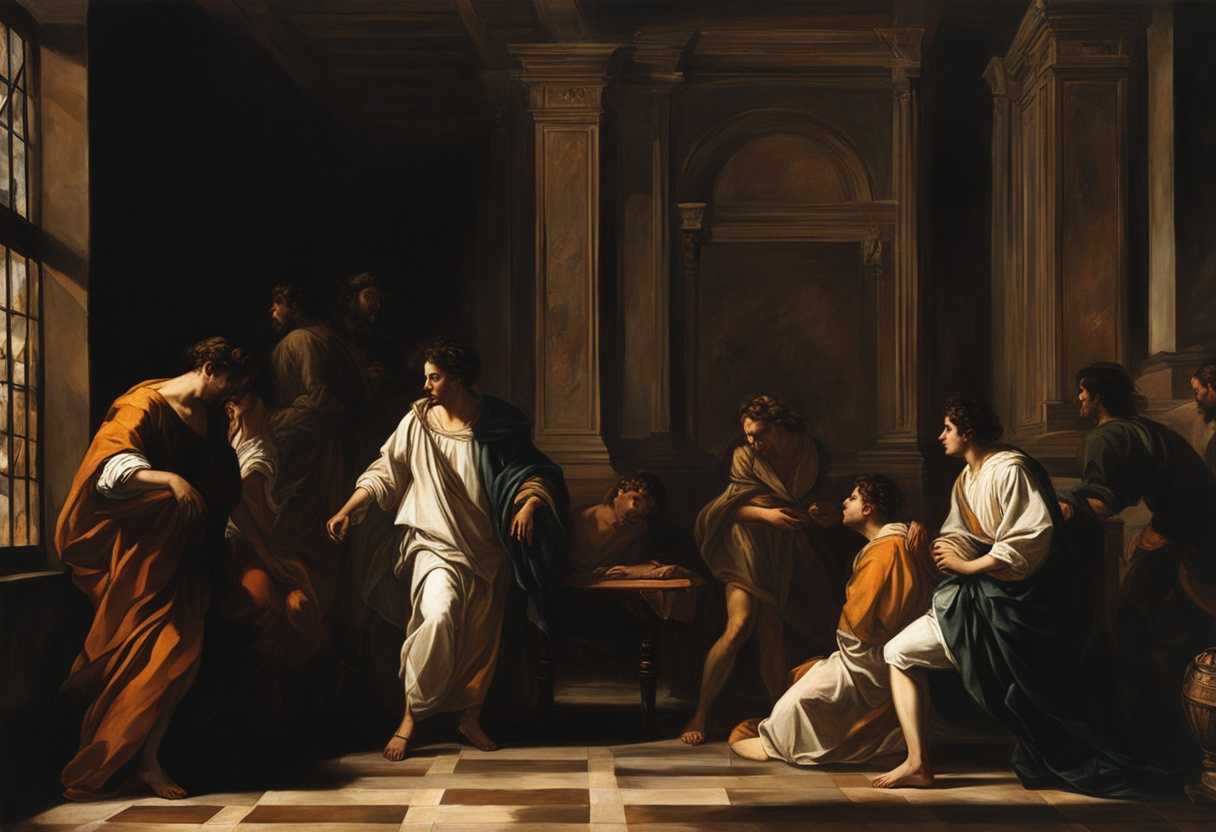
What does Genesis 42:9, 13 really mean?
Genesis 42:9, 13 is about Joseph recognizing his brothers who had sold him into slavery, testing their integrity and repentance, and ultimately showing forgiveness and grace, portraying themes of reconciliation, redemption, and the mysterious ways in which God works for good even in the midst of betrayal and hardship. 9 And Joseph remembered the dreams…
-

What does Isaiah 36-37 really mean?
Isaiah 36-37 is about the Assyrian threat against Jerusalem and King Hezekiah’s reliance on God for deliverance, illustrating the themes of faith, divine intervention, and the power of prayer in times of crisis. 1 In the fourteenth year of King Hezekiah, Sennacherib king of Assyria came up against all the fortified cities of Judah and…