
Category: Concepts and Abstract Ideas
-

What the Bible Says About Being Shrewd
In the Bible, shrewdness refers to astute or wise behavior, often linked to prudence and discernment in making decisions (Proverbs 22:3). It can also denote cleverness in navigating complex situations, sometimes with a connotation of deception or tactical savvy. Scripture 1 The proverbs of Solomon, son of David, king of Israel: 2 To know wisdom…
-

What the Bible Says About Stature
In the Bible, “stature” often refers to a person’s physical height or presence, but it can also symbolize spiritual or moral development, as seen in Luke 2:52, where Jesus grows in wisdom and favor with God and man. The term signifies both physical attributes and the growth of character or virtue. Scripture 7 But the…
-

What the Bible Says About “Peradventure”
In the Bible, “peradventure” means possibly or perhaps, suggesting a sense of uncertainty or doubt. It is often used to express a hypothetical situation or an outcome that is not guaranteed. Scripture 24 Suppose there are fifty righteous within the city. Will you then sweep away the place and not spare it for the fifty…
-

What the Bible Says About the Meaning of Husbandman
In the Bible, a “husbandman” refers to a farmer or cultivator of the land, often tasked with tending to agricultural crops and animals. This term is used in various scriptures, such as John 15:1, where Jesus describes Himself as the true vine and God as the husbandman who cares for His creation. Scripture 15 The…
-

What the Bible Says About Vile Behavior
In the Bible, “vile” generally refers to something that is morally despicable or extremely unpleasant. The term is often associated with sinfulness and contemptible behavior, indicating a strong disapproval of actions or attitudes that stand in opposition to God’s standards of righteousness. Scripture 7 And said, “Please, my brothers, do not act so wickedly. 8…
-

What the Bible Says About Comely: Definition and Meaning
In the Bible, “comely” refers to being attractive or pleasing in appearance, often associated with beauty and dignity. It conveys a sense of grace and suitability, particularly in relation to God’s creation and His people (e.g., Psalms 27:4). Scripture 5 I am very dark, but lovely, O daughters of Jerusalem, like the tents of Kedar,…
-

What the Bible Says About Intimacy
In the Bible, intimacy is often understood as a deep, personal connection characterized by love, trust, and vulnerability, particularly exemplified in the relationship between God and believers, as well as between spouses (Genesis 2:24; Ephesians 5:31-32). It encompasses both physical and spiritual closeness, emphasizing the importance of unity and commitment in relationships. Scripture 24 Therefore…
-

What the Bible Says About Exasperation
In the Bible, to exasperate means to provoke or irritate someone to the point of frustration. For example, Ephesians 6:4 advises fathers not to exasperate their children, emphasizing the importance of nurturing and encouraging rather than provoking them to anger. Scripture 4 Fathers, do not provoke your children to anger, but bring them up in…
-

What the Bible Says About the Meaning of Pillars
In the Bible, pillars often symbolize strength, stability, and support, representing God’s presence and authority. They can also signify important people or foundational truths in communities of faith, such as the apostles described as pillars of the Church (Galatians 2:9). Scripture 21 And the Lord went before them by day in a pillar of cloud…
-
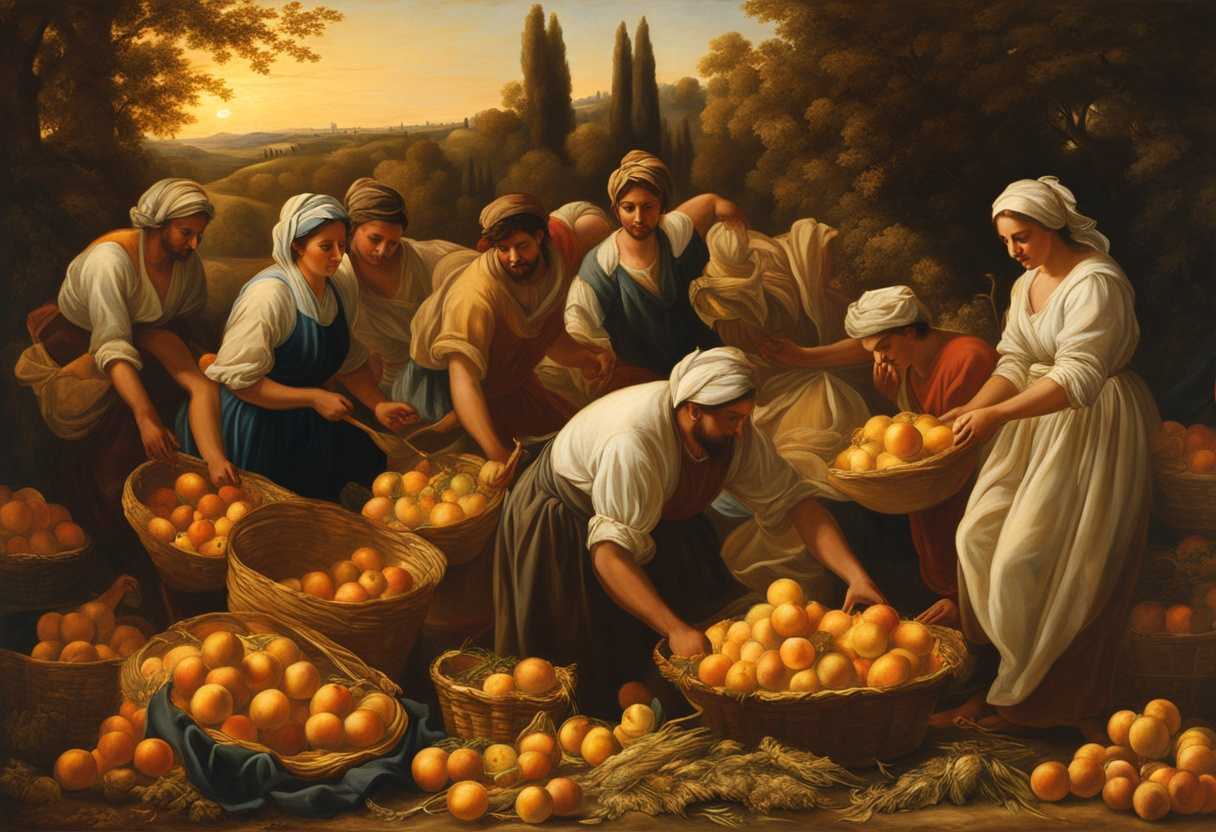
What the Bible Says About Reaping: A Definition and Insight
In the Bible, “reap” refers to the act of gathering in a harvest, symbolizing the process of receiving the results of one’s actions or efforts. It is often associated with sowing and reaping, illustrating the principle that one will harvest what they have planted, both in agricultural and spiritual terms, as seen in Galatians 6:7.…