
Category: Concepts and Abstract Ideas
-
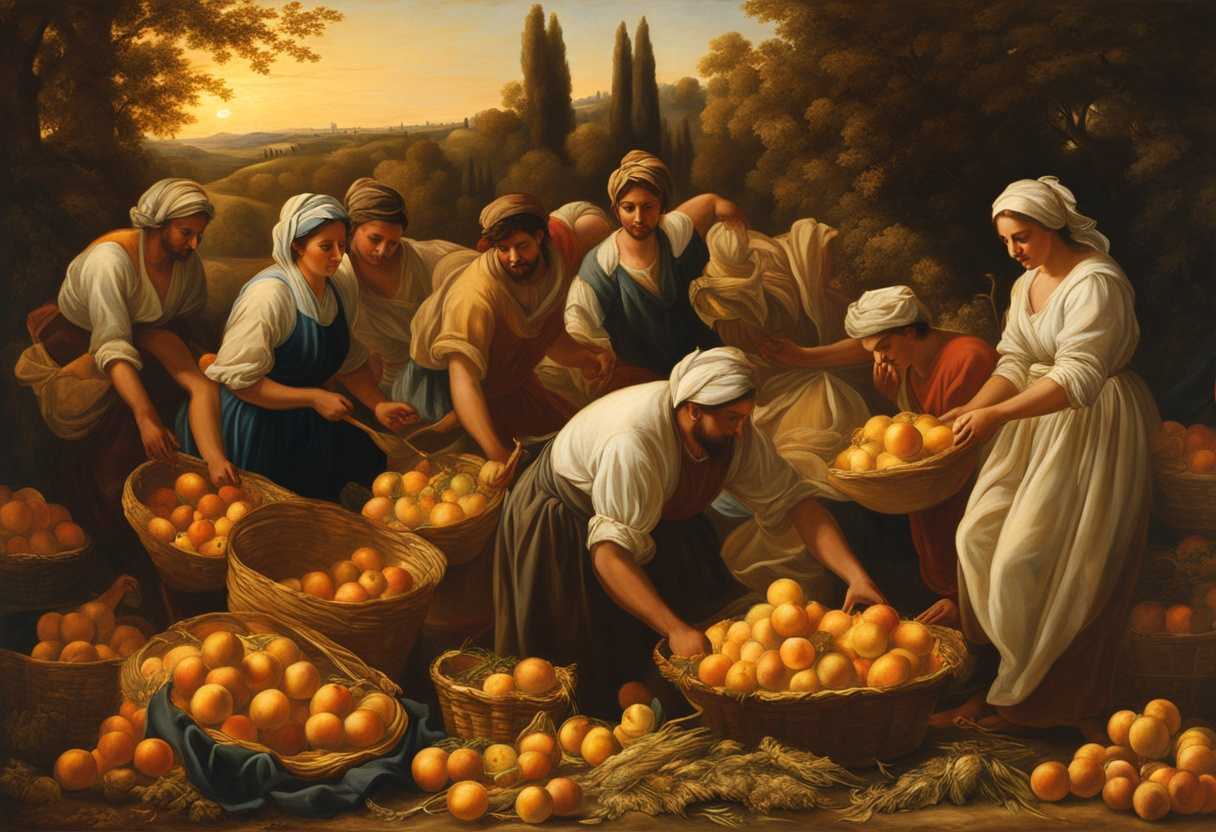
What the Bible Says About Reaping: A Definition and Insight
In the Bible, “reap” refers to the act of gathering in a harvest, symbolizing the process of receiving the results of one’s actions or efforts. It is often associated with sowing and reaping, illustrating the principle that one will harvest what they have planted, both in agricultural and spiritual terms, as seen in Galatians 6:7.…
-

What the Bible Says About Discourse: Understanding Communication in Scripture
In the Bible, discourse refers to the formal and structured communication of ideas, teachings, or narratives, often found in the teachings of Jesus or the epistles of Paul. It encompasses both spoken and written exchanges that convey theological truths and guide moral conduct. Scripture 1 Now the whole earth had one language and the same…
-

What the Bible Says About Verdant Life
In the Bible, “verdant” describes lush, green vegetation or flourishing plant life, symbolizing abundance, vitality, and God’s provision. It often conveys the idea of life and fertility, as seen in passages referring to green pastures or flourishing landscapes that reflect divine blessings. Scripture 11 And God said, “Let the earth sprout vegetation, plants yielding seed,…
-
What the Bible Says About the Meaning of Equipping
In the Bible, “equipping” refers to the process of preparing and providing individuals with the necessary tools, skills, and spiritual gifts to fulfill their God-given roles and responsibilities, as seen in Ephesians 4:12, which emphasizes the purpose of church leaders to equip the saints for ministry. It underscores the idea of spiritual maturity and readiness…
-

What the Bible Says About Reckless Behavior
In the Bible, “reckless” often refers to a lack of caution or consideration for the consequences of one’s actions, as seen in Proverbs 14:16, which warns that a wise person is cautious and turns away from evil, while a fool is reckless and careless. The term underscores the importance of wisdom and prudence in decision-making.…
-

What the Bible Says About the Meaning of Metals
In the Bible, metals often symbolize value, strength, and purity, with gold representing divine glory and righteousness, silver signifying redemption and value, and bronze associated with judgment and endurance. Additionally, the construction of the Tabernacle and the temple utilized various metals, underscoring their importance in worship and God’s presence. Scripture 10 A river flowed out…
-

What the Bible Says About the Meaning of Coal
In the Bible, coal is often associated with purification and judgment. For instance, in Isaiah 6:6-7, a coal from the altar touches the prophet’s lips, symbolizing the cleansing of sin and preparation for God’s service. Scripture 5 And I said: “Woe is me! For I am lost; for I am a man of unclean lips,…
-

What the Bible Says About “In the Cool of the Day”
“In the cool of the day” refers to a time of day characterized by a gentle, refreshing atmosphere, often described in Genesis 3:8 when God walks in the garden of Eden. It signifies a time of communion and closeness between God and humanity before the Fall. Scripture 8 And they heard the sound of the…
-

What the Bible Says About the Power of One Man’s Faith
The phrase “Bible in the hand of one man” can symbolize the individual authority and responsibility one has in interpreting and applying Scripture. It reflects the belief that personal engagement with the Bible is essential for spiritual growth and understanding. Scripture 16 All Scripture is breathed out by God and profitable for teaching, for reproof,…
-

What the Bible Says About the Universe: A Definition and Exploration
The Bible does not explicitly define “universe” in modern terms, but it describes creation as everything that exists outside of God, including the heavens and the earth, as stated in Genesis 1:1: “In the beginning, God created the heavens and the earth.” This encompasses all celestial bodies and the physical realm. Scripture 1 In the…