
Category: Doctrines and Beliefs
-

What the Bible Says About Pharmakeia: Understanding Its Definition and Implications
In the Bible, “pharmakeia” (from the Greek word often translated as “sorcery” or “witchcraft”) refers to the use of potions, drugs, or enchantments, often associated with idolatry and practices contrary to God’s teachings. It appears in Galatians 5:20, where it is listed among the works of the flesh, signifying its negative connotation and moral implications.…
-

What the Bible Says About Corruption: A Definition and Understanding
In the Bible, “corrupt” typically refers to moral decay or the act of perverting one’s integrity, often associated with sinfulness and wrongdoing (e.g., Genesis 6:11-12). It signifies a state where one strays from righteousness and truth, leading to spiritual and social decay. Scripture 11 Now the earth was corrupt in God’s sight, and the earth…
-

What the Bible Says About the Meaning of Beards
In the Bible, beards symbolize maturity, wisdom, and honor. They are often associated with cultural identity and the duties of manhood; for instance, Leviticus 19:27 commands not to shave the corners of the beard, reflecting a covenantal and cultural importance in ancient Israel. Scripture 27 You shall not round off the hair on your temples…
-

What the Bible Says About 70 Times 7: Forgiveness and Grace
In the Bible, “70 times 7” refers to the teaching of unlimited forgiveness, as mentioned in Matthew 18:21-22, where Jesus tells Peter to forgive not just seven times, but 77 times (or 70 times 7 in some translations). This emphasizes that there should be no limits to the forgiveness one extends to others. Scripture 23…
-

What the Bible Says About the House of David
The House of David refers to the royal lineage and dynasty descending from King David, symbolizing God’s covenant with him to establish an everlasting kingdom (2 Samuel 7:16). It represents both the physical lineage of David’s descendants and the spiritual heritage of Jesus Christ, who is often called the Son of David in the New…
-

What the Bible Says About Fidelity: A Divine Definition
In the Bible, fidelity refers to faithfulness and loyalty, particularly in relationships. It emphasizes the commitment to uphold promises, such as the covenant between God and His people, and is often exemplified in the context of marriage, where it signifies exclusivity and devotion (Hebrews 13:4). Scripture 3 Let not steadfast love and faithfulness forsake you;…
-
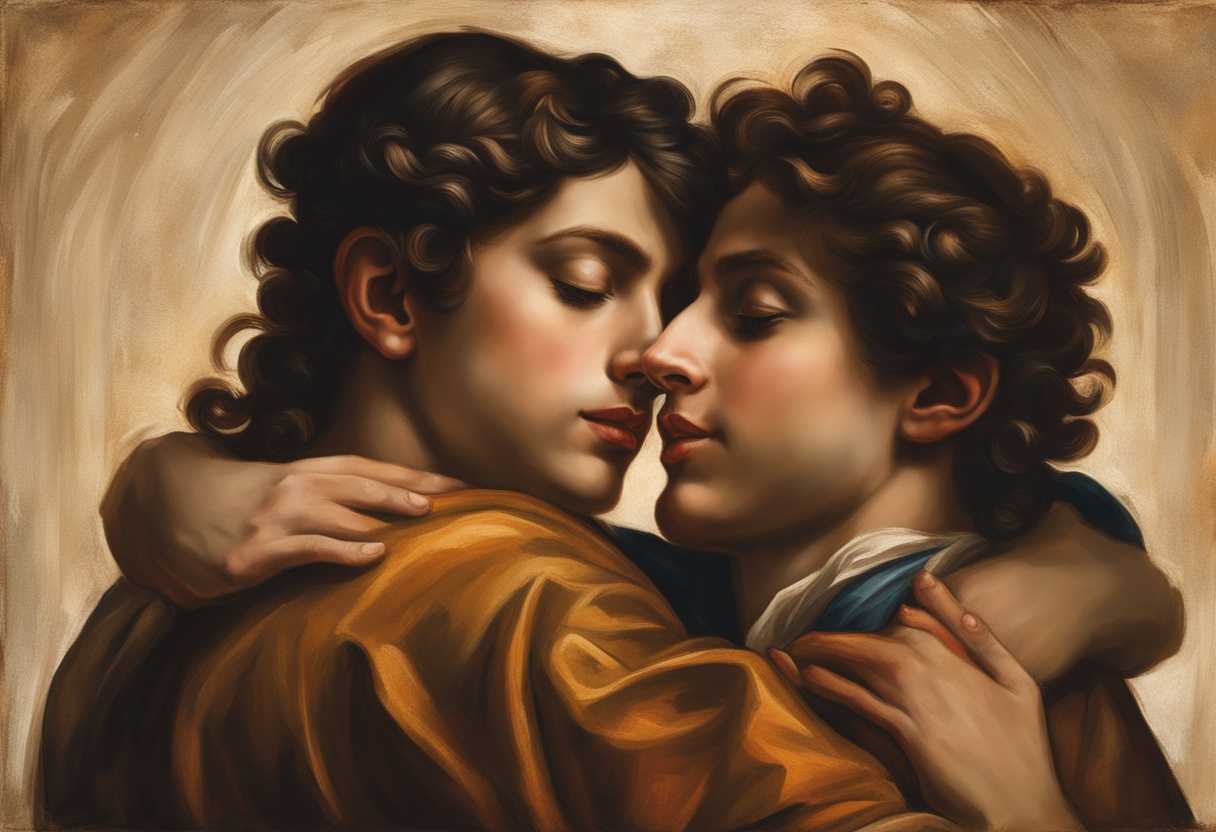
What the Bible Says About Brotherly Kindness
Brotherly kindness in the Bible refers to a deep, compassionate love and care for fellow believers, embodying mutual support and affection as seen in 2 Peter 1:7, which encourages believers to add brotherly kindness to their faith. It reflects the idea of treating others with the same love and respect that one would give to…
-

What the Bible Says About the Meaning of Historical Books
The historical books in the Bible, primarily found in the Old Testament, are a collection of texts that narrate the history of Israel from its conquest of Canaan to the return from Babylonian exile. They include books such as Joshua, Judges, Samuel, and Kings, focusing on the leadership, events, and figures that shaped the nation…
-

What the Bible Says About “Teeth Set on Edge”
The phrase “teeth set on edge” refers to a person feeling bitterness or discontent as a result of the actions or sins of others. It originates from Jeremiah 31:29-30, where it reflects the notion that individuals would bear the consequences of their own sins rather than suffering for the sins of their ancestors. Scripture 29…
-

What the Bible Says About Human Nature: A Definition and Exploration
In the Bible, human nature is often defined as being created in the image of God (Genesis 1:27), which endows humanity with inherent dignity and value. However, it also acknowledges a fallen nature due to sin (Romans 3:23), reflecting a propensity toward disobedience and separation from God. Scripture 26 Then God said, “Let us make…