
Category: Doctrines and Beliefs
-

What the Bible Says About “Spare the Rod, Spoil the Child”
The phrase “spare the rod, spoil the child” suggests that if a parent does not discipline their child, the child will grow up poorly behaved. It is often associated with Proverbs 13:24, which emphasizes the importance of corrective discipline in parenting. Scripture 24 Whoever spares the rod hates his son, but he who loves him…
-

What the Bible Says About the Meaning of the 490 Years
In the Bible, particularly in the prophetic context of Daniel 9:24-27, 490 years represents a period divided into 70 weeks of years, signifying God’s plan for the redemption of Israel and the ultimate fulfillment of divine prophecy. This timeframe encompasses significant events, including the coming of the Messiah and the restoration of Jerusalem. Scripture 24…
-

What the Bible Says About Anomia: Understanding Its Meaning and Implications
In the Bible, “anomia” refers to lawlessness or the rejection of God’s law, often associated with sin and moral decay. The term is used in passages like Matthew 7:23 and 2 Thessalonians 2:7 to describe those who act in rebellion against divine commandments. Scripture 21 “Not everyone who says to me, ‘Lord, Lord,’ will enter…
-

What the Bible Says About the Inerrancy of God
Biblical inerrancy is the doctrine that the Bible is without error or fault in all its teachings, affirming that the scriptures are entirely accurate in their content and truth. This concept holds that while human authors wrote the texts, they were divinely inspired and thus reflect God’s perfect truth. Scripture 16 All Scripture is breathed…
-
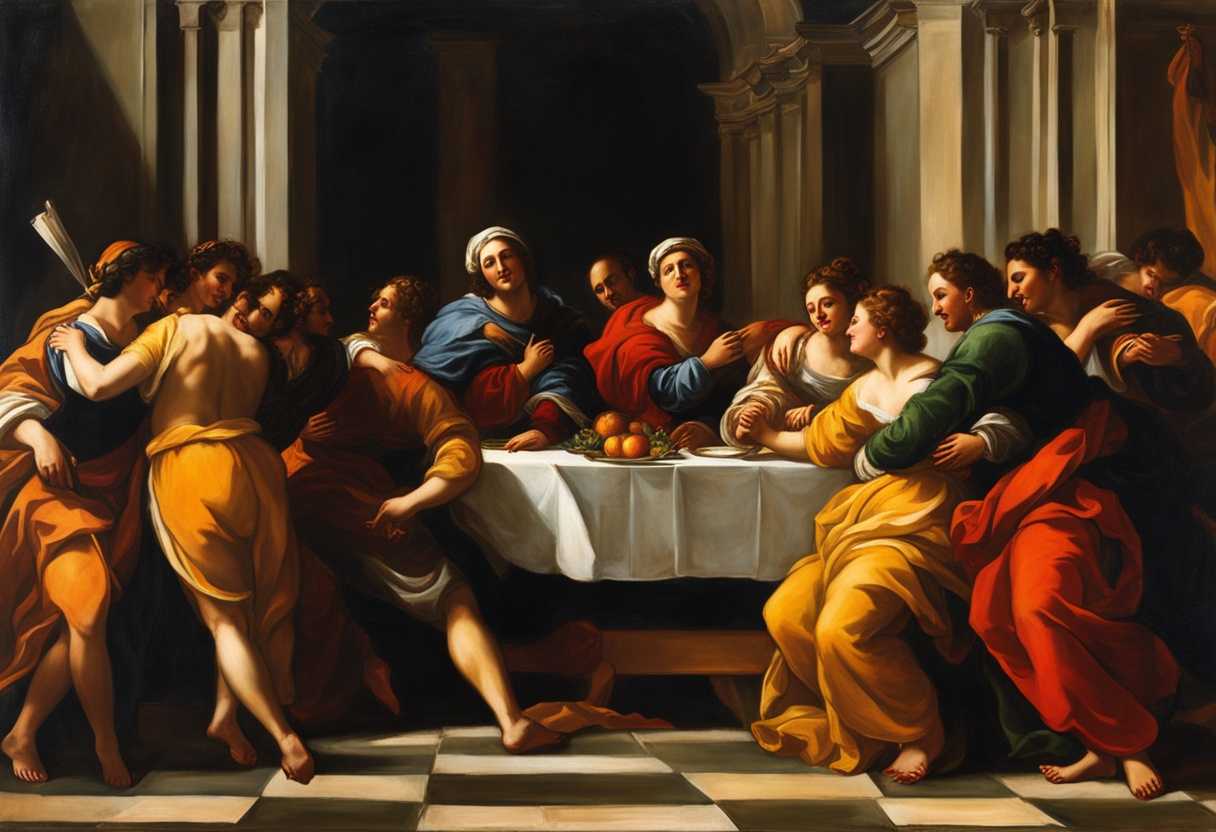
What the Bible Says About Charity: Envieth Not
In the Bible, the phrase “charity does not envy” emphasizes that true love, or charity, is devoid of jealousy and resentment towards others’ blessings or successes. It reflects a selfless attitude, celebrating rather than begrudging the good fortune of others (1 Corinthians 13:4). Scripture 4 Love is patient and kind; love does not envy or…
-

What the Bible Says About Cult Prostitutes: Definitions and Context
In the Bible, cult prostitutes were individuals who engaged in sexual acts as part of pagan worship rituals, often associated with fertility gods and practices. This practice is condemned in various passages, such as Deuteronomy 23:17-18, which prohibits Israelite participation in such activities, reflecting the broader theme of maintaining holiness and separation from idolatrous practices.…
-

What the Bible Says About the Ethiopian Orthodox Tewahedo Tradition
The Ethiopian Orthodox Tewahedo Bible is the canonical scripture of the Ethiopian Orthodox Church, distinguished by its inclusion of several unique books not found in the Protestant or Catholic Bibles, totaling 81 books. It emphasizes the significance of both the Old and New Testaments, along with additional texts like the Book of Enoch, reflecting the…
-

What the Bible Says About the Gall of Bitterness
In the Bible, the “gall of bitterness” refers to deep-seated resentment or bitterness, often associated with sin and spiritual corruption. It is mentioned in Acts 8:23, where Peter warns Simon the Sorcerer about being “in the gall of bitterness and in the bond of iniquity,” highlighting the destructive nature of such attitudes. Scripture 18 Now…
-

What the Bible Says About Household Gods: Understanding Their Meaning
Household gods, often referred to as “teraphim,” in the Bible are small idols or figurines used in ancient Hebrew household worship and protection, typically representing deities or ancestors. They are associated with idolatry and are condemned in Scripture, as seen in passages like Genesis 31:19 and Judges 17:5, reflecting a deviation from monotheistic worship of…
-

What the Bible Says About Laying Down Your Life for a Friend
Laying down one’s life for friends, as described in John 15:13, signifies the ultimate act of love and sacrifice, illustrating a willingness to prioritize the well-being of others above one’s own life. It embodies selflessness and unconditional love, reflecting Jesus’ own sacrifice for humanity. Scripture 12 “This is my commandment, that you love one another…