
Category: Doctrines and Beliefs
-

What the Bible Says About Syncretism: Understanding Its Meaning and Implications
In the Bible, syncretism refers to the blending of different religious beliefs and practices, often leading to the worship of Yahweh alongside other gods, which is condemned in scriptures like Exodus 20:3-5. This mixing of faiths undermines the exclusivity of worship that God requires from His followers. Scripture 29 “When the Lord your God cuts…
-

What the Bible Says About the Rod of Correction
The “rod of correction” in the Bible symbolizes discipline and guidance, often associated with parental authority aimed at instructing and correcting a child’s behavior (Proverbs 13:24). It represents the necessity of correction for growth and moral development, emphasizing that loving discipline is essential for nurturing wisdom and character. Scripture 24 Whoever spares the rod hates…
-

What the Bible Says: A Simple Definition of Faith
The Bible is a sacred text in Christianity and Judaism, comprising the Old Testament (Hebrew Scriptures) and the New Testament (Christian Scriptures) that contains religious teachings, historical accounts, poetry, and prophecies. It serves as a guide for faith, morality, and spiritual practice for millions of believers. Scripture 1 In the beginning, God created the heavens…
-

What the Bible Says About Entrust: Understanding Its Definition and Significance
In a biblical context, to “entrust” refers to the act of assigning responsibility or care for something important to someone else, often seen in the relationship between God and His people, as in 1 Timothy 1:18 where Paul entrusts Timothy with a charge of faith. It signifies a deep level of confidence and expectation that…
-

What the Bible Says About the Meaning of the Hebrew Bible in Hindi
Hebrew Bible, known as “Hebrew बाइबल” in Hindi, refers to the sacred scriptures of Judaism, encompassing texts that form the basis of Jewish religious teachings and traditions, including the Torah and the Prophets. It is comprised of texts that are central to the Jewish faith and also form a significant part of Christian Old Testament.…
-

What the Bible Says About Chemosh: Understanding Its Meaning and Significance
Chemosh is recognized in the Bible as the god of the Moabites, often associated with war and human sacrifice. He is mentioned in texts such as Numbers 21:29 and 1 Kings 11:7, where the worship of Chemosh is condemned in contrast to the God of Israel. Scripture 29 Woe to you, O Moab! You are…
-

What the Bible Says About Casting Away Stones
“Cast away stones” in the Bible can symbolize the act of removing obstacles or burdens in one’s life, as seen in Ecclesiastes 3:5, which mentions a time to gather stones and a time to cast them away. It reflects themes of purification and preparation for new growth or beginnings. Scripture 1 For everything there is…
-

What the Bible Says About “Remove Your Necks”
The phrase “remove your necks” does not appear verbatim in the Bible, but the concept of removing or humbling oneself, particularly necks, often symbolizes a call to repentance and submission to God’s will. It reflects the idea of shedding pride and rebellion in favor of humility and obedience to God. Scripture 1 Awake, awake, put…
-
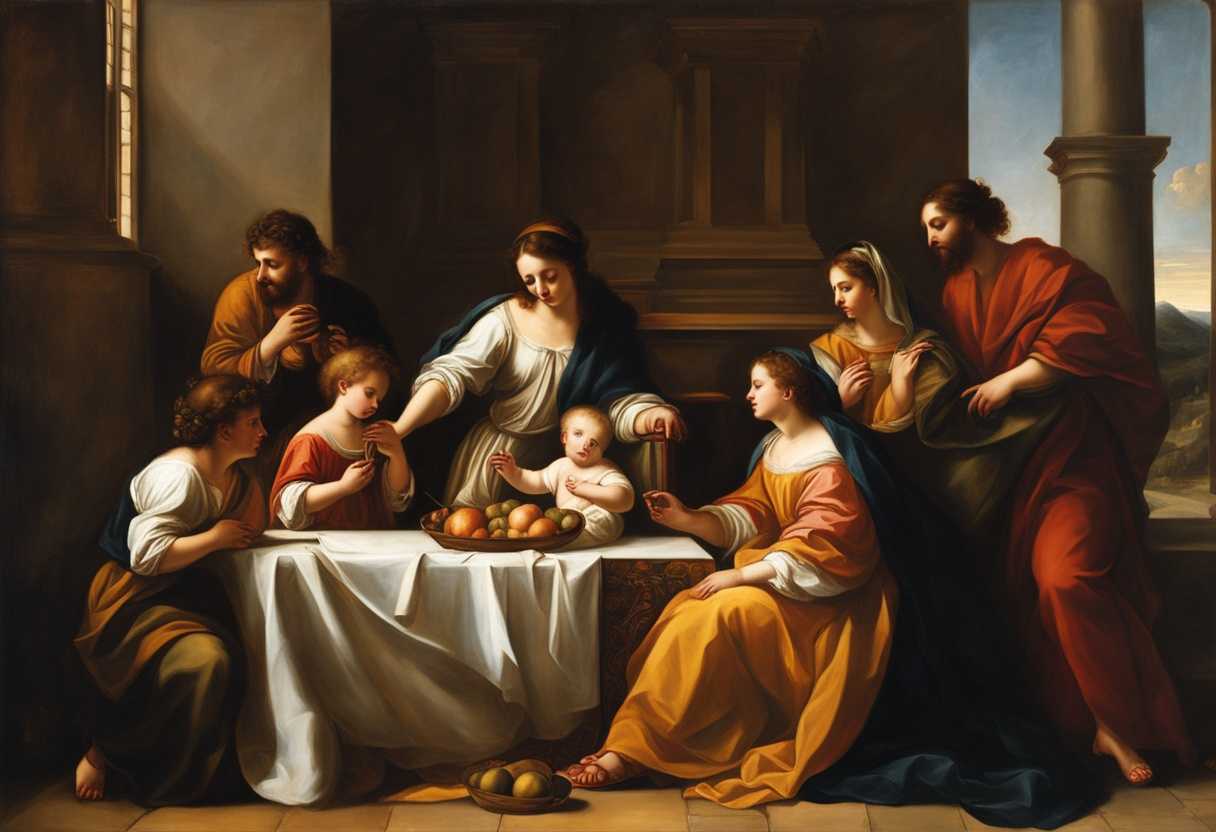
What the Bible Says About Family: An SDA Perspective
In the Seventh-day Adventist (SDA) context, the Bible defines family as a sacred institution ordained by God, primarily established through the union of a husband and wife, and extended to include children, emphasizing mutual love, respect, and spiritual upbringing. Family is seen as a reflection of God’s relationship with humanity, where members are called to…
-

What the Bible Says About Genuine Faith and Love
The Bible encourages authenticity and sincerity through verses like 2 Corinthians 8:8, which speaks of proving the sincerity of love, and Romans 12:9, which instructs believers to love without hypocrisy. These verses emphasize the importance of genuine love and truthful intentions in one’s actions and relationships. Scripture Let love be genuine. Abhor what is evil;…