
Category: Doctrines and Beliefs
-

What the Bible Says: Definitions in ESV Strong’s Bible
The ESV Strong’s Bible is a version of the Bible that includes the Strong’s Concordance system, which assigns a unique number to each Greek and Hebrew word in the original texts. This allows for easier study and cross-referencing of biblical terms and their meanings. Scripture 1 In the beginning, God created the heavens and the…
-
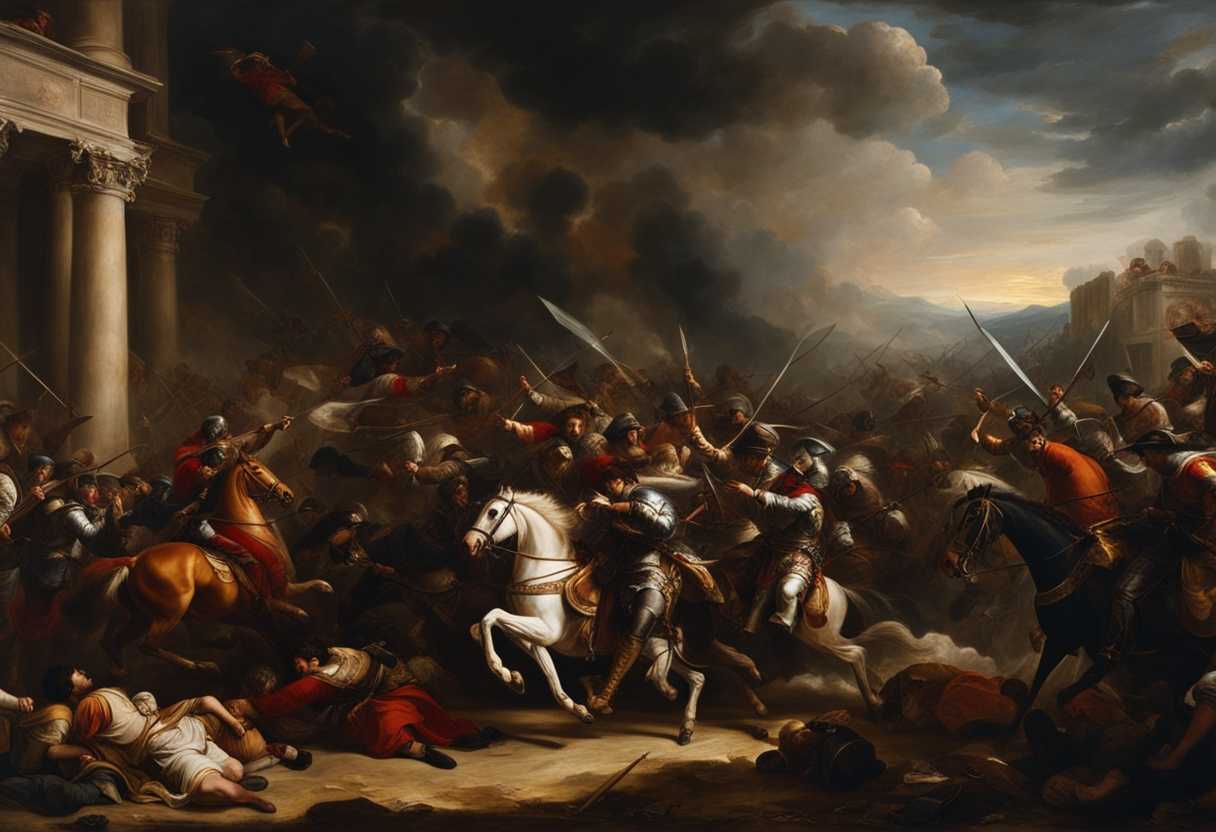
What the Bible Says About Nation Against Nation: Exploring the Greek Meaning
In the Bible, the phrase “nation against nation” (Greek: ἔθνος ἐπὶ ἔθνος, ethnos epi ethnos) appears in contexts such as Matthew 24:7 and refers to conflicts or wars between distinct ethnic groups or political entities. It signifies widespread discord and strife that ultimately reflects the breakdown of social and divine order in the last days.…
-

What the Bible Says: John Lennox on the Literal Meaning of Scripture
John Lennox, a mathematician and Christian apologist, emphasizes that while the Bible contains literal truths, its interpretation also requires understanding literary genres, cultural context, and the intent of the authors. He advocates for a balanced approach that respects the text’s historical and theological dimensions while recognizing its spiritual truths. Scripture 1 In the beginning, God…
-

What the Bible Says About Forgiveness in the KJV
In the KJV Bible, forgiveness is the act of letting go of resentment or anger towards someone for a wrong done, as exemplified in Matthew 6:14-15, where it states that if we forgive others their trespasses, God will also forgive us. Forgiveness reflects God’s mercy and grace, highlighting the importance of reconciliation and loving one’s…
-

What the Bible Says About Matzo: A Definition and Its Significance
Matzo, or matzah, is unleavened bread traditionally eaten during Passover, symbolizing the haste of the Israelites’ escape from Egypt when they did not have time to let their bread rise (Exodus 12:39). Its significance lies in remembering the Exodus and the importance of humility and simplicity in one’s relationship with God. Scripture 15 Seven days…
-

What the Bible Says About “Blessed Are the Peacemakers”
“Blessed are the peacemakers” is a phrase from Matthew 5:9, where Jesus highlights the virtues of those who actively seek to promote peace and reconciliation among people. It signifies that those who foster harmony will be recognized as children of God, reflecting His character and intentions for humanity. Scripture 9 Blessed are the peacemakers, for…
-

What the Bible Says About Forgive Us Our Trespasses
In the Bible, “forgive us our trespasses” refers to the request for God’s mercy and pardon for our sins and wrongdoings, as articulated in the Lord’s Prayer (Matthew 6:12). It signifies recognition of human fallibility and the need for divine grace to restore our relationship with God and others. Scripture 9 Pray then like this:…
-

What the Bible Says About Keepers at Home: Understanding Its Meaning
In the Bible, the phrase “keepers at home” refers to women, particularly in Titus 2:5, who are responsible for managing their households and caring for their families. This role emphasizes the importance of domestic duties and nurturing within the family structure in a biblical context. Scripture 3 Older women likewise are to be reverent in…
-

What the Bible Says: Rejoiceth Not in Iniquity
The phrase “rejoiceth not in iniquity” comes from 1 Corinthians 13:6, which emphasizes that love does not take pleasure in wrongdoing or sin. Instead, it reflects a commitment to truth and righteousness, highlighting the moral integrity of true love. Scripture 4 Love is patient and kind; love does not envy or boast; it is not…
-

What the Bible Says: The Meek Shall Inherit the Earth
“The meek shall inherit the earth” is a phrase from Matthew 5:5, part of the Beatitudes, which signifies that those who are humble, gentle, and submissive to God will ultimately receive great blessings and rewards, including the promise of eternal life and peace on earth. This idea contrasts worldly views of strength and power, emphasizing…