
Category: Emotions and States of Being
-
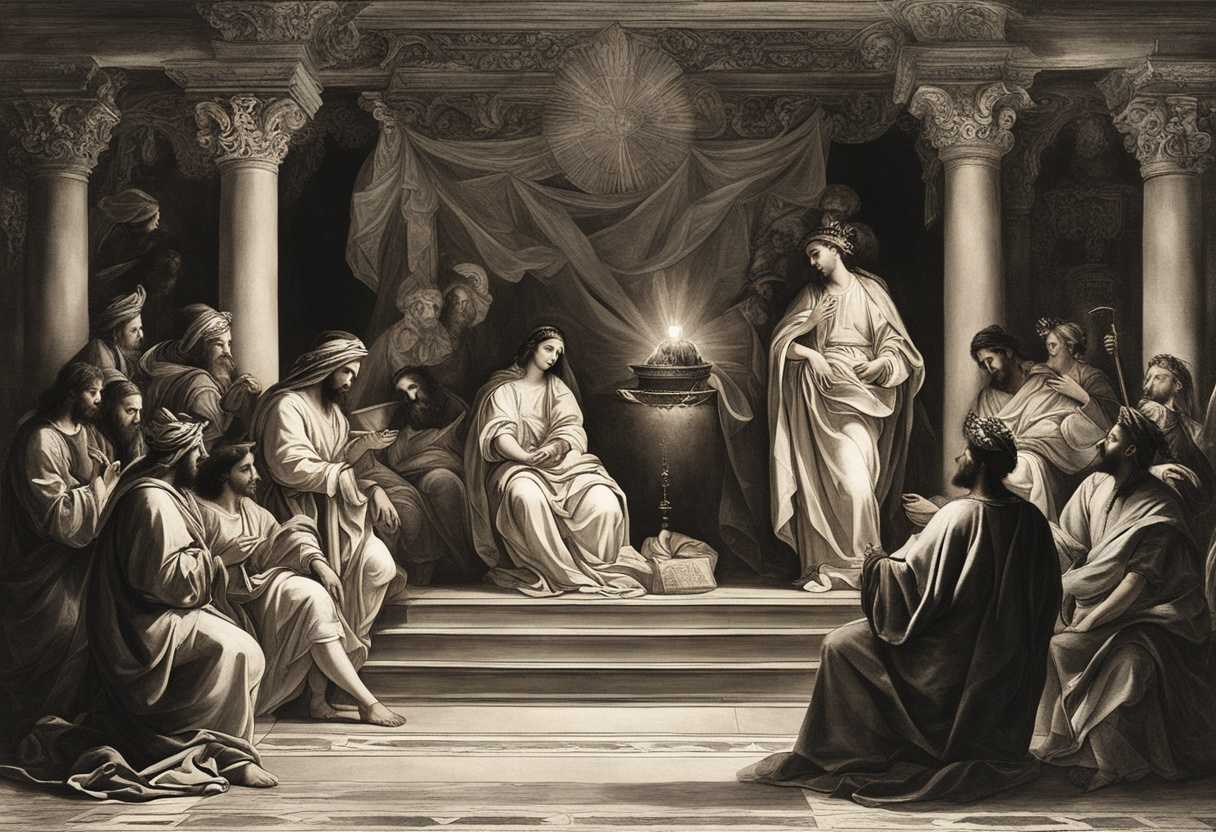
What the Bible Says About Being Adored
In the Bible, “adored” generally refers to the deep reverence and love shown towards God or sacred figures, often expressed through worship, submission, and praise. An example can be seen in Matthew 2:11, where the Magi “fell down and worshiped” Jesus, signifying profound honor and veneration. Scripture 3 “You shall have no other gods before…
-

What the Bible Says About the Meaning of “Pitiful”
In the Bible, “pitiful” generally refers to a sense of compassion or mercy toward those who are suffering or in need, reflecting God’s love and concern for humanity. It can also describe an emotional response to the plight of others, encouraging believers to show kindness and empathy. Scripture 10 As an example of suffering and…
-

What the Bible Says About the Meaning of Dread
In the Bible, “dread” often signifies a profound fear or reverence, particularly in the context of one’s relationship with God. It can represent an awe-filled reaction to His power and holiness, as seen in passages like Proverbs 1:7, which states that the fear of the Lord is the beginning of knowledge. Scripture 29 Then I…
-

What the Bible Says About Being Displeased
In the Bible, “displeased” refers to a state of dissatisfaction or anger, often in response to human actions that go against God’s will or commands. It signifies God’s emotional response to sin or rebellion, as seen in various passages where His displeasure leads to consequences for individuals or nations. Scripture 11 And the thing was…
-

What the Bible Says About Admiration: Understanding Its Meaning
In the Bible, admiration often reflects a deep respect or reverence for God’s attributes and actions, as seen in passages that praise His glory and works (e.g., Psalm 145:5-6). Additionally, admiration can be directed toward wise and righteous individuals whose character exemplifies godly virtues (Proverbs 31:30). Scripture 3 When I look at your heavens, the…
-

What the Bible Says About Enmity: Understanding Its Meaning and Significance
In the Bible, enmity refers to a state of hostility or hatred, often seen in the relationship between humanity and sin or between individuals and God. It is notably mentioned in Genesis 3:15, where God speaks of placing enmity between the serpent and the woman, symbolizing the ongoing struggle between good and evil. Scripture 14…
-

What the Bible Says About the Meaning of Joy
In the Bible, joy is often described as a deep-seated sense of well-being and contentment that comes from a relationship with God, rather than mere happiness based on circumstances. It is frequently associated with the Holy Spirit’s presence and is considered a fruit of the Spirit, emphasizing spiritual fulfillment and gratitude (Galatians 5:22-23; Psalm 16:11).…
-

What the Bible Says About Being Honored
In the Bible, “honored” refers to showing great respect or distinction, often in the context of valuing one’s relationship with God and others. It signifies recognizing the worth of individuals and treating them with dignity, as seen in passages like 1 Timothy 5:17, which emphasizes honoring church leaders. Scripture 12 “Honor your father and your…
-

What the Bible Says About Deep Affections
In the Bible, deep affections often refer to profound love and compassion that reflect God’s character and are expressed in relationships among people. This emotional depth is exemplified in passages such as 1 Peter 1:22, which encourages believers to love one another earnestly from a pure heart. Scripture 4 Love is patient and kind; love…
-

What the Bible Says About Woe: Understanding Its Meaning and Significance
In the Bible, “woe” is an expression of lamentation or warning, typically indicating a state of grief, distress, or impending judgment. It is often used by prophets and Jesus to call attention to the seriousness of sin and the consequences that follow. Scripture 8 Woe to those who join house to house, who add field…