
Category: Names and Characters
-

What the Bible Says About the Names of Angels and Their Meanings
In the Bible, angelic names often reflect their roles or attributes; for example, “Gabriel” means “God is my strength,” and “Michael” means “who is like God.” These names signify their divine missions and characteristics as messengers and protectors of God’s will. Scripture 1 In the year that King Uzziah died I saw the Lord sitting…
-

What the Bible Says About the Meaning of Adah
In the Bible, Adah is a name that means “ornament” or “adornment.” She is mentioned in Genesis 4:19 as one of the wives of Lamech and is the mother of Jabal and Jubal, signifying her role in the genealogy of early biblical figures. Scripture 19 Lamech took two wives. The name of the one was…
-

What the Bible Says About the Meaning of Havilah
In the Bible, Havilah refers to a region mentioned in Genesis 2:11-12, considered to be rich in resources, particularly gold, bdellium, and onyx. It is also thought to represent one of the ancient lands associated with the descendants of Cush or the descendants of Shem in other biblical contexts. Scripture 10 A river flowed out…
-

What the Bible Says About Pilate: Definition and Significance
Pontius Pilate, in the Bible, is the Roman governor of Judea who presided over the trial of Jesus Christ and ultimately authorized his crucifixion, as documented in the Gospels. His name is often associated with moral ambiguity and the struggle between political authority and justice. Scripture 11 Now Jesus stood before the governor, and the…
-
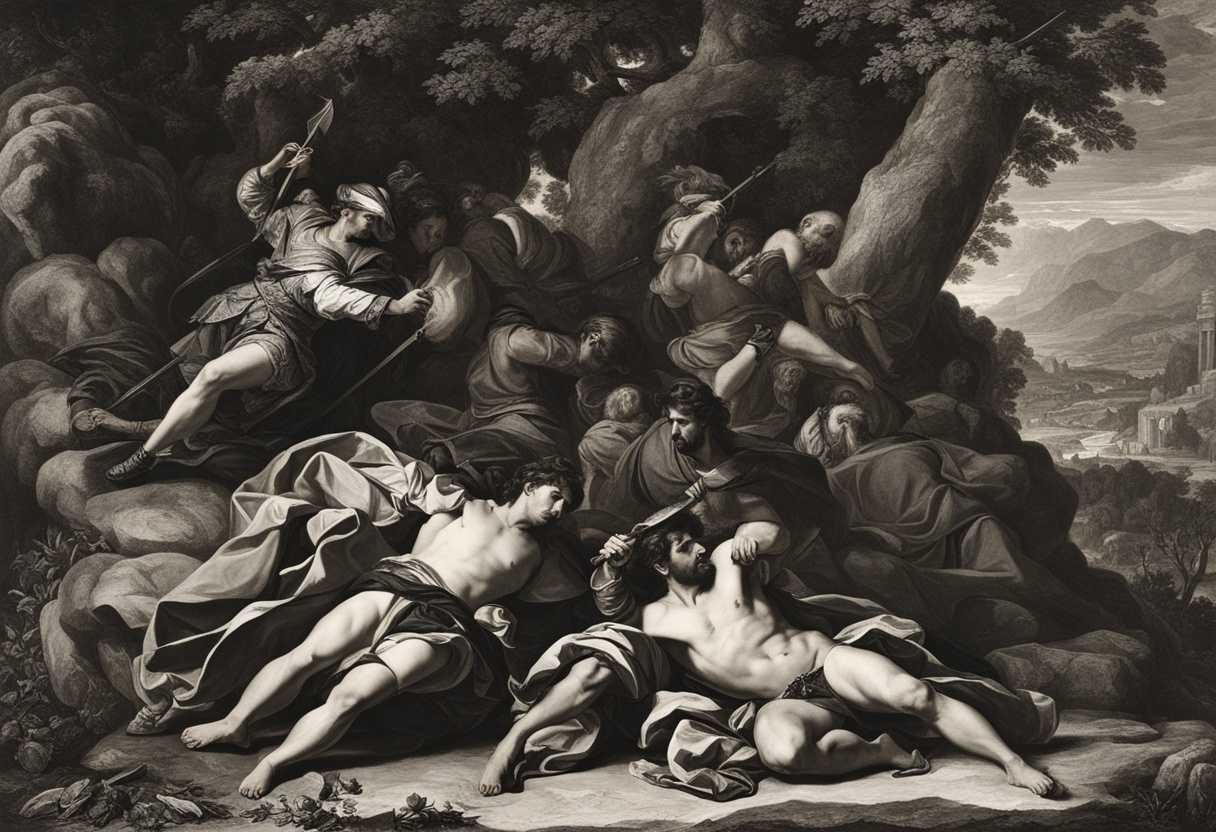
What the Bible Says About Absalom: Meaning and Significance
Absalom, in the Bible, means “father of peace” in Hebrew. He is known as the third son of King David, who is remembered for his rebellion against his father and his tragic death during a civil war in Israel, symbolizing the complexities of familial relationships and the consequences of pride and ambition. Scripture 1 Now…
-

What the Bible Says About Elihu: Meaning and Significance
Elihu is a character in the Book of Job, known for his lengthy speeches that provide a different perspective on suffering and divine justice. His name means “My God is He,” and he is portrayed as a young man who asserts that suffering can serve a purpose and that God’s wisdom transcends human understanding. Scripture…
-

What the Bible Says About Jehu: Meaning and Significance
In the Bible, Jehu is a king of Israel known for his violent purge of the house of Ahab and his efforts to eradicate the worship of Baal (2 Kings 9-10). His name means “Jehovah is He,” reflecting a dedication to the God of Israel. Scripture 1 Then Elisha the prophet called one of the…
-

What the Bible Says About the Meaning of Peninnah
Peninnah, in the Bible, is known as the second wife of Elkanah and the mother of his children, contrasting with Hana, who was childless. Her story highlights themes of rivalry and the social pressures of bearing children in ancient Israel, particularly in 1 Samuel 1. Scripture 1 There was a certain man of Ramathaim-zophim of…
-

What the Bible Says About Jabin: Meaning and Significance
In the Bible, Jabin is a name associated with several figures, notably a king of Hazor who opposed Joshua during the Israelite conquest of Canaan (Joshua 11:1-15). The name Jabin means “wise” or “intelligent” in Hebrew. Scripture 1 When Jabin, king of Hazor, heard of this, he sent to Jobab king of Madon, and to…
-

What the Bible Says About the Meaning of Female Names
In the Bible, female names often carry significant meanings that reflect character traits, life events, or divine purposes. For example, the name “Sarah” means “princess,” indicating her status as the mother of nations, while “Miriam” means “bitterness,” reflecting her connection to the Israelites’ struggles in Egypt. Scripture 15 And God said to Abraham, “As for…