
Category: Objects and Symbols
-

What the Bible Says About Dung: Understanding Its Meaning and Symbolism
In the Bible, “dung” refers to excrement or waste material, often used metaphorically to symbolize impurity, filth, or the consequences of sin (e.g., Deuteronomy 23:13-14). It serves to highlight the need for cleanliness and holiness in both physical and spiritual contexts. Scripture 11 But the skin of the bull and all its flesh, with its…
-

What the Bible Says About Anise: Definition and Significance
In the Bible, anise is mentioned in Matthew 23:23 as one of the herbs that the Pharisees were meticulous about tithing, symbolizing the importance of even the smallest details in religious observance. It is often associated with purity and the practice of devotion. Scripture 23 “Woe to you, scribes and Pharisees, hypocrites! For you tithe…
-

What the Bible Says About the Meaning of Stick
In the Bible, a stick often symbolizes authority and power, as seen in the shepherd’s staff used for guidance and protection (Psalm 23:4). It can also represent God’s power to perform miracles, such as Moses’ rod that parted the Red Sea (Exodus 14:16). Scripture 2 The Lord said to him, “What is that in your…
-
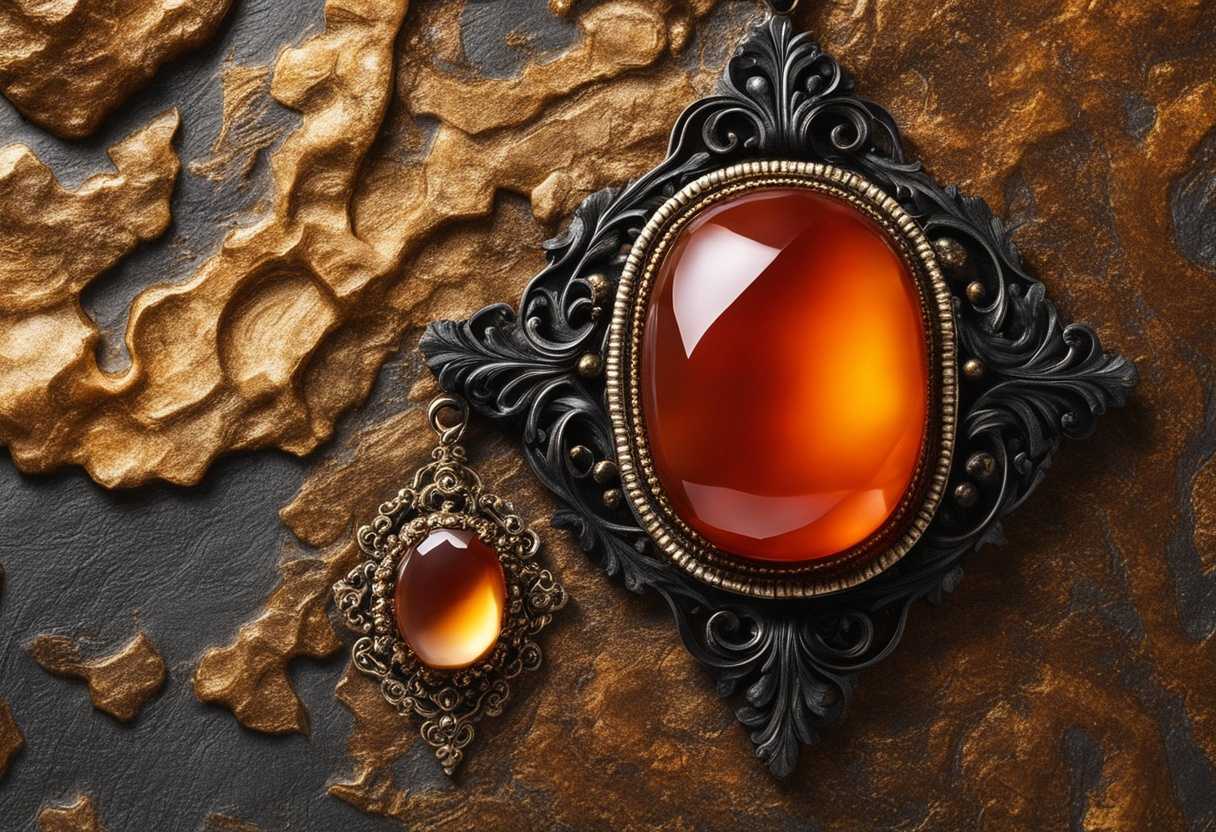
What the Bible Says About the Meaning of Carnelian
Carnelian, mentioned in the Bible, particularly in Exodus 28:17 and Revelation 21:19, is a precious stone associated with beauty and value. It symbolizes God’s glory and the adornment of His people, often linked to the foundation of the New Jerusalem. Scripture 15 “You shall make a breastpiece of judgment, in skilled work. In the style…
-
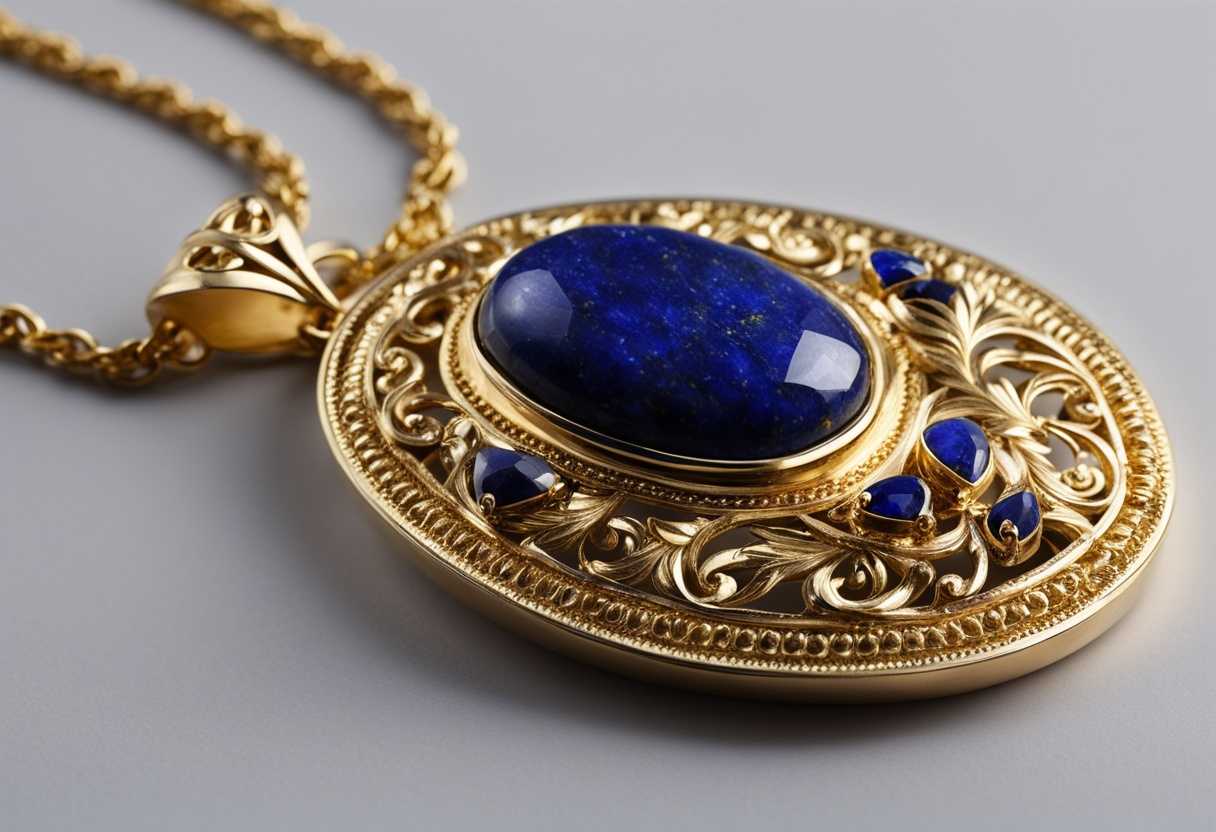
What the Bible Says About the Meaning of Lapis Lazuli
Lapis lazuli is a precious stone mentioned in the Bible, often symbolizing beauty, wealth, and divine favor. It is notably referenced in Exodus 24:10 and Ezekiel 28:13, where it is associated with the glory of God and the adornment of the heavenly realms. Scripture 9 Then Moses and Aaron, Nadab, and Abihu, and seventy of…
-

What the Bible Says About Stubble: Understanding Its Meaning and Significance
In the Bible, “stubble” refers to the remnants of a crop that has been harvested, often symbolizing something weak, temporary, or easily destroyed (Isaiah 5:24; Malachi 4:1). It can also represent the judgment and destruction that will come upon the wicked, as stubble burns easily in a fire. Scripture 25 Will you frighten a driven…
-

What the Bible Says About the Meaning of Turban
In the Bible, the turban often symbolizes dignity, holiness, and divine authority. For instance, in Exodus 28:36-39, the high priest’s turban signifies his role in leading worship and mediating between God and the people. Scripture 36 “You shall make a plate of pure gold and engrave on it, like the engraving of a signet, ‘Holy…
-
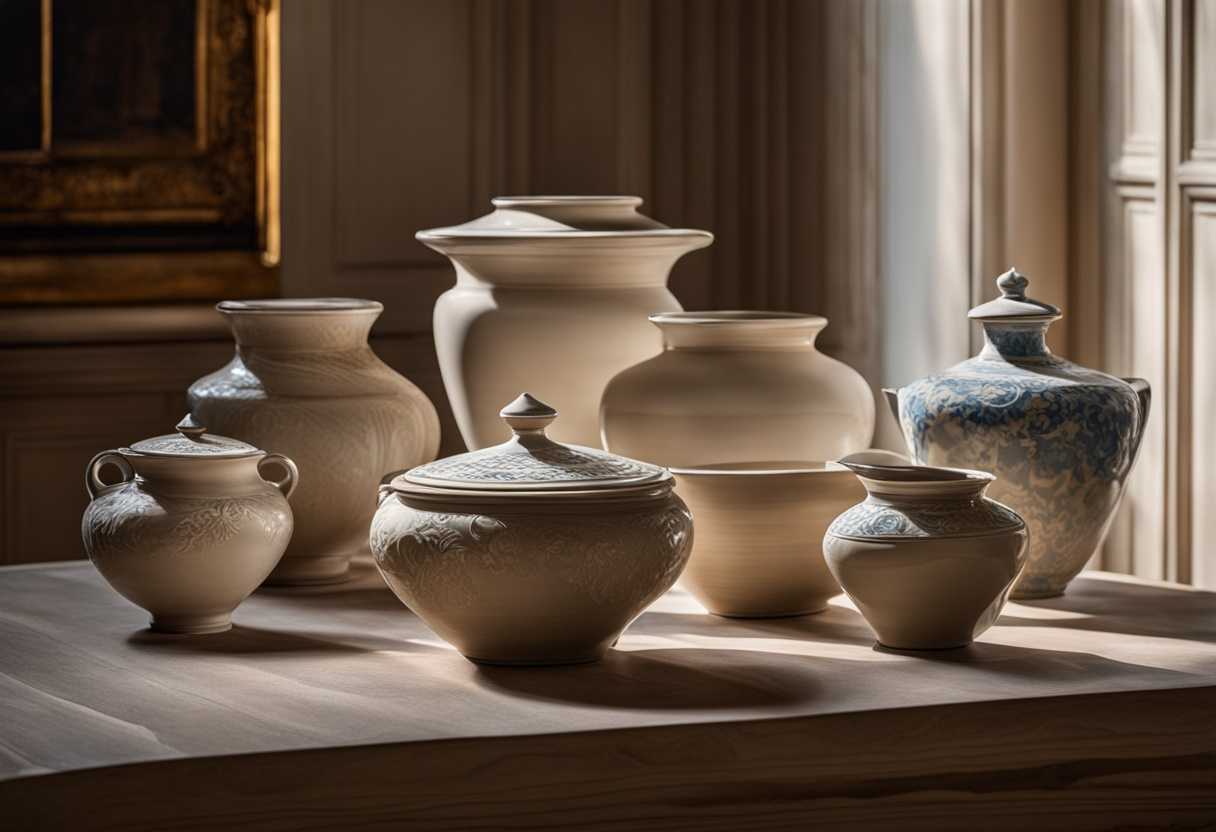
What the Bible Says About Earthenware: Definitions and Significance
In the Bible, earthenware refers to pottery made from clay, symbolizing human fragility and mortality; it is often used metaphorically to represent the impermanence of earthly things (2 Corinthians 4:7). Additionally, it represents vessels that can be used for both common and sacred purposes, reflecting God’s ability to work through humble means (Romans 9:21). Scripture…
-

What the Bible Says About Ruby Stone Meaning
In the Bible, the ruby is often associated with wisdom and value, as seen in Proverbs 3:15, which states that wisdom is more precious than rubies. Additionally, rubies are also mentioned in the context of beauty and adornment in the descriptions of the New Jerusalem in Revelation 21:19-20, highlighting their symbolic representation of divine glory.…
-

What the Bible Says About Harrows: A Definition and Symbolism
In the Bible, “harrows” refer to agricultural tools used for breaking up and smoothing the soil after plowing, symbolizing the process of preparation and cultivation. This term can be found in metaphors that illustrate God’s judgment or the breaking down of obstacles, as seen in passages like Job 39:10. Scripture 31 And he brought out…