
Category: Objects and Symbols
-
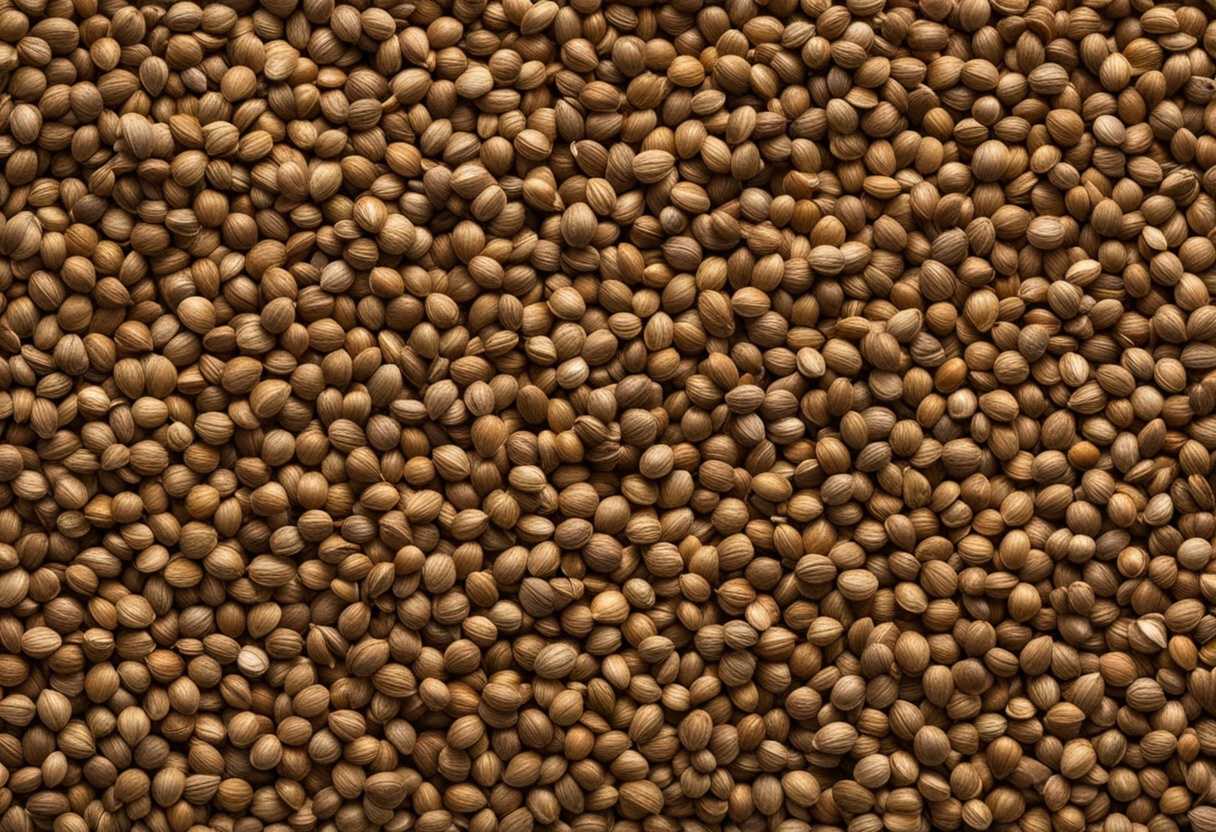
What the Bible Says About the Meaning of Coriander
In the Bible, coriander is mentioned in Exodus 16:31 as a comparison to the manna that God provided to the Israelites in the wilderness, highlighting its role as a staple food and symbolizing divine provision. Additionally, it is referenced in Numbers 11:7, where its seeds are described as resembling the manna, emphasizing themes of sustenance…
-

What the Bible Says About the Definition of the Tabernacle
In the Bible, the term “tabernacle” refers to a portable dwelling place for the divine presence of God among the Israelites, as described in Exodus 25-27. It served as a place of worship and sacrifice during their journey through the wilderness before the establishment of the Temple in Jerusalem. Scripture 1 The Lord said to…
-

What the Bible Says About the Rudder of a Ship
In the Bible, the “rudder of a ship” is often used metaphorically to symbolize guidance and control, as seen in James 3:4, which compares the tongue to a rudder that directs a ship despite its size. This illustrates the power of small things in influencing the direction of one’s life and actions. Scripture 3 If…
-

What the Bible Says About Bronze: Symbolism and Significance
In the Bible, bronze often symbolizes strength, durability, and judgment. It is frequently associated with judgment as seen in the bronze altar used in the tabernacle and the bronze serpent in the wilderness, representing both the severity of God’s judgment and His provision for salvation. Scripture 1 “You shall make the altar of acacia wood,…
-

What the Bible Says About Genuine Leather: Understanding Its Meaning and Significance
The term “genuine leather” in the context of Bibles typically refers to a cover made from real animal hide, providing durability and a classic appearance. It signifies quality and authenticity, distinguishing itself from synthetic materials often labeled as “leather-like.” Scripture 21 And the Lord God made for Adam and for his wife garments of skins…
-

What the Bible Says About the Meaning of Parchment
In the Bible, “parchment” refers to a writing material made from animal skin, used for recording important texts and documents. It is often associated with scriptures and scrolls, emphasizing the preservation and transmission of sacred writings. Scripture 13 When you come, bring the cloak that I left with Carpus at Troas, also the books, and…
-

What the Bible Says About Spotted Garments: Symbolism and Significance
In the Bible, spotted garments symbolize impurity or unrighteousness. They often represent the blemished state of those who have strayed from God’s commandments, contrasting with the purity associated with righteousness. Scripture 1 The Lord spoke to Moses and Aaron, saying, 2 When a person has on the skin of his body a swelling or an…
-

What the Bible Says About Wheat and Honey: Symbolism and Meaning
In the Bible, wheat symbolizes abundance, nourishment, and the blessings of the land (e.g., Deuteronomy 8:8), while honey represents sweetness, delight, and the goodness of God’s provision (e.g., Psalm 19:10). Together, they often illustrate God’s generosity and the richness of His promises. Scripture 47 During the seven plentiful years the earth produced abundantly. 48 And…
-

What the Bible Says About the Meaning of Bread and Water
In the Bible, bread symbolizes sustenance, often representing God’s provision and the spiritual nourishment found in Christ (John 6:35). Water signifies life and purification, illustrating the need for spiritual refreshment and the cleansing power of God’s grace (John 4:14, Ezekiel 36:25). Scripture 1 And the Lord appeared to him by the oaks of Mamre, as…
-

What the Bible Says About the Characteristics of the Palm Tree
In the Bible, palm trees symbolize victory, peace, and prosperity. They are often associated with triumph and righteousness, as seen in Psalm 92:12, which states that “the righteous will flourish like a palm tree.” Scripture 12 The righteous flourish like the palm tree and grow like a cedar in Lebanon. 13 They are planted in…