
Category: Objects and Symbols
-

What the Bible Says About the Meaning of a Torch
In the Bible, a torch often symbolizes light, guidance, and illumination—both physically and spiritually. It can represent the presence of God or His truth, as seen in passages like Psalm 119:105, which describes God’s word as a lamp to our feet and a light to our path. Scripture 17 When the sun had gone down…
-

What the Bible Says About Raiment: A KJV Definition
In the King James Version (KJV) of the Bible, “raiment” refers to clothing or garments. It is often used to describe attire in various contexts, symbolizing one’s status, identity, or even modesty. Scripture 2 So Jacob said to his household and to all who were with him, “Put away the foreign gods that are among…
-
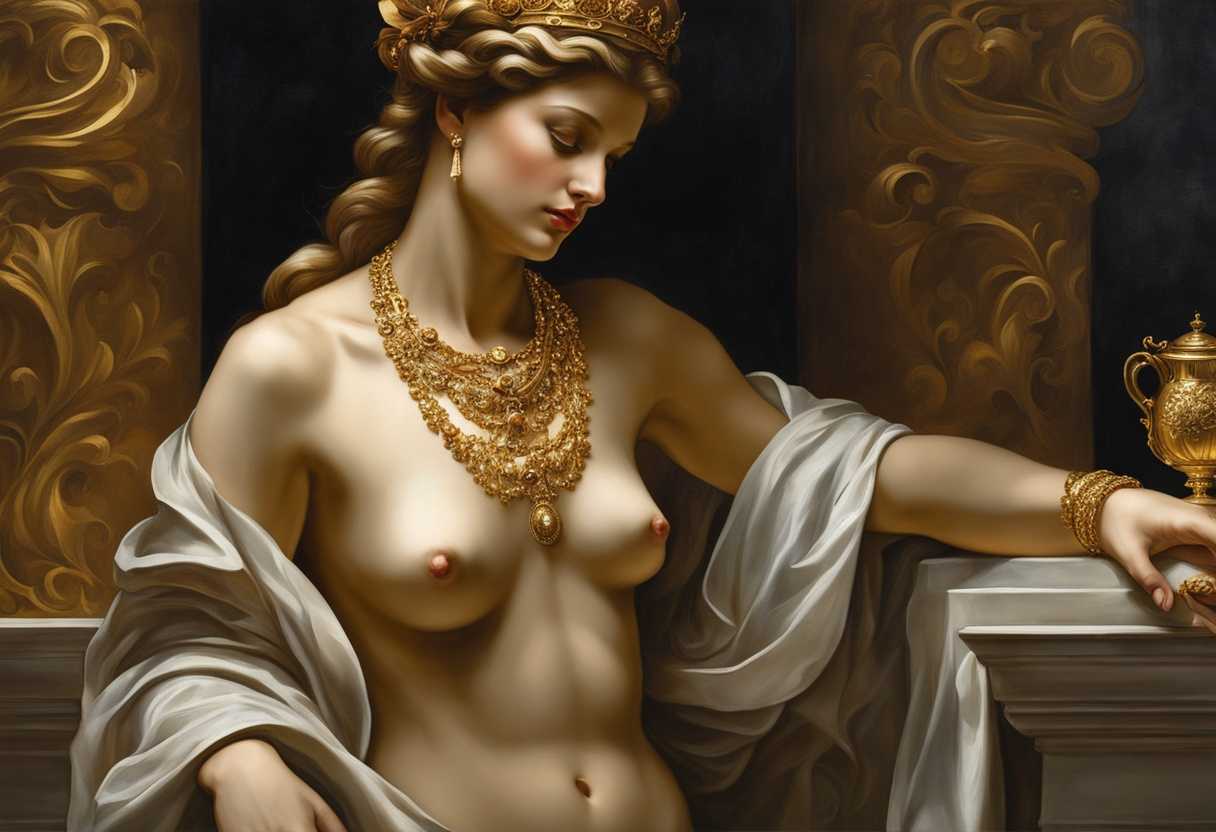
What the Bible Says About the Meaning of a Gold Necklace
In the Bible, a gold necklace often symbolizes wealth, beauty, and status. It can also represent honor or the blessings of God, as seen in Proverbs 1:9, which suggests that wisdom is like a necklace that adorns the wearer. Scripture 41 So Pharaoh said to Joseph, “See, I have set you over all the land…
-

What the Bible Says About Cedarwood: Symbolism and Significance
Cedarwood in the Bible symbolizes strength, durability, and beauty, often associated with the splendor of God’s creation. It is frequently mentioned in contexts of construction, such as in the building of temples and houses, highlighting its value and significance in ancient Israelite culture. Scripture 1 The Lord spoke to Moses, saying, 2 “This shall be…
-
What the Bible Says About the Spiritual Meaning of a Scroll
In the Bible, a scroll often symbolizes divine revelation and the recording of God’s covenant and words. It represents the transmission of God’s message to humanity, exemplified by the scroll in Revelation 5, which contains the secrets of God’s plan for redemption. Scripture 9 And when I looked, behold, a hand was stretched out to…
-

What the Bible Says About Moss Symbolism
The Bible does not explicitly mention moss, but it can symbolize insignificance or lack of permanence, as it often grows in humble, hidden places. In a broader context, such natural elements can represent the transient nature of earthly life compared to the eternal nature of God’s kingdom. Scripture 33 The Lord spoke to Moses and…
-

What the Bible Says About Raiment: Understanding Its Definition and Significance
In the Bible, “raiment” refers to clothing or garments that individuals wear. It often carries symbolic meanings related to identity, modesty, or social status, and is used in various contexts to illustrate spiritual truths or moral lessons. Scripture 7 Then the eyes of both were opened, and they knew that they were naked. And they…
-

What the Bible Says About the Manger: Meaning and Significance
A “manger” in the Bible refers to a feeding trough for animals, often made of wood or stone, where Jesus was laid after His birth in Bethlehem, signifying His humble beginnings (Luke 2:7). It represents a place of simplicity and humility, highlighting the contrast between His divine nature and earthly circumstances. Scripture 6 And while…
-

What the Bible Says About Fowl: Understanding Its Definition and Significance
In the Bible, “fowl” refers to birds in general, often in the context of dietary laws or as symbols in parables and teachings. It is used to denote clean birds that can be eaten, as well as unclean ones that are prohibited, as outlined in Leviticus 11. Scripture 20 And God said, “Let the waters…
-

What the Bible Says About the Cupbearer: Meaning and Significance
In the Bible, a cupbearer is an official who is responsible for serving drinks, particularly to a king or dignitary, as a position of trust and honor. Notably, Nehemiah served as cupbearer to the Persian king Artaxerxes, which positioned him to influence royal decisions (Nehemiah 1:11). Scripture 1 Some time after this, the cupbearer of…