
Category: Objects and Symbols
-

What the Bible Says About the Meaning of Fig Leaves
In the Bible, fig leaves symbolize a misguided attempt to cover shame and sin, as seen in Genesis 3:7, where Adam and Eve use them to hide their nakedness after disobeying God. This act represents humanity’s awareness of sin and the inadequacy of human effort to achieve true righteousness. Scripture 7 Then the eyes of…
-

What the Bible Says About Joseph’s Coat: Meaning and Significance
In the Bible, Joseph’s coat, described as a “coat of many colors” (Genesis 37:3), symbolizes his father’s favoritism and special status among his brothers. This coat becomes a key element in the story of Joseph, inciting jealousy and contributing to the brothers’ decision to sell him into slavery. Scripture 3 Now Israel loved Joseph more…
-
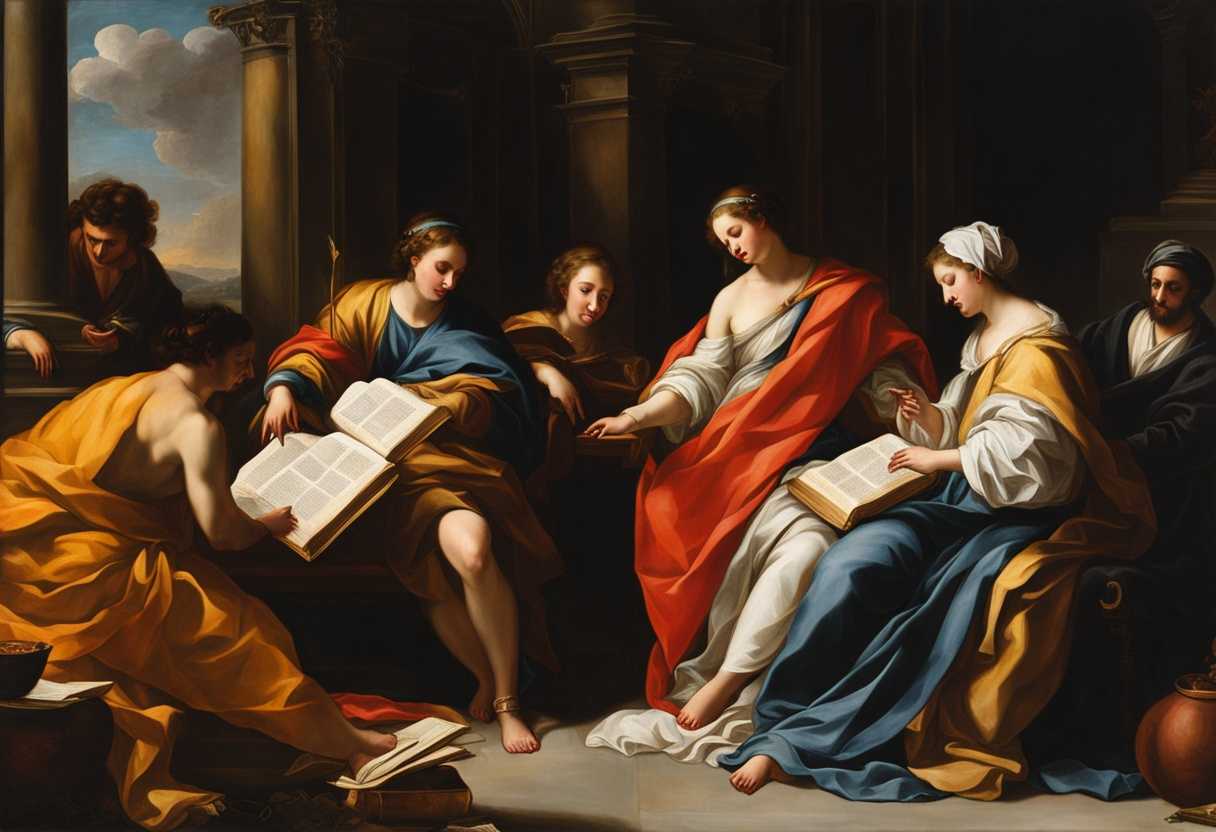
What the Bible Says About Self-Pronouncing: Understanding Its Meaning
A self-pronouncing Bible is a version of the Scriptures that includes phonetic guides to help readers correctly pronounce difficult names and words, often using special markings or color coding. This feature aids in the reading and understanding of biblical texts, particularly for those unfamiliar with Hebrew or Greek pronunciations. Scripture 4 “Hear, O Israel: The…
-

What the Bible Says About the Threshing Sledge: Understanding Its Meaning and Significance
In the Bible, a threshing sledge is a heavy, flat tool used in agricultural practices to separate grains from chaff. It symbolizes the process of judgment and refinement, where the righteous are distinguished from the wicked (Isaiah 41:15). Scripture 15 Behold, I make of you a threshing sledge, new, sharp, and having teeth; you shall…
-
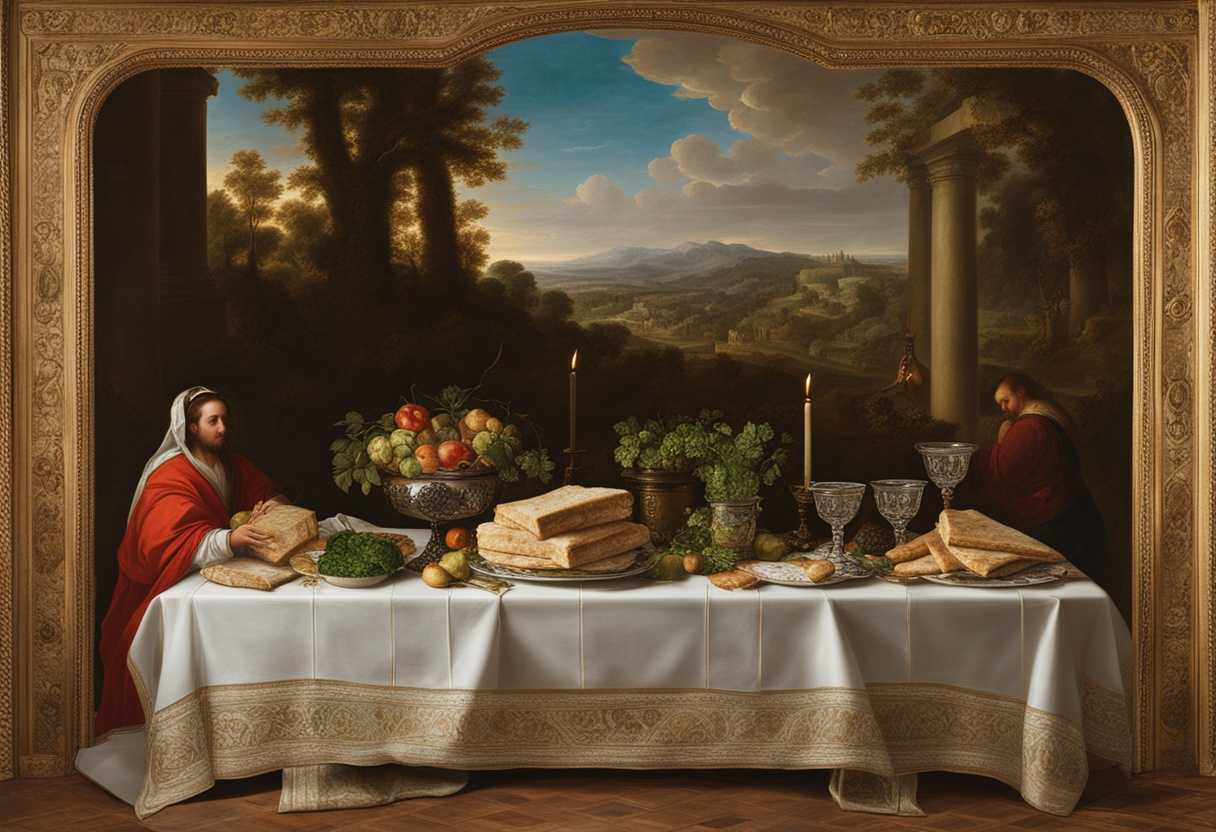
What the Bible Says About the Items of the Passover Menu and Their Symbolic Meaning
In the Bible, Passover commemorates the Israelites’ exodus from Egypt, represented through specific menu items. Key elements include unleavened bread (matzah) symbolizing haste in leaving Egypt, bitter herbs (maror) representing the bitterness of slavery, and lamb (the Passover sacrifice) symbolizing redemption and God’s protection during the final plague. Scripture 1 The Lord said to Moses…
-
What the Bible Says About the Symbolism of the Square
In the Bible, there is no specific mention of a square symbol with a defined meaning; however, squares can represent order, completeness, and stability due to their geometric properties. Additionally, the New Jerusalem is often described as a square in Revelation 21:16, symbolizing perfection and the fullness of God’s presence. Scripture 1 “You shall make…
-

What the Bible Says About Biblical Shoes
In the Bible, shoes often symbolize preparation and readiness for a journey or mission. For instance, in Ephesians 6:15, the “shoes of the gospel of peace” represent the readiness to spread the message of Christ. Scripture 5 Then he said, “Do not come near; take your sandals off your feet, for the place on which…
-

What the Bible Says About Spider Symbolism
In the Bible, spiders are often associated with wisdom and creativity, as seen in Proverbs 30:28, which notes the spider’s ability to skillfully weave its web. However, they can also symbolize danger or deceit, as their intricate webs can ensnare and trap, reflecting the potential for evil or temptation in the world. Scripture 13 Such…
-

What the Bible Says About Ivory Symbolism
In the Bible, ivory symbolizes wealth, luxury, and opulence, often associated with royalty and high status (e.g., 1 Kings 10:18-22). It can also represent the futility of materialism, as seen in its eventual decay and destruction (e.g., Amos 3:15). Scripture 18 Moreover, the king made a great throne of ivory and overlaid it with the…
-

What the Bible Says About the Meaning of Myrrh
Myrrh in the Bible is a fragrant resin used for anointing, perfumery, and embalming, symbolizing suffering and sacrifice. It was one of the gifts given to Jesus by the Wise Men (Matthew 2:11) and referenced in the context of His death and burial (John 19:39). Scripture 22 The Lord said to Moses, 23 “Take the…