
Category: Definitions
-

What the Bible Says About Wrestling: A Definition and Exploration
“Wresting the Bible” refers to the act of twisting or misinterpreting Scripture to fit personal agendas or beliefs, often leading to false teachings. This warning is captured in 2 Peter 3:16, where it states that some distort the writings of Paul, indicating the need for careful and respectful interpretation of biblical texts. Scripture 15 And…
-

What the Bible Says About Anagogical Sense: A Deeper Understanding
The anagogical sense in biblical interpretation refers to understanding scripture in terms of its ultimate significance and destiny, particularly concerning eternal life and the heavenly realm. It connects earthly events and experiences to their spiritual fulfillment and eschatological implications. Scripture 1 Then I saw a new heaven and a new earth, for the first heaven…
-

What the Bible Says About the Malign Nature of the Heart
In the Bible, to “malign” refers to speaking ill or slandering others, often associated with spreading falsehoods or bearing false witness. It is considered a sinful behavior that harms relationships and contravenes the commandment to love one’s neighbor. Scripture 16 There are six things that the Lord hates, seven that are an abomination to him:…
-

What the Bible Says About Demonic Influence
Demonic influence in the Bible refers to the exertion of power or authority by evil spirits to tempt, deceive, or lead individuals away from God. This influence is often characterized by actions such as possession, oppression, and instigation of sinful behaviors, as seen in various scriptural accounts (e.g., Matthew 4:1-11, Ephesians 6:12). Scripture 10 Finally,…
-

What the Bible Says About Evildoers: Understanding Their Meaning and Consequences
In the Bible, “evildoers” refers to individuals who perform wicked acts and oppose God’s commandments, as seen in passages like Psalm 37:1, which admonishes against fretting over them, and 2 Thessalonians 3:2, which warns against being led astray by those who do evil. They are often contrasted with the righteous, who seek to live in…
-

What the Bible Says About Dream Interpretation and Praying
In the Bible, dreams are often seen as a means through which God communicates with individuals, revealing messages or guidance, as seen in the accounts of Joseph and Daniel. Prayer, on the other hand, is a way for believers to communicate with God, seeking wisdom, understanding, and revelation, as exemplified by prayers in both the…
-
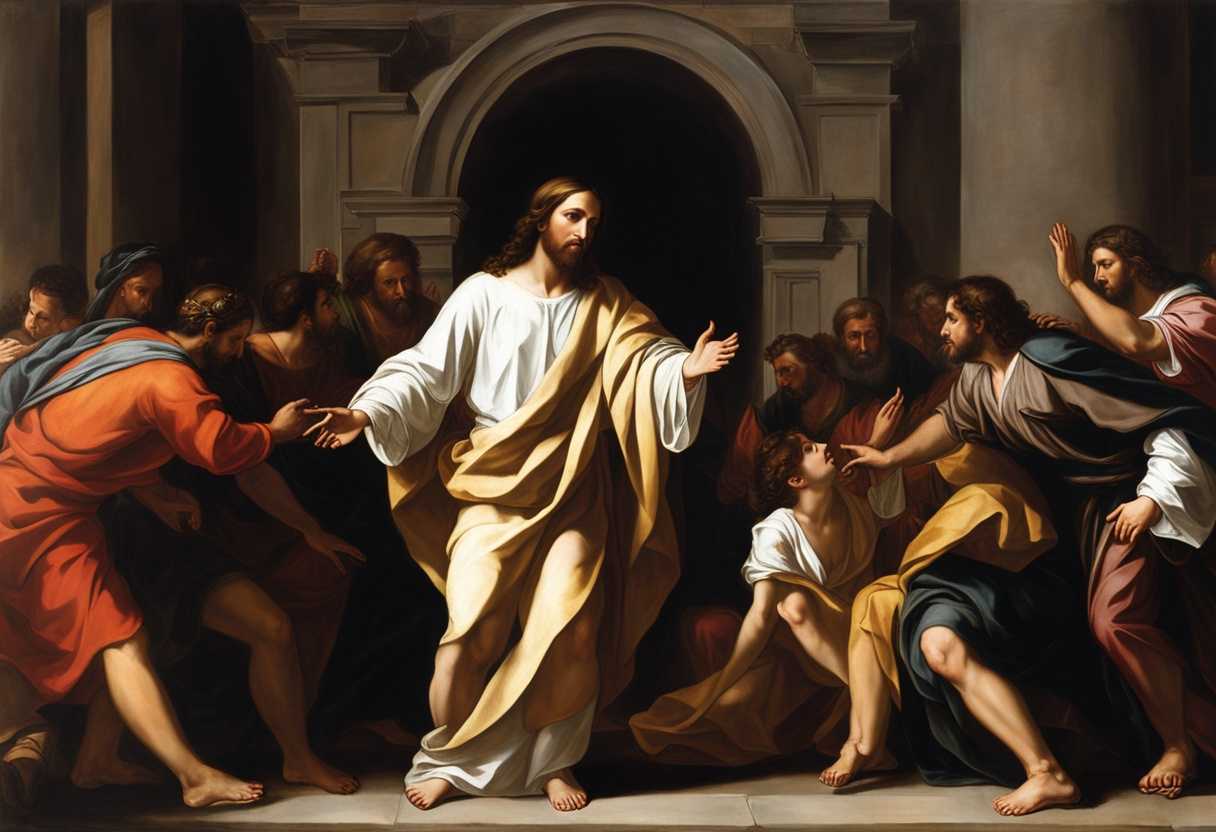
What the Bible Says About “I Never Knew You”
The phrase “I never knew you” appears in Matthew 7:23, where Jesus indicates that despite individuals’ claims of prophesying, casting out demons, and performing miracles in His name, they are not recognized by Him as His followers because they lacked a true relationship and obedience to His teachings. This serves as a warning about the…
-

What the Bible Says About Joint Definitions and Unity
In the Bible, “joint” often refers to a point of connection or unity, signifying the interdependence of individuals within the body of Christ, as seen in passages like 1 Corinthians 12:12-27. It symbolizes how different members work together harmoniously, contributing to the overall function and health of the community. Scripture 1 The hand of the…
-

What the Bible Says About Conjugal Rights
In the Bible, conjugal rights refer to the mutual obligations of intimacy and companionship between married partners, often highlighted in passages like 1 Corinthians 7:3-5, where it emphasizes the importance of giving and receiving marital duty in a way that honors the covenant of marriage. This concept underscores the idea that both spouses hold authority…
-

What the Bible Says About the Definition of “Visit”
In the Bible, “visit” often implies a divine presence or intervention, carrying the connotation of caring, examining, or bringing judgment. It can indicate God’s attention to His creation, such as in the context of blessing, helping, or holding individuals accountable for their actions. Scripture 1 The Lord visited Sarah as he had said, and the…