
Category: Definitions
-

What the Bible Says About the Meaning of Lamented
In the Bible, “lamented” generally refers to expressing deep sorrow or mourning, often in response to loss or tragedy. It signifies a heartfelt cry or grief, as seen in instances like David lamenting the death of Saul and Jonathan (2 Samuel 1:17-27). Scripture 1 Then Joseph fell on his father’s face and wept over him…
-
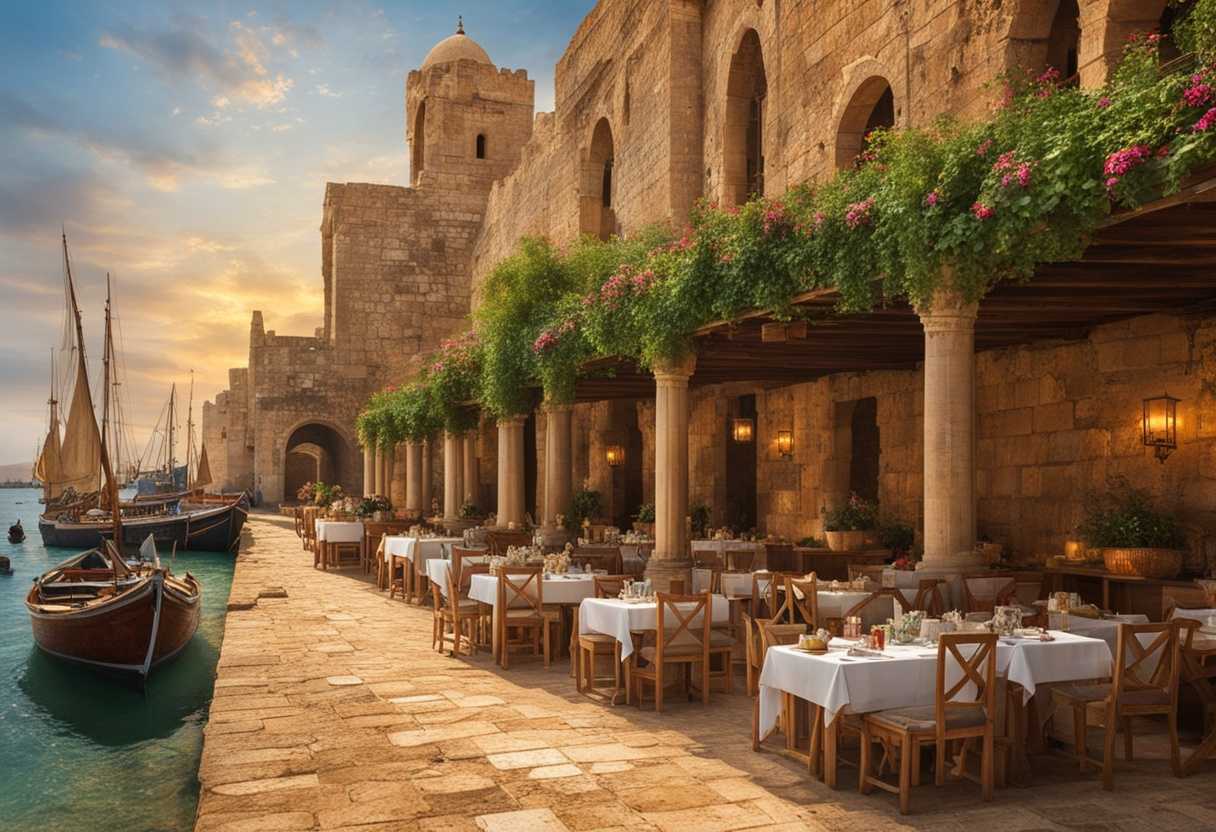
What the Bible Says About Zidon: Meaning and Significance
Zidon, also known as Sidon, is an ancient city mentioned in the Bible, often associated with the Phoenicians and regarded as a center of trade and idolatry. It is located in modern-day Lebanon and is referenced in various biblical passages, notably in relation to the cities of Tyre and the lineage of the Canaanites. Scripture…
-

What the Bible Says About the Nashing of Teeth
In the Bible, “gnashing of teeth” refers to a state of great anguish, despair, or regret, often associated with judgment or punishment, as seen in passages like Matthew 8:12 and Matthew 22:13. It symbolizes a deep emotional response to lost opportunities or the reality of separation from God. Scripture 11 I tell you, many will…
-

What the Bible Says About Corinth: A Definition and Exploration
Corinth, in the Bible, refers to a prominent ancient city in Greece known for its strategic location and commercial significance. It is also the recipient of two letters from the Apostle Paul in the New Testament (1 and 2 Corinthians), addressing issues of faith, morality, and church unity. Scripture 1 After this Paul left Athens…
-

What the Bible Says About Prolific Living
The term “prolific” is not explicitly used in the Bible, but its essence is reflected in passages that speak of abundance, fertility, and fruitful living. For example, in Genesis 1:28, God commands humanity to “be fruitful and multiply,” indicating a divine endorsement of growth and productivity. Scripture 28 And God blessed them. And God said…
-

What the Bible Says About Aijalon: Its Meaning and Significance
Aijalon is a city mentioned in the Bible, located in the territory of the tribe of Dan and later assigned to the tribe of Ephraim. It is known for its association with various biblical events, including being the site where notable figures like Joshua and the Gibeonites interacted, as well as a location mentioned during…
-

What the Bible Says About Smoting the Red Sea: A Means of Escape
In the Bible, “smote the Red Sea” refers to God’s miraculous act of parting the waters of the Red Sea to allow the Israelites to escape from Egypt, as described in Exodus 14:21. The phrase signifies God’s power over nature to deliver His people from bondage. Scripture 21 Then Moses stretched out his hand over…
-

What the Bible Says About the Courtyard: Understanding Its Meaning and Significance
In the Bible, a courtyard often refers to an open, enclosed space adjacent to a building or temple where people gather for various purposes, such as worship, assembly, or communal activities. Notably, the courtyards of the Temple in Jerusalem served as places for prayer and sacrifice, delineating sacred areas from the common spaces. Scripture 9…
-

What the Bible Says About the Meaning of the Book of Eli
“The Book of Eli” is not a book found in the Bible, but it may reference the biblical themes of faith, perseverance, and the preservation of God’s word. Eli, a biblical figure, served as a priest and judge, and his name often symbolizes spiritual authority and guidance. Scripture 1 Behold my servant, whom I uphold,…
-
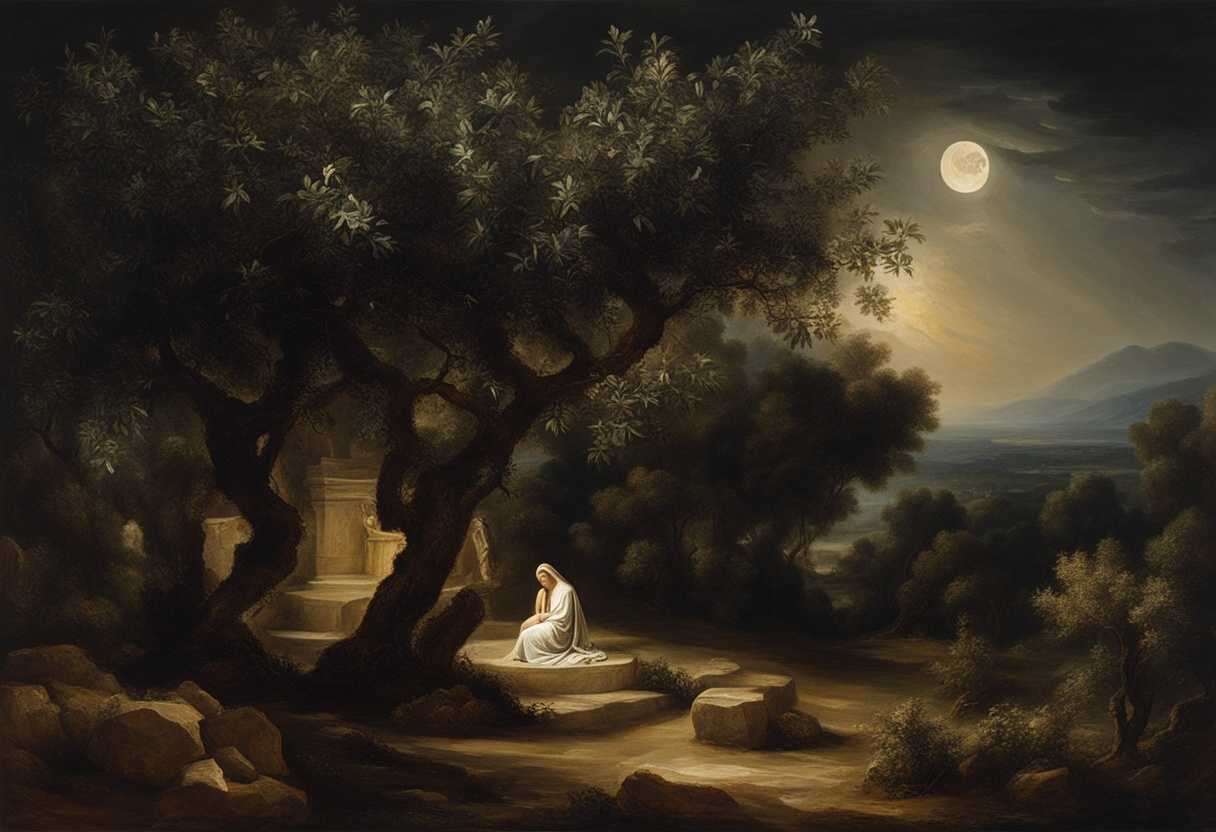
What the Bible Says About the Garden of Gethsemane
The Garden of Gethsemane, located at the foot of the Mount of Olives in Jerusalem, is where Jesus prayed and experienced deep anguish before his crucifixion, as described in the Gospels (Matthew 26:36-46, Mark 14:32-42, Luke 22:39-46). It symbolizes a place of profound struggle, surrender, and submission to God’s will. Scripture 36 Then Jesus went…