
Category: Definitions
-

What the Bible Says About Anastasis: Understanding Its Definition and Significance
In the Bible, “anastasis” is a Greek term meaning “resurrection” or “standing up,” referring primarily to the resurrection of the dead at the end of times or the raising of Christ after His crucifixion. It signifies the hope of eternal life and the triumph over death, as seen in passages like 1 Corinthians 15:20-22. Scripture…
-

What the Bible Says About Slaves Submitting to Their Masters: Understanding the Context and Meaning
In the Bible, slaves submitting to masters is seen as a call for obedience and respect within the hierarchical social structure of the time, as reflected in passages like Ephesians 6:5-8 and Colossians 3:22-24. This submission is often contextualized within the broader Christian principle of serving others as though serving Christ, emphasizing integrity and sincerity…
-

What the Bible Says About the Ontology of Demons
In the Bible, demons are often seen as fallen angels or malevolent spiritual beings that oppose God and seek to influence or possess humans for evil purposes (Matthew 12:24-27; James 2:19). They are characterized by their deceitfulness, power to cause suffering, and desire to lead people away from God (Mark 5:1-20; Ephesians 6:12). Scripture 28…
-

What the Bible Says About Execration: Understanding Its Meaning and Context
In the Bible, “execration” refers to a formal expression of loathing or cursing, often directed towards individuals, nations, or actions that are in direct opposition to God’s will. It is associated with divine judgment and the condemnation of sin, highlighting the seriousness with which God views disobedience. Scripture 15 “‘Cursed be the man who makes…
-
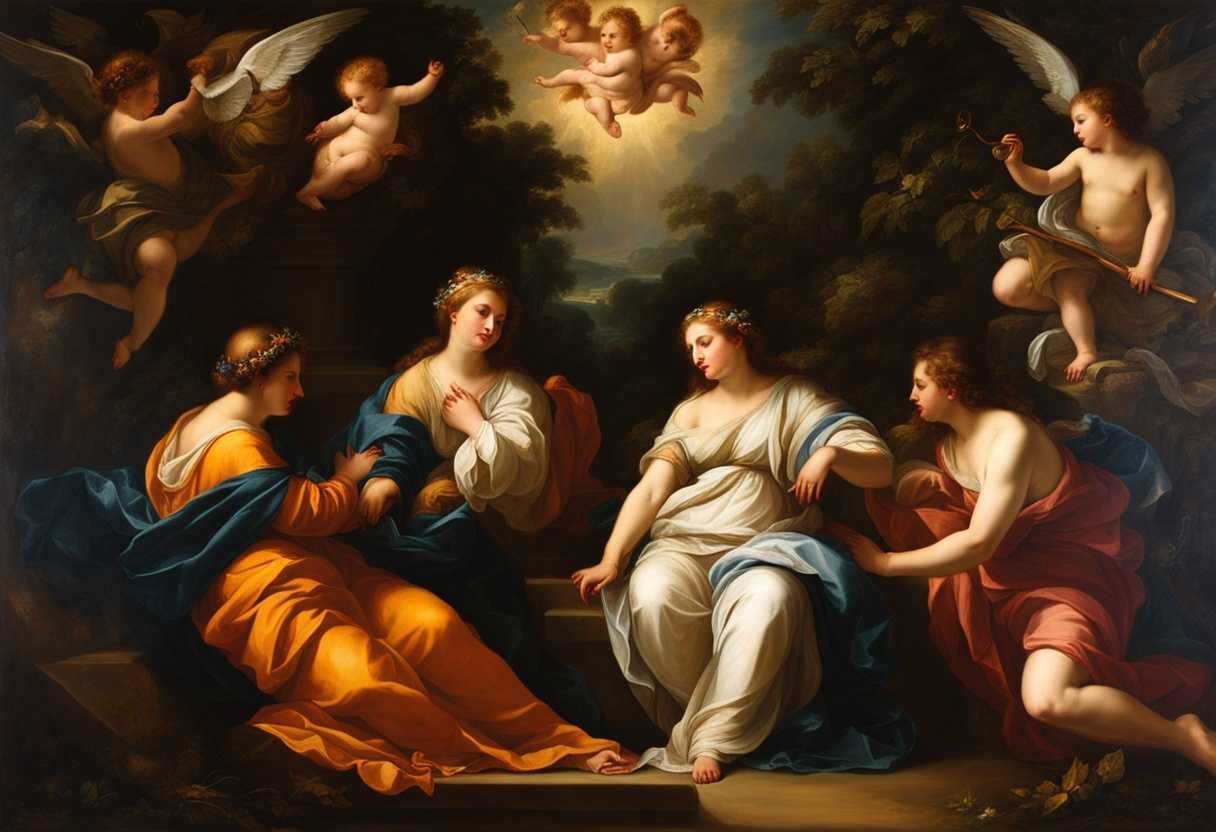
What the Bible Says About Being Alive: A Definition and Exploration
In the Bible, “alive” often signifies a state of physical existence or spiritual vitality, reflecting both the breath of life given by God and the spiritual rebirth through faith in Christ (Genesis 2:7; John 3:3). It emphasizes the idea of being fully engaged in life and the transformative power of God’s spirit (Romans 6:11). Scripture…
-

What the Bible Says About “Let My People Go”
“Let My People Go” refers to God’s command to Pharaoh through Moses, demanding the release of the Israelites from slavery in Egypt, as recounted in the book of Exodus (Exodus 5:1). This phrase signifies God’s desire for freedom and liberation for His people, symbolizing the importance of justice and divine intervention in human affairs. Scripture…
-

What the Bible Says About the Definition of New
In the Bible, “new” often signifies renewal, transformation, or the fulfillment of God’s promises, as seen in concepts like the “new covenant” (Hebrews 8:13) and the “new creation” (2 Corinthians 5:17). It represents a departure from the old ways and an invitation to embrace a fresh start in faith and relationship with God. Scripture 1…
-

What the Bible Says About Continence: A Definition and Exploration
In the Bible, continence refers to self-control and restraint, particularly in relation to sexual desires and impulses. It is often associated with virtue and the ability to remain chaste or temperate, as seen in passages like 1 Corinthians 7:9, which speaks to the importance of self-mastery. Scripture 1 Now concerning the matters about which you…
-

What the Bible Says About the Definition of Want
In the Bible, “want” often refers to a state of lacking or needing something essential, as seen in Psalm 23:1, “The Lord is my shepherd; I shall not want,” which signifies trust in God’s provision. Additionally, it can denote a deeper spiritual yearning for God’s presence and righteousness, as noted in Matthew 5:6, “Blessed are…
-
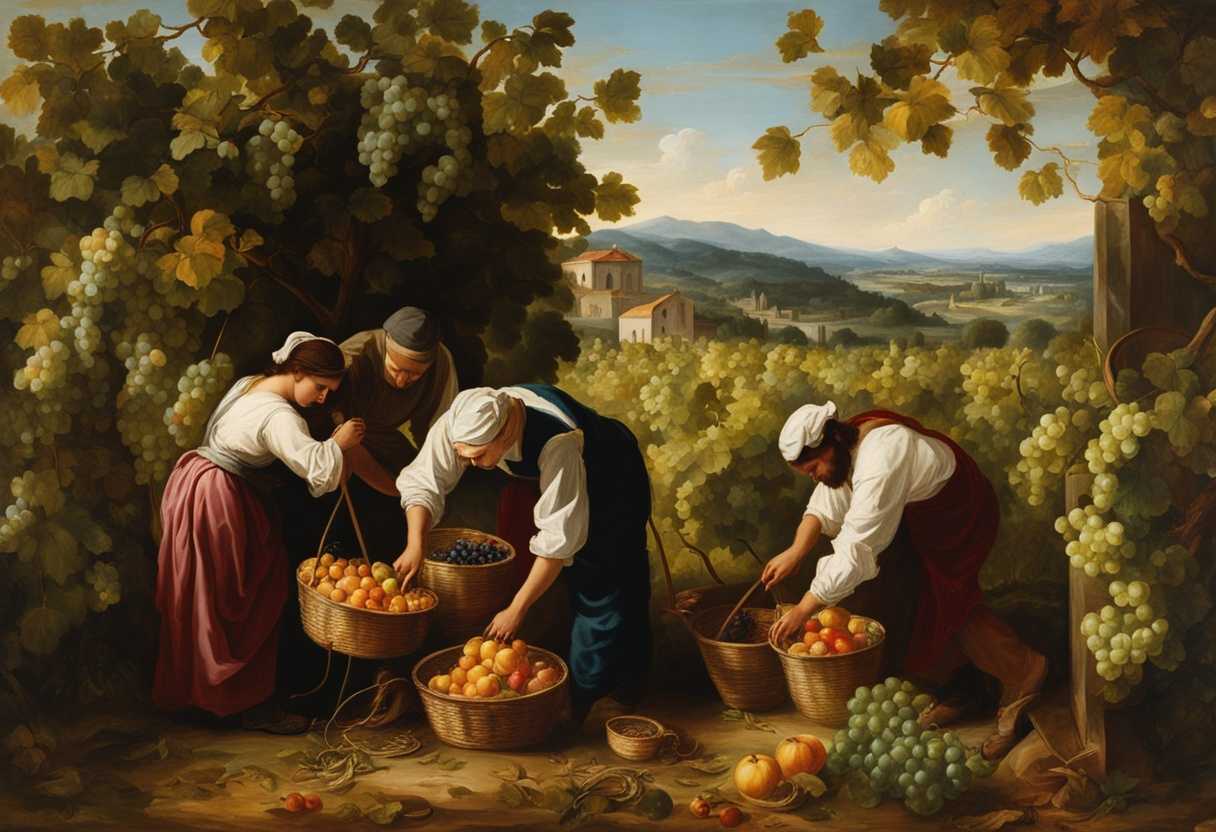
What the Bible Says About the Meaning of “Occupy”
In the Bible, “occupy” generally refers to engaging in productive work or stewardship, often linked to the idea of being faithful in one’s responsibilities. This concept is illustrated in Luke 19:13, where servants are instructed to “occupy till I come,” emphasizing active participation in their master’s affairs until his return. Scripture He said therefore, “A…