
Category: Definitions
-

“What the Bible Says About Amethyst: Symbolism and Significance”
In the Bible, amethyst is one of the stones in the breastplate of the high priest (Exodus 28:19) and is often associated with clarity of mind and spirituality. It symbolizes wisdom and is linked to the divine, reflecting its significance in the foundations of the heavenly city in Revelation 21:20. Scripture 15 “You shall make…
-

What the Bible Says About Visage: Understanding Its Meaning and Significance
In the Bible, “visage” refers to the outward appearance or face of a person, often symbolizing inner emotions or spiritual states. It is used to convey themes of beauty, suffering, or divine judgment, as seen in scriptures like Isaiah 53:2, which describes the appearance of the suffering servant. Scripture 13 Behold, my servant shall act…
-
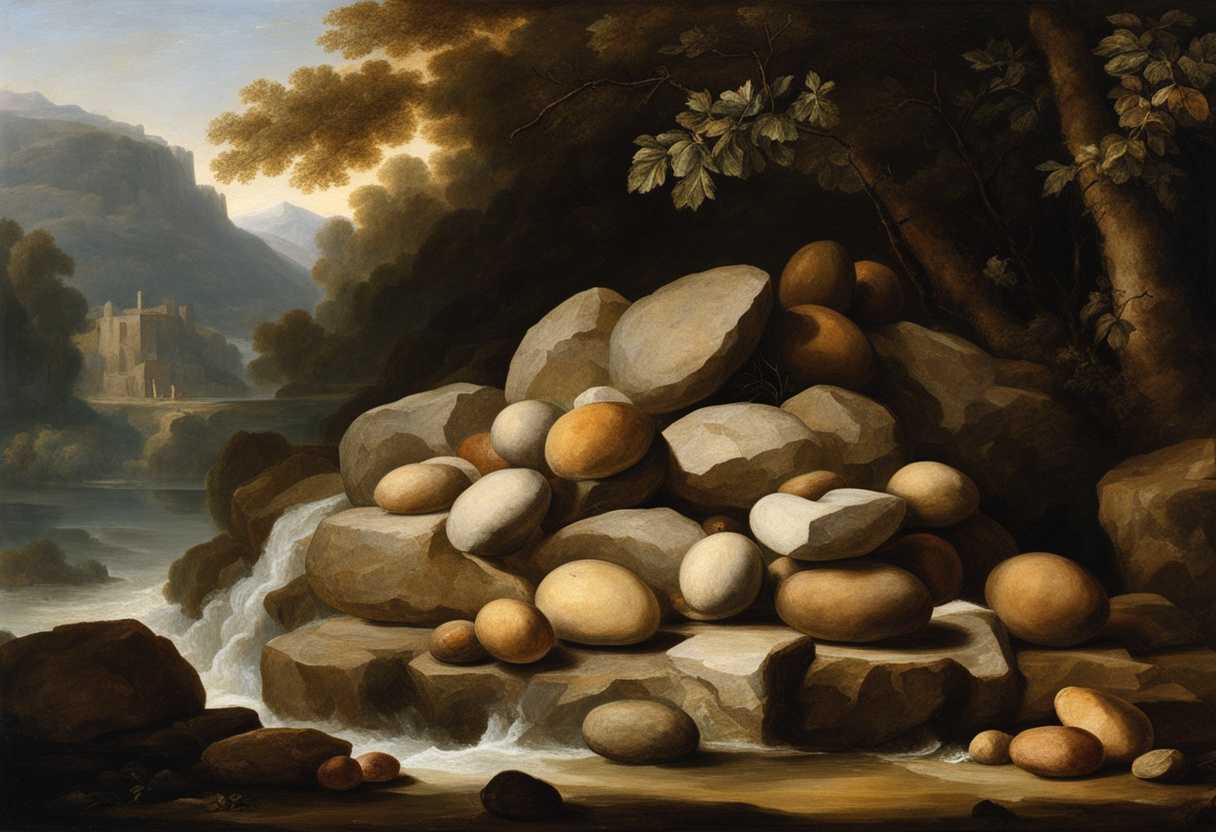
What the Bible Says About a Pile of Rocks: Symbolism and Significance
In the Bible, a pile of rocks often symbolizes a memorial or reminder of a significant event, such as God’s faithfulness or deliverance. For example, in Joshua 4:20-24, the Israelites set up a pile of stones to commemorate their crossing of the Jordan River, serving as a testament to God’s miraculous power and a teaching…
-

What the Bible Says About Hordes: Understanding Their Meaning and Significance
In the Bible, “hordes” often refers to large groups or swarms of people or animals that can signify chaos or overwhelming numbers, typically in the context of armies or plagues. For example, in the context of the locusts in the book of Exodus, they are described as hordes that bring devastation, symbolizing God’s judgement. Scripture…
-

What the Bible Says About the Meaning of Honeycomb
In the Bible, a honeycomb symbolizes sweetness and abundance, often representing the blessings of God and the delights of His Word. It is mentioned in contexts that highlight both physical nourishment and spiritual fulfillment, such as in Proverbs 16:24 and Psalm 19:10. Scripture 24 Gracious words are like a honeycomb, sweetness to the soul and…
-

What the Bible Says About Written Tradition
In the Bible, written tradition refers to the preservation and transmission of sacred texts, such as the Torah and the prophetic writings, which capture the beliefs, laws, and history of the Israelites. This tradition emphasizes the importance of documenting divine revelations and teachings for future generations to understand and follow. Scripture 9 Then Moses wrote…
-
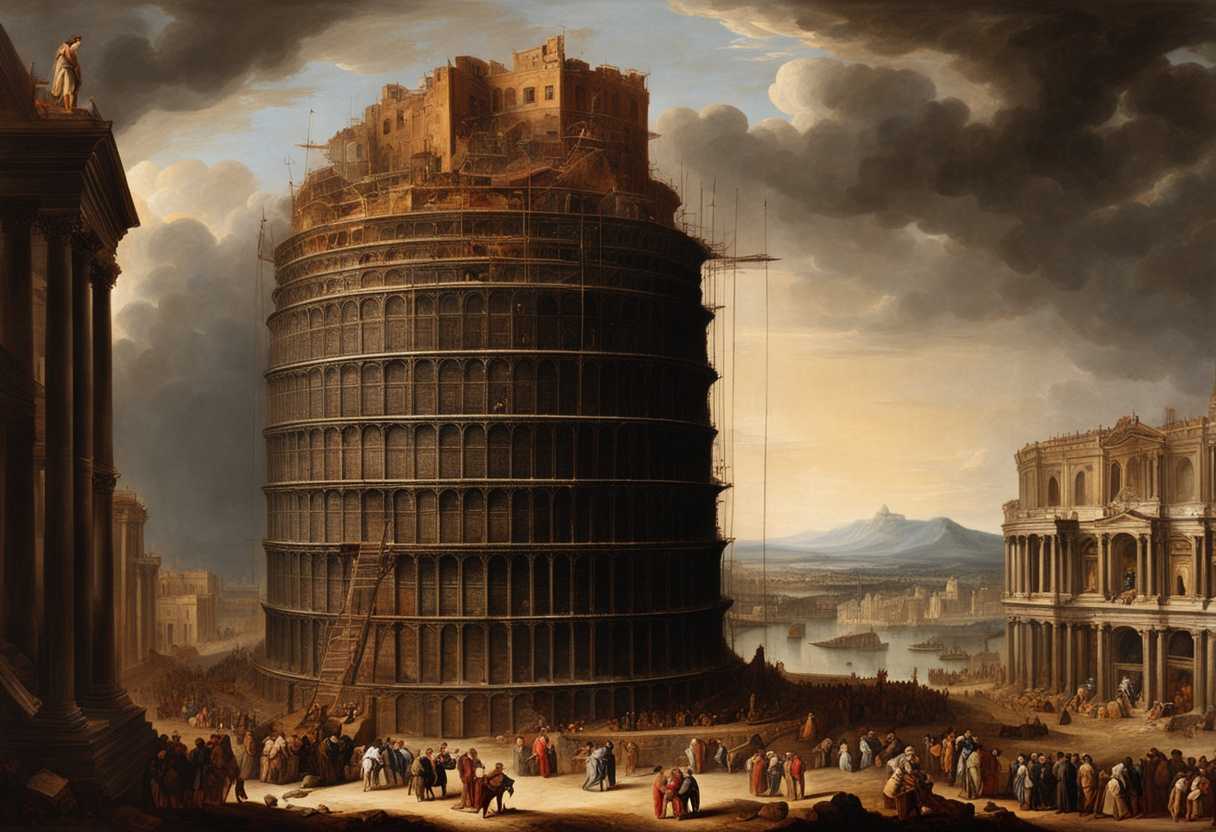
What the Bible Says About Bitumen: Understanding Its Definition and Significance
In the Bible, bitumen (or asphalt) is often referenced as a sticky substance used for waterproofing, notably in Genesis 11:3, where it is used in the construction of the Tower of Babel. It symbolizes earthly craftsmanship and can represent human ambition and effort in contrast to divine plans. Scripture 1 Now the whole earth had…
-

What the Bible Says About the Meaning of the Root “Bibl”
The root “bibl” comes from the Greek word “biblion,” meaning “book” or “scroll.” In a biblical context, it refers to the sacred texts of Christianity, collectively known as the Bible, which encompasses the Old and New Testaments as the authoritative scripture of the faith. Scripture 1 And all the people gathered as one man into…
-
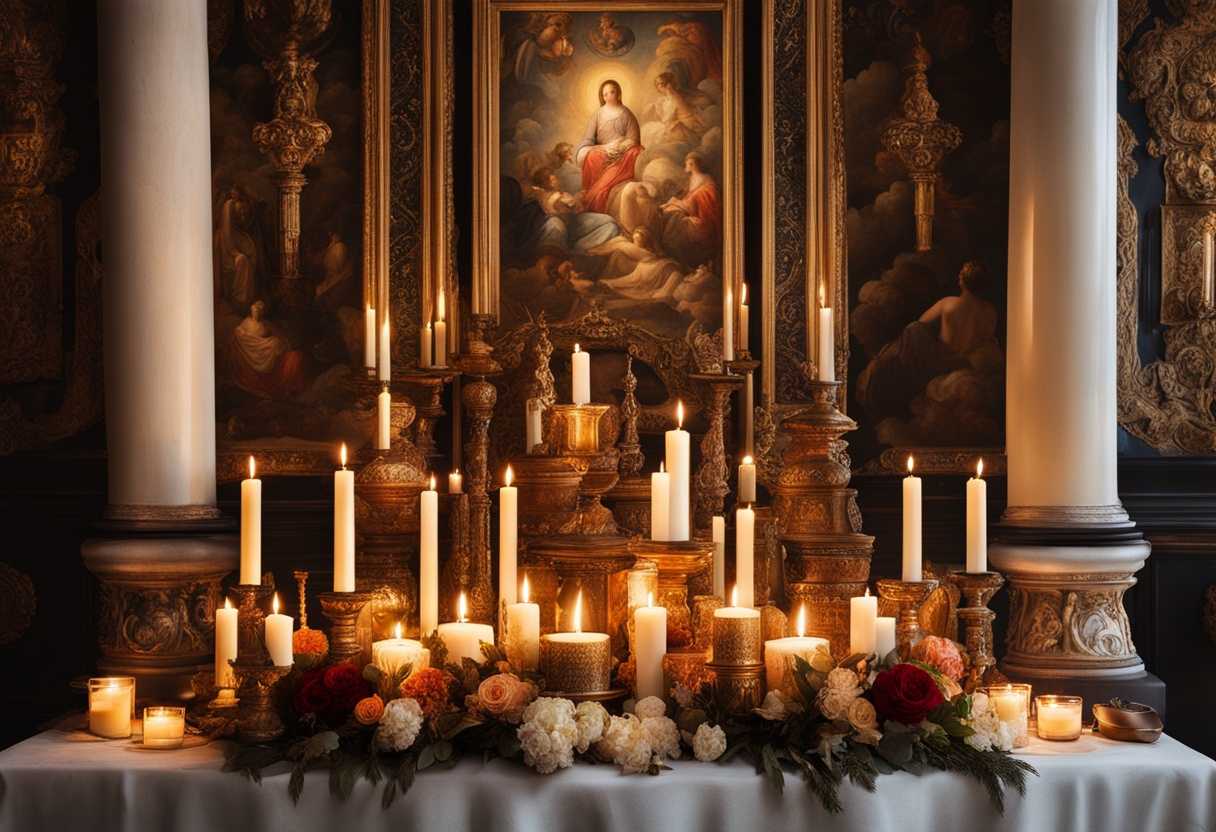
What the Bible Says About Altering Definitions
In the Bible, an “altar” is a sacred structure used for worship and sacrifices, symbolizing a place of encounter between God and humanity. It signifies devotion, atonement, and a means of expressing faith through offerings. Scripture 20 Then Noah built an altar to the Lord and took some of every clean animal and some of…
-

What the Bible Says About Babbling: A KJV Definition
In the King James Version (KJV) of the Bible, “babbling” often refers to incoherent or meaningless talk, particularly in the context of prayer or communication that lacks understanding or sincerity. It is suggested that true communication with God should be sincere and thoughtful, rather than mindless repetition (see Matthew 6:7). Scripture 8 The wise of…