
Category: Definitions
-

What the Bible Says About the Meaning of a Prophetess
In the Bible, a prophetess is a woman who speaks on behalf of God, delivering messages or prophecies to the people. Notable examples include Miriam, Deborah, and Huldah, all of whom played significant roles in conveying divine guidance and instruction. Scripture 20 Then Miriam the prophetess, the sister of Aaron, took a tambourine in her…
-

What the Bible Says About the Jugement Dernier
Le Dernier Jugement, dans la Bible, se réfère au moment où Dieu jugera tous les êtres humains à la fin des temps, selon leurs actions et leur foi (Apocalypse 20:11-15). Ce jugement déterminera leur destinée éternelle, soit en vie éternelle avec Dieu, soit en séparation éternelle. Scripture 31 “When the Son of Man comes in…
-

What the Bible Says About the Holy Ghost: Definition and Significance
The Holy Ghost, or Holy Spirit, is the third person of the Trinity, representing God’s presence and action in the world. In the Bible, the Holy Spirit is associated with guidance, empowerment, and the impartation of spiritual gifts to believers, as seen in passages like John 14:26 and Acts 2:4. Scripture 15 “If you love…
-

What the Bible Says About Being Equipped
In the Bible, being “equipped” often refers to being prepared or supplied with the necessary tools or resources to fulfill a task or purpose, often in the context of spiritual readiness. This concept is illustrated in 2 Timothy 3:17, which states that Scripture equips believers for every good work. Scripture 16 All Scripture is breathed…
-

What the Bible Says About Hoar Hairs: Wisdom and Age
In the Bible, “hoar hairs” refers to gray or white hairs, symbolizing old age and wisdom. It is often associated with the idea of respect for the elderly, as seen in verses like Leviticus 19:32, which encourages honoring the gray-haired. Scripture 38 But he said, “My son shall not go down with you, for his…
-

What the Bible Says About Offending: A Greek Perspective
In the Bible, the Greek term for “offending” often comes from the word “skandalon,” which refers to a stumbling block or trap that causes someone to fall into sin or temptation. It signifies actions or behaviors that lead others away from righteousness or cause them to sin. Scripture 6 but whoever causes one of these…
-
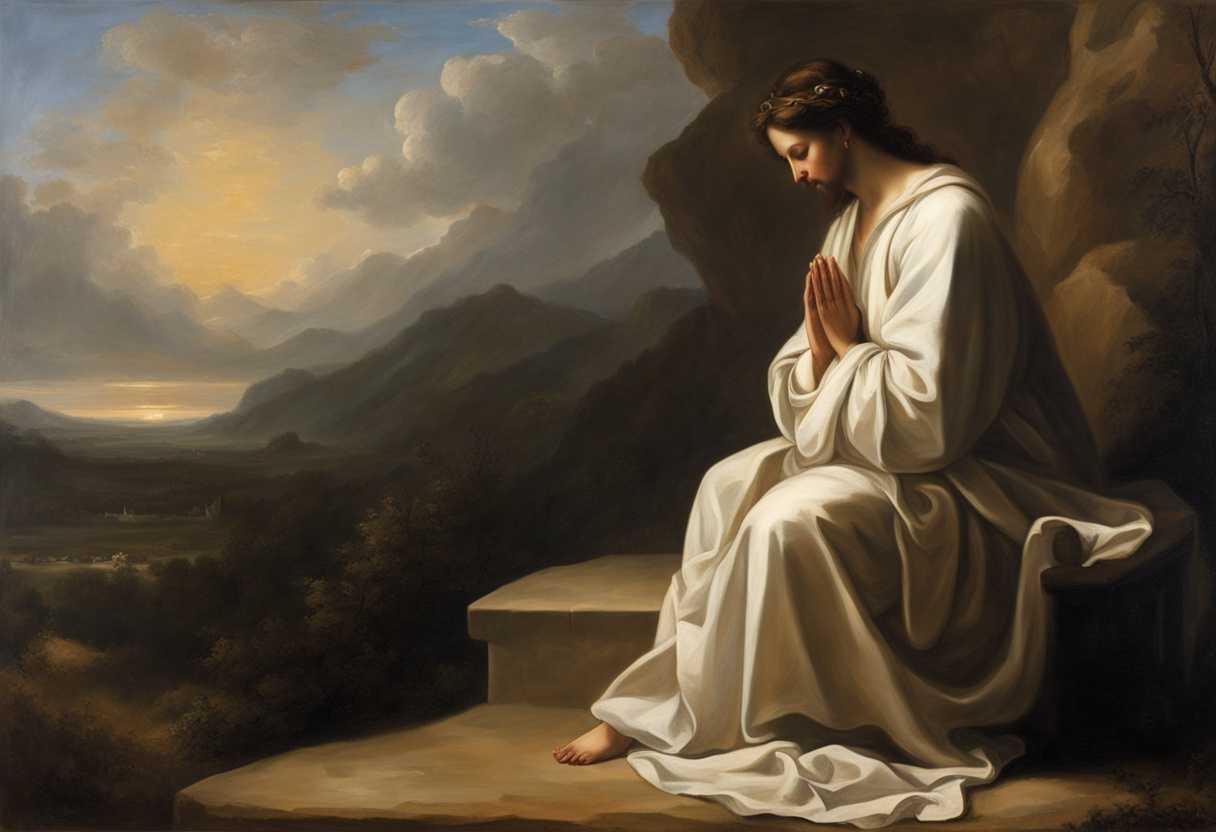
What the Bible Says About Singleness: A Definition and Perspective
In the Bible, singleness is often viewed as a state of being unmarried and can be seen as a gift from God (1 Corinthians 7:7). It allows individuals to devote their lives more fully to serving God and others without the distractions of marital responsibilities (1 Corinthians 7:32-35). Scripture 7 I wish that all were…
-

What the Bible Says About Translations Affecting the Integrity of Original Meaning
The impact of Bible translations on original meaning can be significant, as variations in language, cultural contexts, and interpretive choices can alter the nuances of scripture. Different translations may emphasize varying theological concepts, potentially leading to different understandings among readers and denominations. Scripture 2 You shall not add to the word that I command you,…
-

What the Bible Says About the Sea: Definitions and Symbolism
In the Bible, the sea often symbolizes chaos, danger, and the unknown, as seen in various passages where it represents God’s judgment or the tumultuous nature of life. However, it can also signify God’s power and sovereignty, exemplified in stories where He calms the sea or parts waters to deliver His people. Scripture 9 And…
-

What the Bible Says About Marriage: A King James Perspective
In the King James Bible, marriage is defined as a divinely instituted union between a man and a woman, intended for companionship, intimacy, and the procreation of children, as reflected in Genesis 2:24: “Therefore shall a man leave his father and mother, and shall cleave unto his wife: and they shall be one flesh.” Scripture…