
Category: Definitions
-

What the Bible Says About Bitter Herbs: Understanding Their Meaning
In the Bible, bitter herbs (Hebrew: “maror”) symbolize the bitterness and suffering of slavery in Egypt, particularly during the Passover meal (Exodus 12:8). They serve as a reminder of the Israelites’ harsh conditions before their liberation and are traditionally eaten to commemorate this experience. Scripture 8 They shall eat the flesh that night, roasted on…
-

What the Bible Says: A Quick Reference to the Meaning of Numbers
Bible numerology refers to the symbolic meanings of numbers in scripture, where specific numbers often carry spiritual significance. For example, the number 7 represents completeness or perfection, while the number 40 often signifies a period of testing or trial. Scripture 1 In the beginning, God created the heavens and the earth. 2 The earth was…
-

What the Bible Says About the Meaning of a Lantern
In the Bible, a lantern symbolizes guidance, illumination, and knowledge. It often represents the light of God’s truth and the moral direction provided to believers, as seen in passages like Matthew 5:15-16, where believers are called to let their light shine before others. Scripture 23 For the commandment is a lamp and the teaching a…
-

What the Bible Says About Beauty: A Definition and Exploration
In the Bible, beauty is often associated with inner qualities rather than outward appearance, emphasizing attributes such as a gentle and quiet spirit (1 Peter 3:3-4) and the moral character of individuals (Proverbs 31:30). True beauty is depicted as reflecting one’s relationship with God and one’s virtues, rather than mere physical traits. Scripture 26 Then…
-

What the Bible Says About Spikenard: Its Meaning and Significance
Spikenard in the Bible refers to a fragrant oil derived from the nard plant, often associated with luxury and used for anointing. It is notably mentioned in the accounts of Mary anointing Jesus’ feet with spikenard in John 12:3, symbolizing devotion and reverence. Scripture 12 While the king was on his couch, my nard gave…
-

What the Bible Says About Proposal: Understanding Its Definition and Significance
In the Bible, a proposal often refers to the act of offering a formal request, typically for marriage, which is an intention to enter into a covenant relationship. This is exemplified in instances where suitors seek the father’s blessing for the hand of his daughter, emphasizing commitment and responsibility. Scripture 12 And he said, “O…
-

What the Bible Says About Ropes Used for Lifting Sails
In the Bible, ropes are often symbolic of strength and binding, representing the ties that connect individuals to one another and to God. In the context of sails, ropes signify support and reliance, essential for navigating life’s journey and carrying out God’s will amidst turbulent waters. Scripture 23 Your cords hang loose; they cannot hold…
-
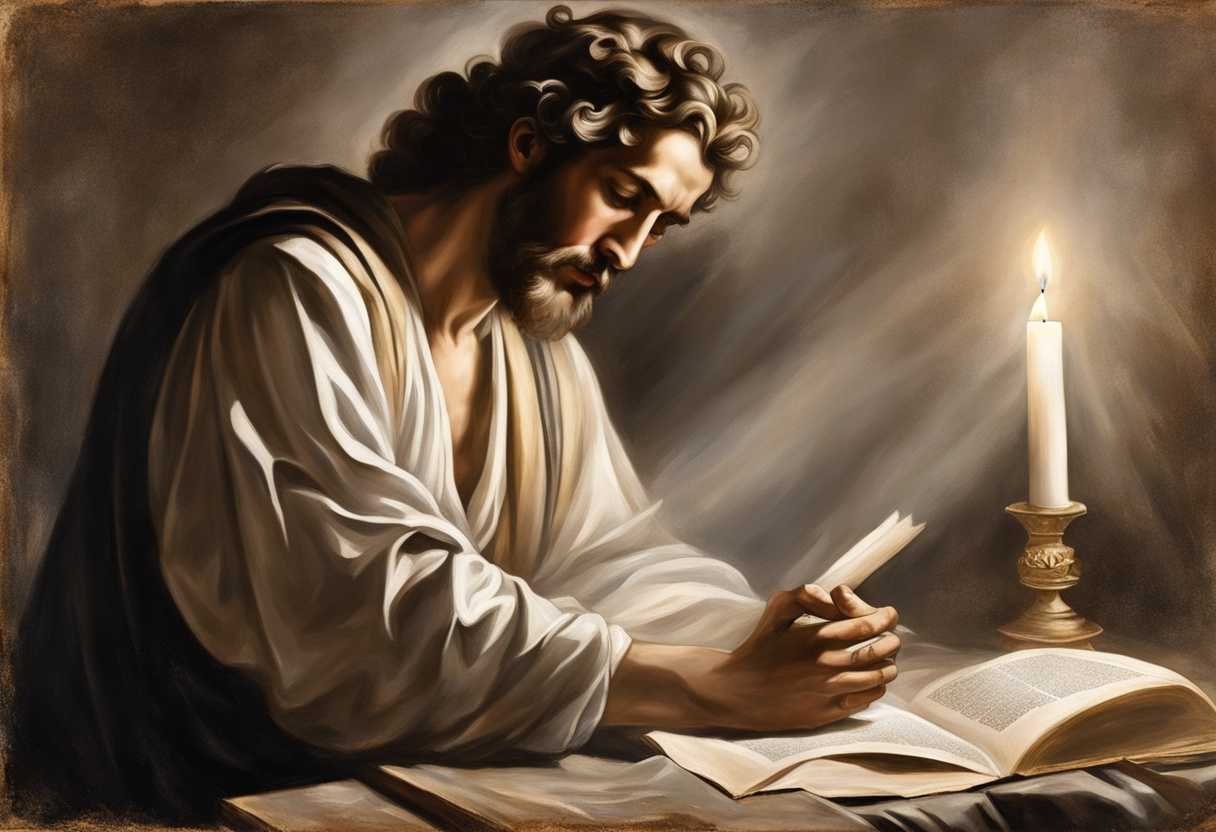
What the Bible Says About Being Accounted For
In the Bible, “accounted” refers to being considered or regarded in a certain way, often in the context of faith, righteousness, or judgment. For example, in Romans 4:3, Abraham’s faith was “accounted” as righteousness, meaning he was recognized as righteous due to his belief. Scripture 1 After these things the word of the Lord came…
-

What the Bible Says About the Coat of Mail
In the Bible, a coat of mail refers to a type of armor made of interlinked metal rings or plates, symbolizing protection and strength in battle. It is notably mentioned in the context of warriors, such as in 1 Samuel 17:5, describing Goliath’s armor, reflecting the importance of physical protection in warfare. Scripture 4 And…
-

What the Bible Says About Harken: Understanding Its Meaning and Significance
In the Bible, “harken” means to listen attentively or to heed what is being said, often in the context of obeying God’s word or commands. It emphasizes the importance of responsiveness to divine instruction, as seen in verses like Deuteronomy 6:4, where believers are urged to listen and follow God’s teachings. Scripture 3 Hear therefore,…