
Category: Definitions
-
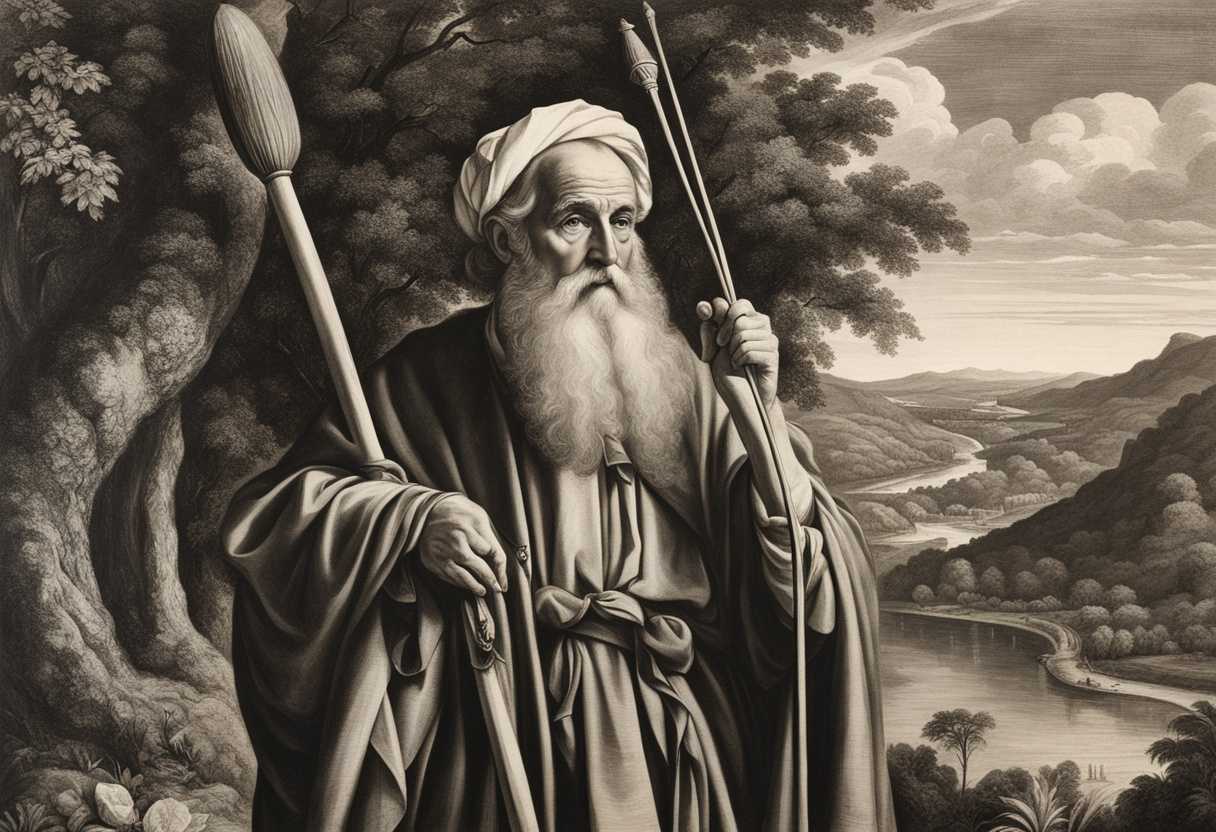
What the Bible Says About the Meaning of Jephunneh
In the Bible, Jephunneh is a name that means “he will be increased” or “he will be spared.” He is best known as the father of Caleb, one of the twelve spies sent by Moses to explore the land of Canaan, and is associated with the themes of faithfulness and perseverance in trusting God’s promises…
-

What the Bible Says About Betrothal
In the Bible, “betroth” refers to a formal engagement or promise of marriage, signifying a binding commitment between a man and a woman, often seen as being almost equivalent to marriage itself (Deuteronomy 22:23-24). This period was taken very seriously in Jewish culture, with implications of fidelity and legal obligations. Scripture 16 “If a man…
-
What the Bible Says About Kenaz: Meaning and Significance
In the Bible, Kenaz is a name that appears in the genealogies of the tribes of Judah and represents a notable family line. Kenaz is also mentioned as a descendant of Esau, indicating a connection to the Edomites (Genesis 36:11). Scripture 17 And Othniel the son of Kenaz, the brother of Caleb, captured it. And…
-

What the Bible Says About Mortification
In the Bible, “mortify” refers to the act of putting to death or suppressing sinful desires and behaviors, as seen in Romans 8:13, where believers are urged to “mortify the deeds of the body” through the Spirit. It emphasizes a spiritual discipline aimed at achieving holiness and alignment with God’s will. Scripture 12 So then,…
-

What the Bible Says About the Meaning of Meekal
The term “Meekal” does not appear in the Bible as a recognized term or name. However, in biblical context, “meek” refers to humility and gentleness, often associated with a reliance on God, as in Matthew 5:5, which states, “Blessed are the meek, for they shall inherit the earth.” Scripture 3 “Blessed are the poor in…
-
What the Bible Says About Ceasing
In the Bible, “ceasing” often refers to stopping or ending a particular action, such as in Sabbath rest, where God commanded His people to cease from their labors (Exodus 20:8-11). It can also signify a pause in spiritual struggles or a call to turn away from sin, emphasizing the importance of rest and reflection in…
-
What the Bible Says About Naod: Understanding Its Meaning
In the Bible, “Naod” is mentioned in 1 Samuel 10:5 as a location associated with the “company of prophets” where the Spirit of the Lord would come upon Saul. It signifies a place connected to prophetic activity and divine inspiration. Scripture 7 who came with Zerubbabel, Jeshua, Nehemiah, Azariah, Raamiah, Nahamani, Mordecai, Bilshan, Mispereth, Bigvai,…
-

What the Bible Says About Upbraideth: Definition and Meaning
In the Bible, “upbraideth” refers to the act of reproaching or reprimanding someone, often expressing disapproval or criticism. It is used to convey a sense of scolding or admonishing, as seen in James 1:5 where it indicates that God does not criticize those who seek wisdom. Scripture 5 If any of you lacks wisdom, let…
-

What the Bible Says About the Meaning of Queen Esther
Queen Esther, in the Bible, is a Jewish woman who becomes the queen of Persia and uses her position to save her people from genocide. Her story, found in the Book of Esther, exemplifies courage, faith, and divine providence, highlighting themes of bravery and the impact of individual actions in the face of adversity. Scripture…
-

What the Bible Says About Majesty
In the Bible, “majestic” describes the grandeur and magnificence of God’s nature and creation, reflecting His supreme power and authority. It emphasizes the awe-inspiring beauty and holiness found in God’s presence, often seen in passages that highlight His sovereignty over the universe (e.g., Psalm 93:1). Scripture 1 O Lord, our Lord, how majestic is your…