
Category: Definitions
-

What the Bible Says About Pity: A Definition and Exploration
In the Bible, pity is often associated with compassion and mercy towards those who are suffering or in need. It reflects a deep empathetic response to the plight of others, as seen in passages like Psalm 103:13, which describes God having compassion on those who fear Him. Scripture 16 And you shall consume all the…
-

What the Bible Says About Open Vision: Understanding Its Meaning
In the Bible, “open vision” refers to a supernatural revelation where a person perceives spiritual truths or messages from God with clarity and vividness, often involving visions or dreams. It signifies a direct communication from God, as seen in accounts such as those of prophets like Ezekiel and Daniel. Scripture 3 Now the boy Samuel…
-

What the Bible Says About the Pharisees: Their Meaning and Significance
In the Bible, the Pharisees were a prominent religious group during Jesus’ time, known for their strict adherence to the Law of Moses and oral traditions. They often clashed with Jesus over interpretations of the law and matters of faith, emphasizing external piety while sometimes neglecting deeper ethical principles. Scripture 1 Then Jesus said to…
-

What the Bible Says About Satyrs: Understanding Their Meaning
In the Bible, satyrs are often associated with desolation and are mentioned in passages such as Isaiah 13:21 and Isaiah 34:14, where they are described as creatures inhabiting deserted places. The term can denote a sense of wild, untamed nature and is sometimes linked to pagan imagery and idolatry. Scripture 19 And Babylon, the glory…
-

What the Bible Says About Selfish Ambition
In the Bible, selfish ambition refers to a desire for personal gain or recognition that prioritizes one’s interests over the well-being of others, often leading to strife and divisions. It is cautioned against in passages like Philippians 2:3, which encourages humility and valuing others above oneself. Scripture 3 Do nothing from selfish ambition or conceit,…
-

What the Bible Says About Tartarus: Understanding Its Meaning and Significance
Tartarus, in the Bible, refers to a deep abyss or a place of confinement for the wicked, particularly mentioned in 2 Peter 2:4, where it describes the imprisonment of fallen angels. It is often associated with punishment and is distinct from Hell, indicating a state of restraint rather than final judgment. Scripture 4 For if…
-

What the Bible Says About the Definition of a Preacher
In the Bible, a preacher is one who proclaims the gospel and teaches the Word of God, serving as a messenger of Christ’s message (1 Timothy 2:7). Preachers are often seen as shepherds of the congregation, guiding and edifying believers in their faith (Ephesians 4:11-12). Scripture 1 The words of the Preacher, the son of…
-
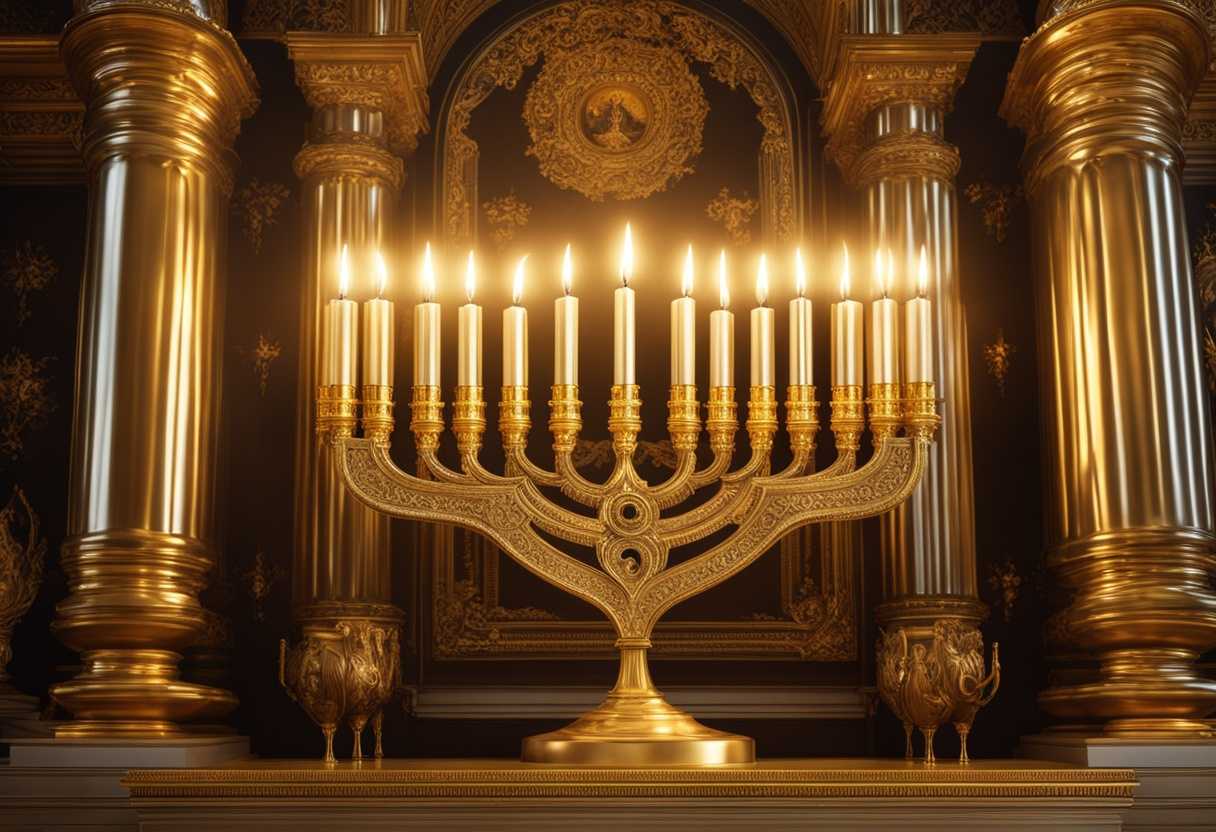
What the Bible Says About the Menorah: Its Meaning and Significance
The Menorah, a seven-branched lampstand made of pure gold, symbolizes God’s eternal light and presence among His people. It is a prominent feature in the Tabernacle and later in the Temple, representing spiritual illumination and the divine commandments. Scripture 31 “You shall make a lampstand of pure gold. The lampstand shall be made of hammered…
-

What the Bible Says About Disobedience: A Definition and Its Consequences
In the Bible, disobedience refers to the failure to follow God’s commands and instructions, often resulting in sin and separation from God. It is depicted as a rejection of God’s authority, leading to consequences for individuals and communities, as illustrated in passages such as Deuteronomy 11:26-28 and Romans 5:19. Scripture 15 “But if you will…
-

What the Bible Says About the Strait Gate: Understanding Its Meaning
In the Bible, the “strait gate” refers to the narrow path leading to salvation, as mentioned in Matthew 7:13-14. It symbolizes the challenges and sacrifices required to follow Jesus and attain eternal life, contrasting with the wider, easier path that leads to destruction. Scripture 13 “Enter by the narrow gate. For the gate is wide…