
Category: Definitions
-

What the Bible Says About the Meaning of Reverend
The term “Reverend” does not appear in the Bible; however, it is often used to denote respect for clergy, indicating a position of honor and authority within the church. In a biblical sense, reverence is attributed to God, as seen in Psalm 111:9, where it refers to a deep respect and awe for the Lord’s…
-

What the Bible Says About Luminaries: Understanding Their Meaning
In the Bible, “luminaries” refers to the celestial bodies that provide light, primarily the sun and the moon. They are often seen as symbols of God’s creation and serve to distinguish day from night, as indicated in Genesis 1:14-19. Scripture 14 And God said, “Let there be lights in the expanse of the heavens to…
-

What the Bible Says About Avarice: Understanding Greed in Scripture
Avarice, often equated with greed, is described in the Bible as an insatiable desire for wealth or material possessions that leads individuals away from God and their moral responsibilities. It is warned against in scriptures like 1 Timothy 6:10, which states, “For the love of money is the root of all evil.” Scripture 20 A…
-

What the Bible Says About Parakletos: Understanding Its Meaning and Significance
In the Bible, “Parakletos” (often translated as “Comforter” or “Advocate”) refers to the Holy Spirit, who is sent to guide, teach, and support believers (John 14:16, 26). The term denotes someone who comes alongside to provide help and encouragement in spiritual matters. Scripture 15 “If you love me, you will keep my commandments.” 16 And…
-
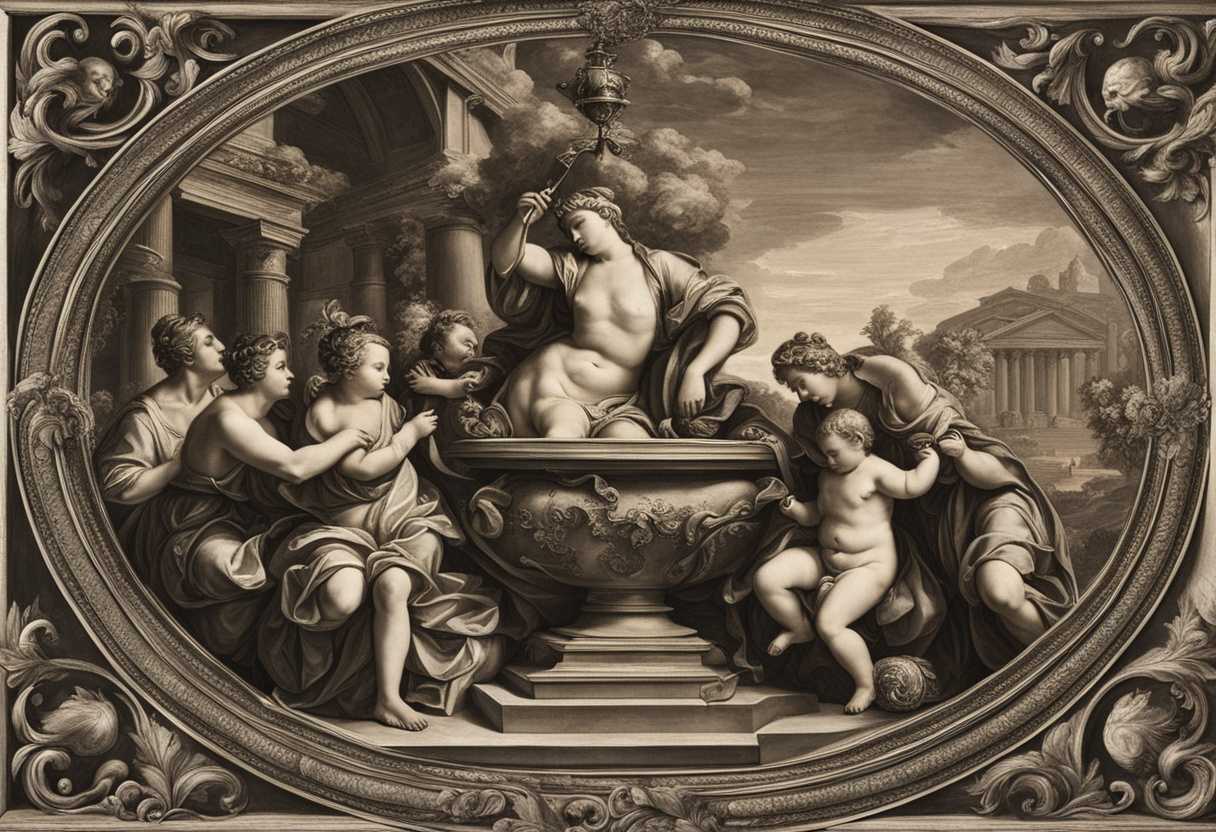
What the Bible Says About Talent: Understanding Its Meaning and Purpose
In the Bible, a talent is a unit of weight and measure, often associated with a significant sum of money. It is notably mentioned in the Parable of the Talents (Matthew 25:14-30), symbolizing the gifts and abilities given by God to individuals, which they are expected to use and multiply for His glory. Scripture 14…
-
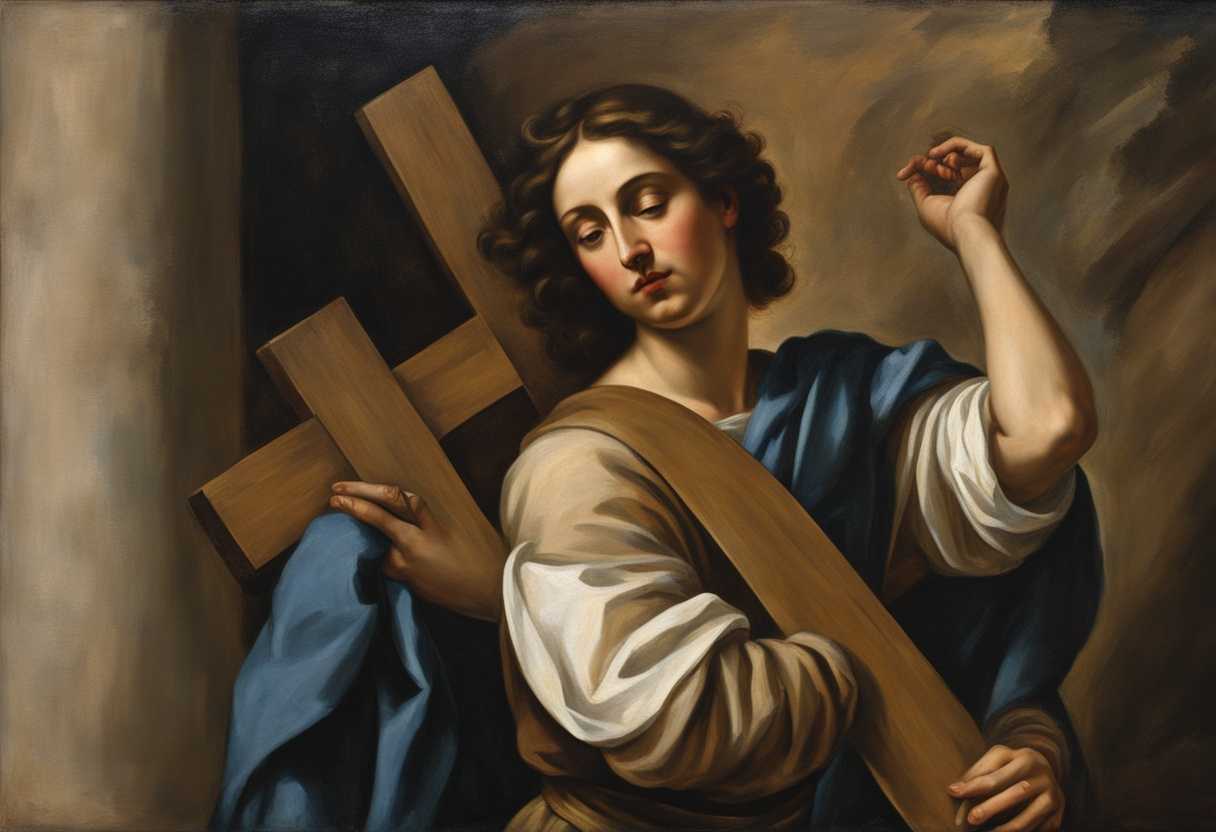
What the Bible Says About the Meaning of Self-Denial
In the Bible, self-denial refers to the act of putting aside one’s own desires and ambitions in order to follow God’s will and serve others. It is often associated with taking up one’s cross, as seen in Matthew 16:24, where Jesus teaches that true discipleship involves denying oneself to fully embrace a life of faith…
-

What the Bible Says About Charisma: A Definition and Exploration
In the Bible, “charisma” refers to a spiritual gift or ability given by the Holy Spirit for the edification of the church and the service of others. It emphasizes empowerment and grace rather than human merit, as seen in passages such as Romans 12:6-8 and 1 Corinthians 12. Scripture 6 Having gifts that differ according…
-

What the Bible Says About the Meaning of Tetragrammaton
The Tetragrammaton refers to the four Hebrew letters YHWH (יהוה) that represent the divine name of God in the Hebrew Bible. It is often translated as “LORD” in English versions and signifies the eternal, self-existent nature of God. Scripture 13 Then Moses said to God, “If I come to the people of Israel and say…
-

What the Bible Says About Idolater: Understanding Its Definition and Implications
In the Bible, an idolater is someone who worships idols or false gods, turning away from true devotion to the God of Israel. This practice is condemned throughout scripture, emphasizing that loyalty to God should exclude all forms of idolatry (Exodus 20:3-5; 1 Corinthians 10:14). Scripture 3 “You shall have no other gods before me.…
-

What the Bible Says About the Narrow Door: Understanding Its Meaning
In the Bible, the “narrow door” refers to the challenging path to salvation and eternal life, emphasizing the need for commitment and righteousness (Luke 13:24). It illustrates that few choose to follow this path, contrasting with the wider, easier way that leads to destruction. Scripture 13 “Enter by the narrow gate. For the gate is…