
Category: Definitions
-
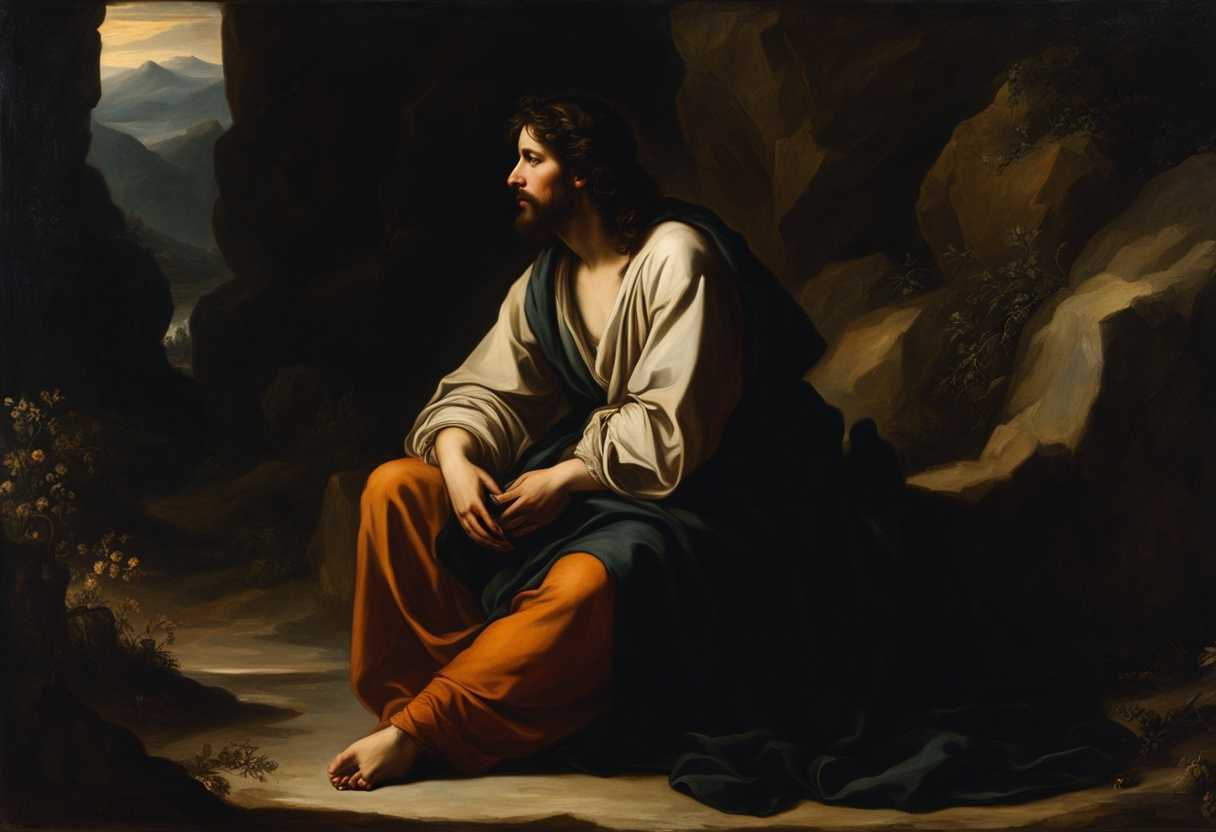
What the Bible Says About the Tempter: Understanding Its Definition and Role
In the Bible, a “tempter” refers to one who entices or leads others into sin or temptation, often associated with Satan or demonic forces. The most notable example is found in Matthew 4:3, where the devil approaches Jesus to provoke Him into disobedience. Scripture 1 Now the serpent was more crafty than any other beast…
-

What the Bible Says About the Meaning of Life in System of a Down’s Lyrics
System of a Down often incorporates biblical references in their lyrics to explore themes of social justice, war, and human suffering. For instance, their song “Revenga” contains allusions to concepts like vengeance and moral conflict, which can be related to biblical narratives about justice and retribution. Scripture 1 In the beginning, God created the heavens…
-

What the Bible Says About Unmerited Grace
Unmerited grace, often referred to as “grace,” is God’s unearned favor and love bestowed upon humanity, particularly through the sacrificial death of Jesus Christ for the forgiveness of sins (Ephesians 2:8-9). It emphasizes that salvation is a gift from God, not earned by human effort, but freely given to those who believe. Scripture 8 But…
-

What the Bible Says About the Definition of a Bastard Child
In the Bible, a “bastard” refers to a child born out of wedlock or illegitimate in terms of family status, as seen in Deuteronomy 23:2, which states that a bastard shall not enter into the congregation of the Lord. The term underscores the social stigma and legal restrictions surrounding such children in ancient Israelite society.…
-
What the Bible Says About Means of Grace
In Scripture, the means of grace refer to the avenues through which God imparts His grace to believers, primarily through the Word of God, sacraments (such as baptism and communion), and prayer. These means nurture and strengthen the faith of Christians and foster a deeper relationship with God (Acts 2:42; 1 Peter 2:2). Scripture 42…
-
What the Bible Says About Church Growth
In the Bible, church growth can be understood as the increase in both the number of believers and spiritual maturity within the community of faith, often reflecting the effectiveness of evangelism and discipleship efforts (Acts 2:47; Ephesians 4:15-16). The growth is attributed to God’s work through the Holy Spirit and the obedience of believers to…
-

What the Bible Says About Heavenward Aspirations
In the Bible, “heavenward” refers to the direction towards heaven or the spiritual realm associated with God and eternal life. It signifies a focus on divine values, the pursuit of spiritual growth, and the longing for unity with God, as seen in passages like Colossians 3:2, which encourages believers to set their minds on heavenly…
-

What the Bible Says About Falsehood: Understanding Deception in Scripture
In the Bible, falsehood refers to lies, deceit, or anything that misrepresents the truth, as seen in Proverbs 12:22, which states that “the LORD detests lying lips, but he delights in people who are trustworthy.” Falsehood is often associated with sin and a departure from God’s truth. Scripture 16 There are six things that the…
-

What the Bible Says About Sleep: A KJV Perspective
In the KJV Bible, “sleep” often symbolizes a state of rest or peaceful inactivity, as seen in Ecclesiastes 5:12, which states that “the sleep of a laboring man is sweet.” Additionally, it can also refer to death, as in 1 Thessalonians 4:13, where believers who have died are described as “asleep in Jesus,” indicating a…
-
What the Bible Says About Incest: Definitions and Teachings
In the Bible, incest is defined as sexual relations between close relatives, which is prohibited in several passages, notably in Leviticus 18 and 20. These laws emphasize the importance of maintaining familial boundaries and moral purity within the community. Scripture 6 “None of you shall approach any one of his close relatives to uncover nakedness.…