
Category: Definitions
-

What the Bible Says About the Meaning of Philistine
In the Bible, the Philistines are depicted as a rival group to the Israelites, known for their conflicts with them during the period of the judges and the monarchy. They are often associated with the coastal regions of Canaan and are recognized for their advanced culture and warfare, as well as their worship of deities…
-
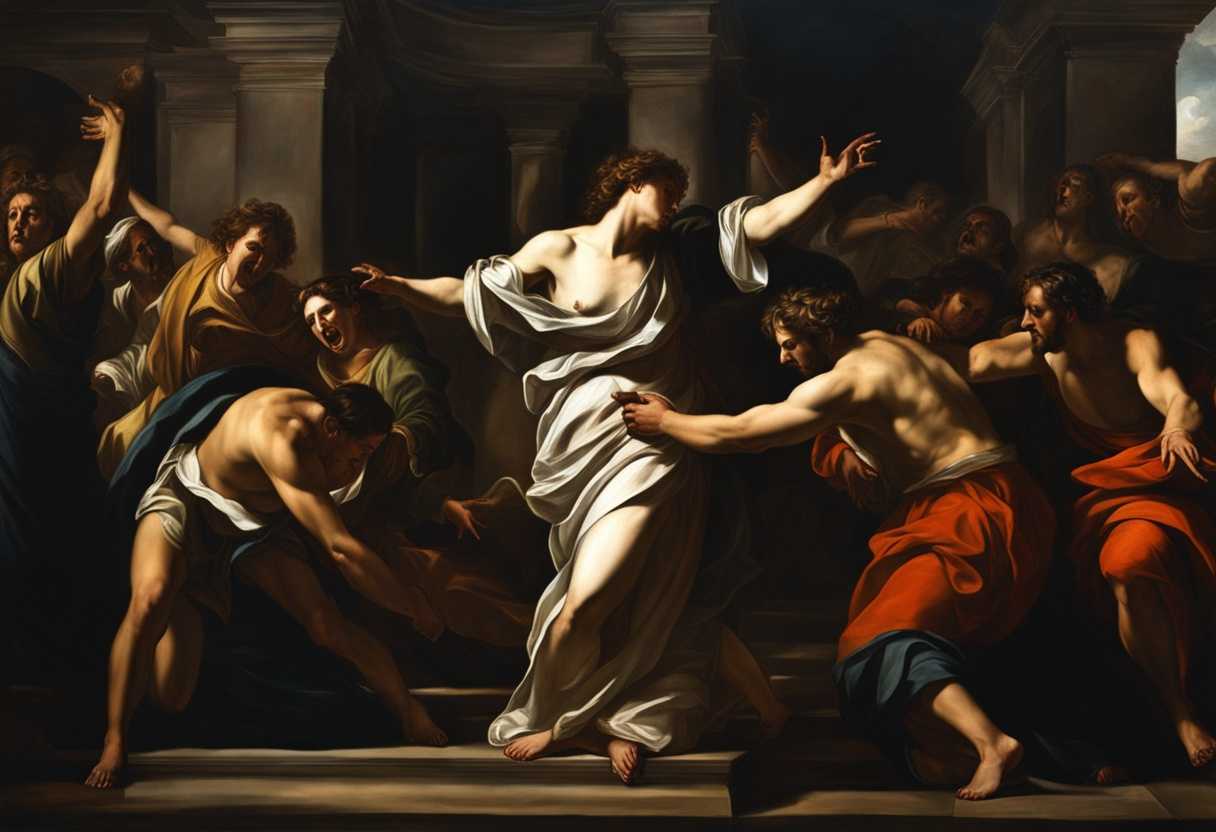
What the Bible Says About Being Cast Out
In the Bible, “cast out” often refers to the act of expelling or removing someone or something, particularly in the context of spiritual or moral authority, such as casting out demons (Mark 1:34) or excommunicating individuals from a community (1 Corinthians 5:13). It signifies a rejection or separation from a group or divine favor. Scripture…
-

What the Bible Says About Abomination: A KJV Definition
In the Bible, particularly in the King James Version (KJV), “abomination” refers to something that is detestable or abhorrent to God, often related to practices or behaviors that violate His commandments (e.g., Proverbs 6:16-19, Deuteronomy 7:25). It is commonly used to describe idolatry, immoral actions, and other sins that provoke divine wrath. Scripture 22 You…
-

What the Bible Says About the Definition of Rise
In the Bible, “rise” often signifies a physical or spiritual awakening, such as God calling individuals to action, new life, or resurrection. It can also denote restoration and empowerment, as seen in verses like Isaiah 60:1, where believers are encouraged to rise and shine because God’s light has come upon them. Scripture 22 After these…
-

What the Bible Says About Kingship: A Definition and Exploration
In the Bible, kingship refers to the divinely ordained authority to rule over a nation or people, exemplified by figures like David and Solomon, emphasizing the responsibilities of governance alongside spiritual leadership. It often symbolizes God’s sovereign rule over His creation, as seen in passages like Psalm 103:19 and Revelation 19:16. Scripture 4 Then all…
-

What the Bible Says About Being a Dreamer
In the Bible, a “dreamer” often refers to someone who receives divine revelations or prophetic messages through dreams, as seen in the stories of Joseph in Genesis. Dreamers are typically seen as individuals chosen by God to convey important truths or warnings, emphasizing their connection to the divine will. Scripture 5 Now Joseph had a…
-

What the Bible Says About the Babbler: Understanding Its Definition and Context
In the Bible, a “babbler” refers to someone who speaks nonsensically or engages in idle talk, often with a connotation of foolishness or lack of substance. The term is notably used in Acts 17:18 to describe those who contributed to empty discussions in Athens, highlighting the contrast between thoughtful dialogue and trivial chatter. Scripture 18…
-

What the Bible Says About the Buried Definition
In the Bible, “buried” generally refers to the act of placing a deceased person within a grave or tomb, symbolizing the end of earthly life and the hope of resurrection, as seen in the burial of Jesus (John 19:40-42). It often carries connotations of finality and respect for the deceased, with spiritual implications about eternal…
-

What the Bible Says About the Definition of Feeble-Minded
In the Bible, “feeble-mindedness” generally refers to a state of mental weakness or lack of understanding, often associated with poor judgment or a lack of discernment (as seen in 1 Thessalonians 5:14). It underscores the importance of spiritual and mental clarity in living a righteous life. Scripture 14 And we urge you, brothers, admonish the…
-

What the Bible Says About Being Disquieted
In the Bible, “disquieted” denotes a state of unrest or agitation of the spirit, often associated with anxiety or emotional turmoil, as seen in Psalm 42:5, where the psalmist expresses a troubled soul. It reflects a sense of inner disturbance that contradicts peace and calmness, prompting a call for hope in God. Scripture 5 Why…