
Category: Definitions
-
What the Bible Says About the Greek Definition of “Contend”
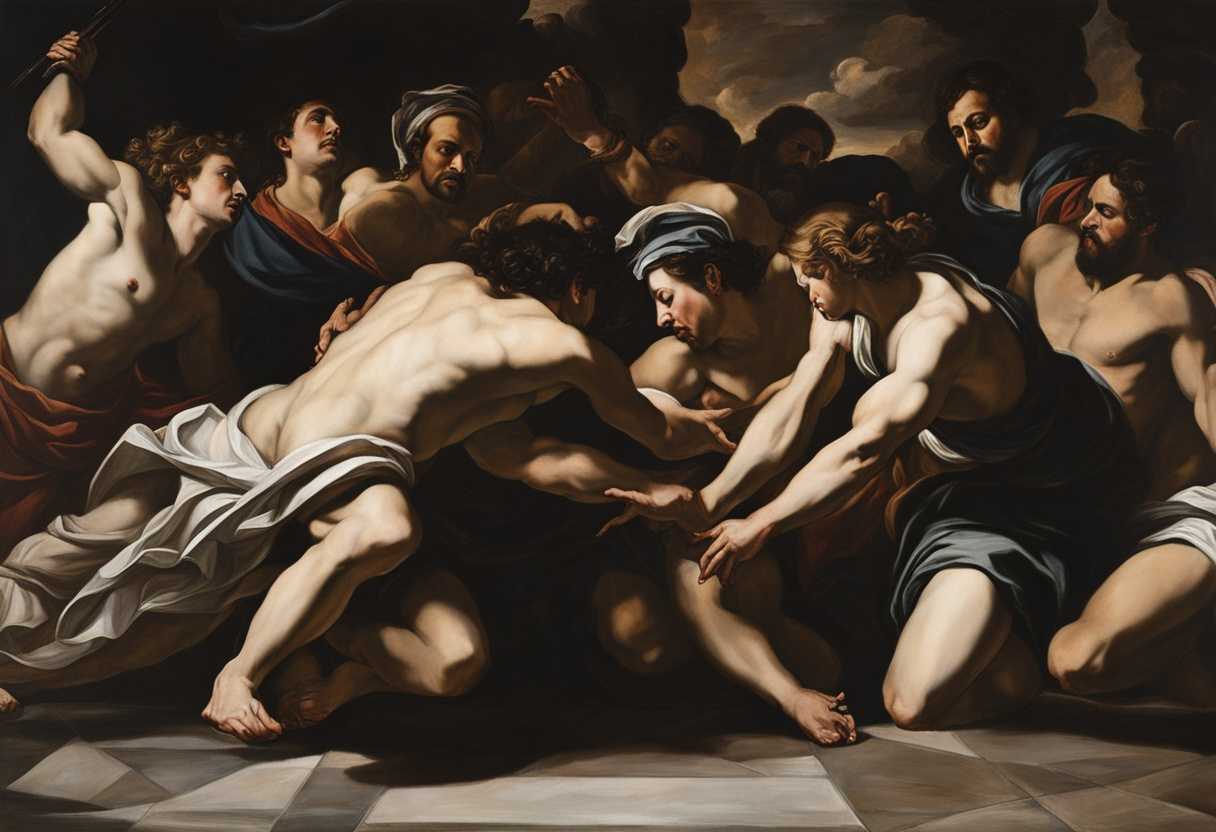
The Greek word for “contend” is “ἀγωνίζομαι” (agonizomai), which means to struggle, wrestle, or strive vigorously in a contest or conflict. In a biblical context, it often refers to the effort required in spiritual battles or the pursuit of faith (e.g., 1 Timothy 6:12). Scripture 24 And Jacob was left alone. And a man wrestled…
-

What the Bible Says About the Meaning of the Names Diotrephes and Demetrius
Diotrephes is mentioned in 3 John 1:9-10 as an individual who sought preeminence within the church and rejected the authority of the apostle John, displaying a prideful and divisive spirit. In contrast, Demetrius is praised in 3 John 1:12 as a good testimony bearer who exemplifies truth and righteousness, earning respect from both the church…
-

What the Bible Says About Jackals: Meaning and Symbolism
In the Bible, the jackal is often associated with desolation and loneliness, symbolizing destruction and the absence of people or prosperity. It appears in verses like Isaiah 34:13, where it represents a wasteland, further emphasizing God’s judgment and the desolation of once-thriving places. Scripture 13 Thorns shall grow over its strongholds, nettles and thistles in…
-

What the Bible Says About the Meaning of Esteban
Esteban is the Spanish form of Stephen, which means “crown” or “garland.” In the Bible, Stephen is recognized as the first Christian martyr, known for his faith and eloquent preaching, as detailed in the Book of Acts (Acts 6-7). Scripture 1 Now in these days when the disciples were increasing in number, a complaint by…
-

What the Bible Says About Seeing a Falcon
In the Bible, birds, including falcons, often symbolize freedom, divine providence, and the transcendence of the spirit. While the falcon is not specifically mentioned, its attributes can represent vigilance and the ability to rise above challenges, reflecting themes found in passages like Psalm 91, which speaks of the protection and care of God over His…
-

What the Bible Says About the House of Jehu
The “House of Jehu” refers to the dynasty established by Jehu, who became king of Israel after overthrowing the reign of Ahab’s family. It signifies a lineage marked by the fulfillment of God’s prophecy against the house of Ahab due to their idolatry and sins, lasting through several generations until the fall of Israel. Scripture…
-
What the Bible Says About Casting Lots
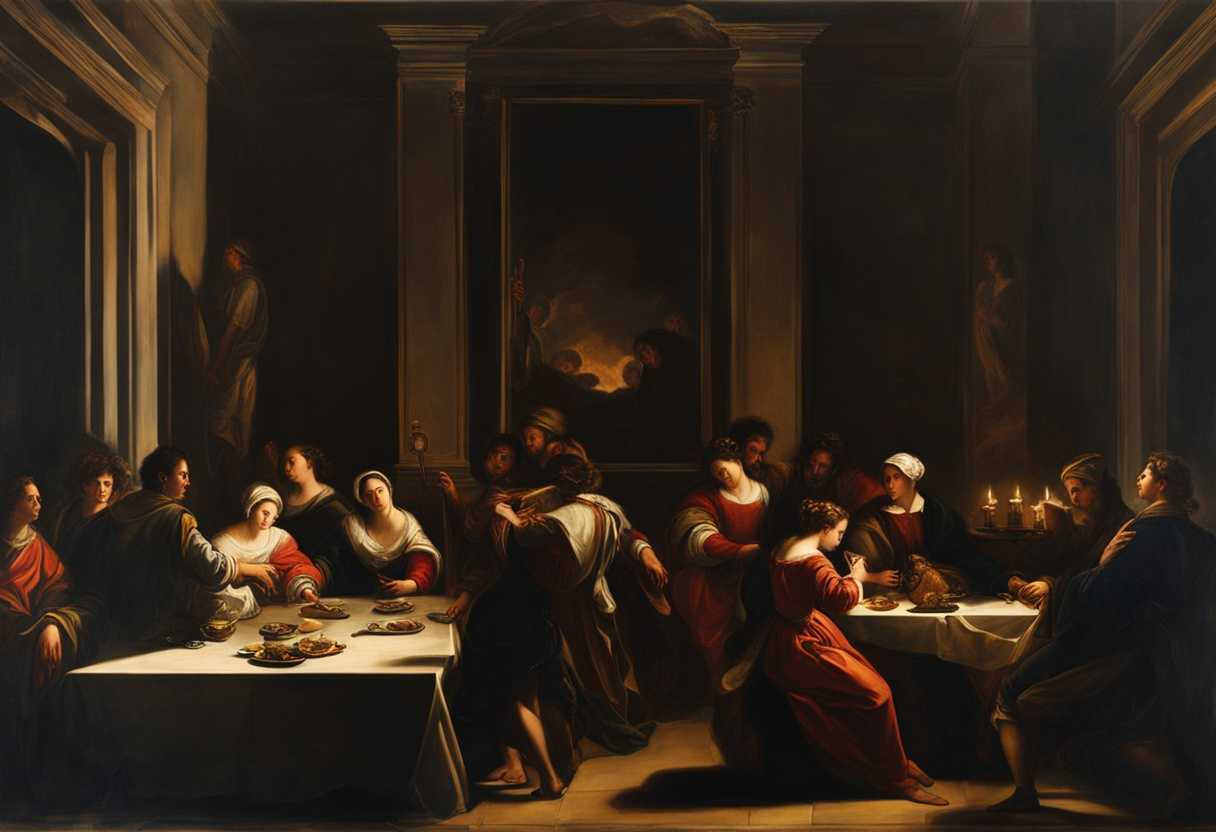
In the Bible, casting lots refers to a method of making decisions or determining God’s will, often seen as an act of seeking divine guidance. It is mentioned in several instances, such as in Proverbs 16:33 and Acts 1:26, where it is portrayed as a way to select individuals or allocate resources based on chance,…
-

What the Bible Says About the Meaning of Jashobeam
Jashobeam, mentioned in 1 Chronicles 11:11, is identified as a chief of David’s mighty warriors, known for his valor and leadership in battle. His name can be interpreted to mean “the people will return” or “the people are many.” Scripture 10 Now these are the chiefs of David’s mighty men, who gave him strong support…
-

What the Bible Says About Bitterness
In the Bible, bitterness often symbolizes a deep-seated emotional pain and resentment that can stem from experiences of hurt or injustice (Hebrews 12:15). It is considered a destructive force that can lead to spiritual and relational strife, urging believers to seek reconciliation and forgiveness instead. Scripture 1 “I loathe my life; I will give free…
-

What the Bible Says About the Meaning of Jonadab
In the Bible, Jonadab means “Jehovah is willing” or “Jehovah has provided.” He is notably mentioned as the son of Shimeah and a counselor to Amnon, described in 2 Samuel 13, where he devises a plan that leads to Amnon’s assault on Tamar. Scripture 1 Now Absalom, David’s son, had a beautiful sister, whose name…