
Category: Definitions
-

What the Bible Says About El Roi: The God Who Sees
El Roi, meaning “The God Who Sees,” is a name for God used in the Bible, specifically by Hagar in Genesis 16:13. It emphasizes God’s awareness and care for His people, highlighting His ability to see and respond to their suffering and needs. Scripture 7 The angel of the Lord found her by a spring…
-

What the Bible Says: Understanding the Meaning of the First 5 Books
The Pentateuch, comprising the first five books of the Bible (Genesis, Exodus, Leviticus, Numbers, and Deuteronomy), is foundational to the Jewish and Christian faiths, as it outlines the creation, the beginnings of humanity, the establishment of Israel, and God’s covenant with His people. It serves as a moral and legal framework, detailing laws, rituals, and…
-

What the Bible Says About Head Coverings: Understanding Their Meaning
In the Bible, particularly in 1 Corinthians 11:2-16, head coverings symbolize authority and propriety within the context of worship. They represent a woman’s submission and respect in the order of creation and the church, while also reflecting cultural practices of the time. Scripture 2 Now I commend you because you remember me in everything and…
-

What the Bible Says About Beelzebub: Understanding Its Meaning and Significance
Beelzebub, often associated with a deity worshipped by the Philistines, is referred to in the Bible as a name for the devil or a prince of demons (Matthew 12:24). The name itself is thought to mean “lord of the flies,” symbolizing a figure associated with decay and malevolence. Scripture 22 Then a demon-oppressed man who…
-

What the Bible Says About Kabod: Understanding Its Meaning and Significance
In the Bible, “Kabod” (Hebrew: כָּבוֹד) refers to the “glory” or “honor” of God, representing His weighty presence and majesty. It signifies the divine splendor and the boisterous reverence associated with God’s essence as seen in both His creation and manifestations to humanity. Scripture 15 Then Moses went up on the mountain, and the cloud…
-

What the Bible Says About Schism: Understanding Division in the Church
In the Bible, a schism refers to a division or disunity within the church, often arising from conflicting beliefs or practices, as indicated in 1 Corinthians 1:10-13, where Paul addresses divisions among believers. It emphasizes the importance of unity in the body of Christ, as maintaining harmony is essential for the church’s mission and witness.…
-

What the Bible Says About the Meaning of Nun
In the Bible, “Nun” is the fourteenth letter of the Hebrew alphabet and often symbolizes faithfulness and continuity. It also represents the name of a biblical figure, Nun, who was the father of Joshua, the leader who succeeded Moses and led the Israelites into the Promised Land. Scripture 8 from the tribe of Ephraim, Hoshea…
-

What the Bible Says About Worship: A KJV Perspective
In the Bible, worship is defined as the act of reverently honoring, adoring, and serving God. It involves both inward devotion and outward expressions of love and respect, as seen in verses like Psalm 95:6, which calls for bowing down and kneeling before the Lord our Maker. Scripture 1 And God spoke all these words,…
-
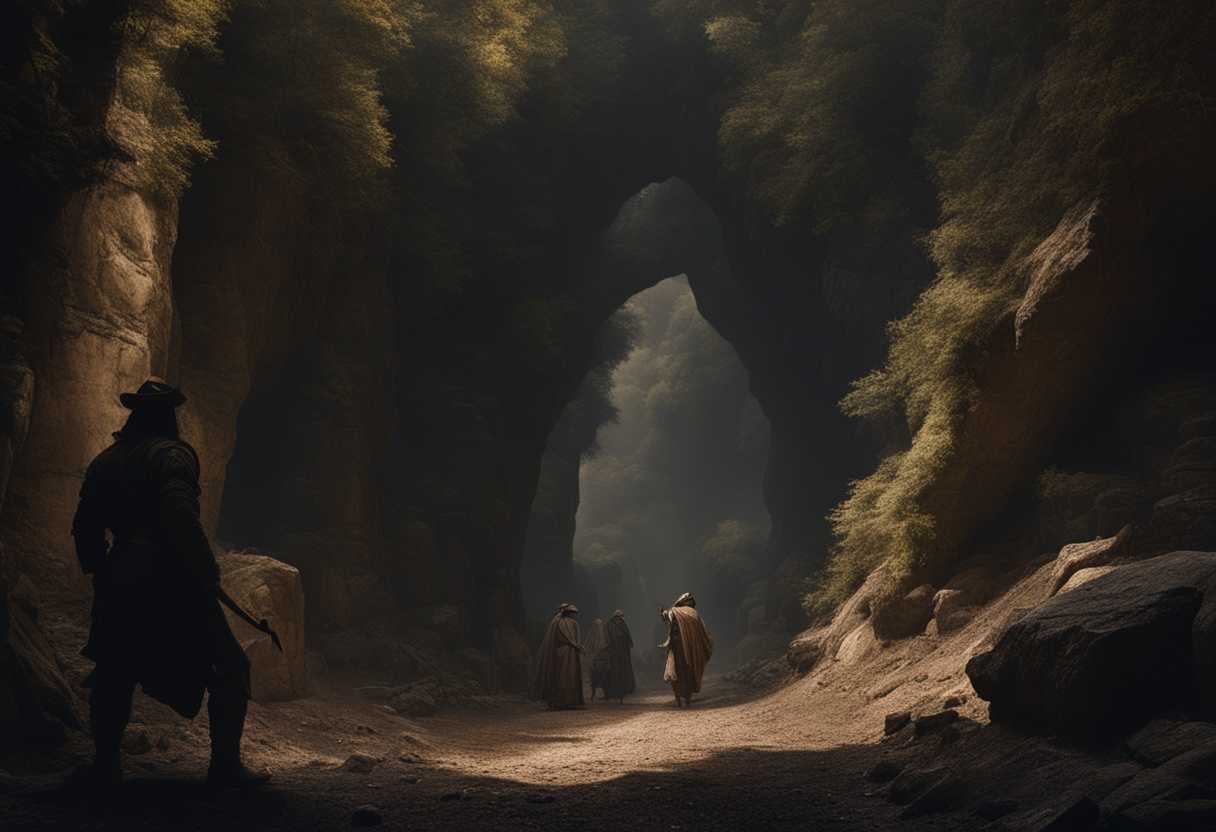
What the Bible Says About the Rephaim: Understanding Their Meaning and Significance
In the Bible, Rephaim refers to a group of ancient giants or mighty warriors, often associated with the land of Canaan and mentioned in various contexts, including the story of Goliath. The term can also signify the deceased or spirits of the dead in certain passages, indicating a connection to the underworld or the realm…
-

What the Bible Says About Waywardness
In the Bible, “wayward” refers to someone who is prone to straying from the truth or moral path, often displaying rebellious or disobedient behavior. It embodies a sense of turning away from God’s guidance, as seen in verses like Proverbs 12:15, where a wayward person is seen as foolish in their choices. Scripture 22 “How…