
Category: Definitions
-

What the Bible Says About the Historical Meaning of the Third Watch
The third watch, typically occurring between midnight and 3 a.m., holds historical significance in the Bible as a time of prayer and vigilance. It is referenced in the context of Jesus urging His disciples to stay awake and pray during His time of agony in the Garden of Gethsemane (Matthew 26:40-41). Scripture 19 So Gideon…
-

What the Bible Says About Samuel: The Last Judge of Israel
Samuel is considered Israel’s last judge as he served as a prophet and leader who guided the Israelites during a transitional period from tribal confederation to monarchy. He anointed Saul as the first king of Israel, marking a significant shift in governance and leadership in the nation (1 Samuel 8-10). Scripture 3 Then Samuel said…
-

“What the Bible Says About the Definitive History of Humanity”
The definitive history in the Bible refers to the narrative accounts of God’s actions and His covenant with humanity, primarily found in the Old and New Testaments. This history emphasizes the themes of creation, sin, redemption, and the fulfillment of God’s promises through Jesus Christ. Scripture 1 In the beginning, God created the heavens and…
-

What the Bible Says About Statutes: Understanding Their Definition and Significance
In the Bible, a statute refers to a specific law or ordinance established by God, often intended to guide the moral and ethical conduct of His people. Statutes are seen as binding commandments that believers are expected to follow as part of their covenant relationship with God, as exemplified in passages such as Psalm 119:…
-

What the Bible Says About Lawful Living
In the Bible, “lawful” refers to actions or practices that are permitted by God’s commandments or the ethical guidelines established in Scripture. It signifies adherence to divine law and moral standards as outlined in biblical teachings. Scripture 1 And God spoke all these words, saying, 2 “I am the Lord your God, who brought you…
-

What the Bible Says About the Definition of Oath
In the King James Bible, an oath is defined as a solemn promise, often invoking God’s name as a witness to the truth of one’s statements or commitments. It signifies a serious obligation to fulfill a vow or agreement, as seen in passages like Hebrews 6:16 and Deuteronomy 10:20. Scripture 2 If a man vows…
-

What the Bible Says About the Meaning of the 2nd Commandment
The Second Commandment, found in Exodus 20:4-6, prohibits the creation and worship of graven images or idols, emphasizing that God is to be worshiped alone and that He is a jealous God who demands exclusive devotion. It underscores the importance of honoring God’s nature and character without misrepresentation through physical representations. Scripture 4 “You shall…
-
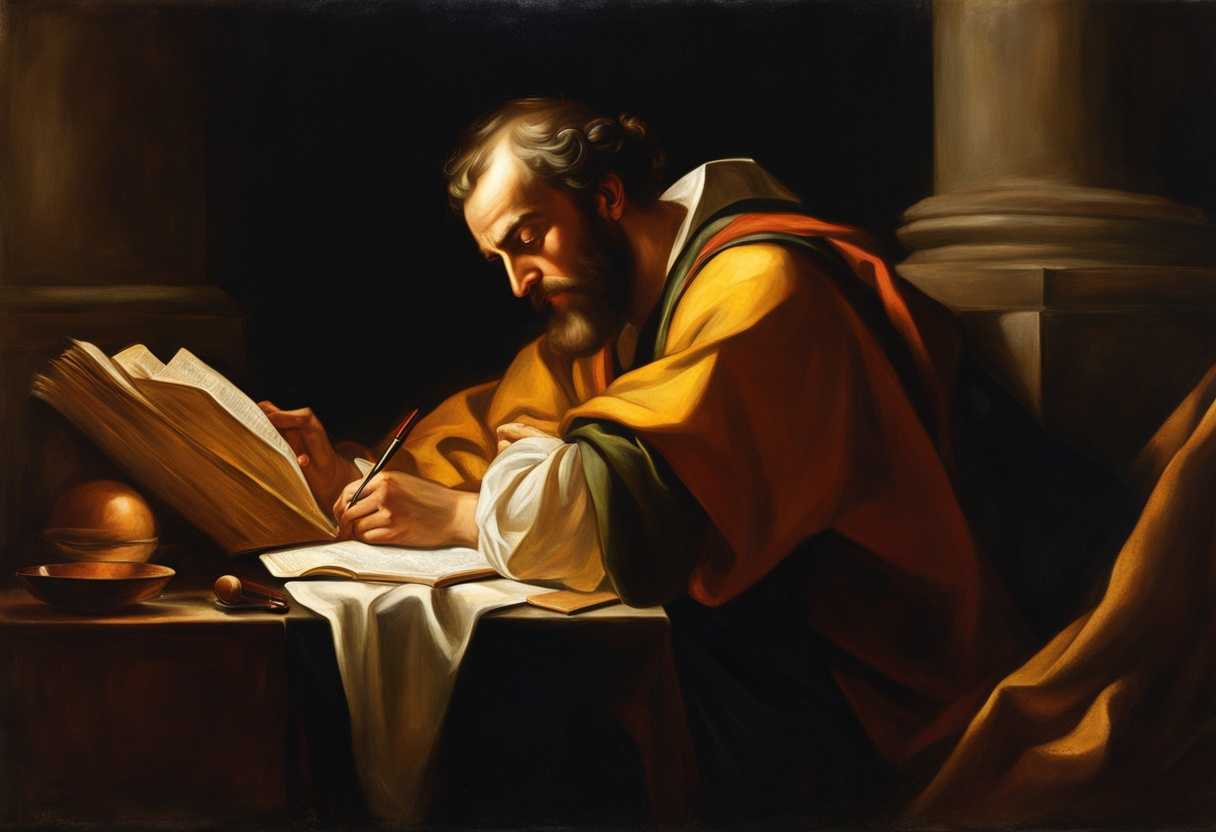
What the Bible Says About the Meaning of Paul
Paul, originally known as Saul of Tarsus, is a significant figure in the New Testament who became an apostle after experiencing a dramatic conversion. He is known for his missionary work and for writing many letters (epistles) that form a substantial part of the New Testament, emphasizing the message of salvation through faith in Jesus…
-

What the Bible Says About the Meaning of Malachi
Malachi, the last book of the Old Testament, means “my messenger” in Hebrew. It is traditionally attributed to the prophet Malachi, who addresses the neglect of the Israelites in their worship and calls for faithfulness and the coming of the Lord. Scripture 1 The oracle of the word of the Lord to Israel by Malachi.…
-

What the Bible Says About the Meaning of Solomon
In the Bible, Solomon is a king of Israel, renowned for his wisdom, wealth, and building projects, particularly the First Temple in Jerusalem. His story is primarily found in the books of 1 Kings and 2 Chronicles, highlighting his role as a ruler who sought to govern with justice and understanding. Scripture 5 At Gibeon…