
Category: Definitions
-

What the Bible Says About the Meaning of the Red Sea
In the Bible, the Red Sea symbolizes both a barrier and a means of divine deliverance, as it was the location where the Israelites crossed through miraculous circumstances to escape slavery in Egypt (Exodus 14:21-22). It represents God’s power to save and lead His people into freedom. Scripture 21 Then Moses stretched out his hand…
-

What the Bible Says About Hellenists: A Definition and Context
In the Bible, “Hellenists” refers to Greek-speaking Jews who lived outside of Israel and embraced aspects of Greek culture. They are mentioned in the New Testament, particularly in Acts 6, highlighting the cultural and ethnic diversity within the early Christian community. Scripture 1 Now in these days when the disciples were increasing in number, a…
-

What the Bible Says About the Perpetual Definition of God’s Promises
In the Bible, “perpetual” refers to something that is eternal or everlasting, often used to describe God’s promises, covenants, or laws that are intended to last indefinitely. For example, in Exodus 40:15, the Levitical priesthood is described as a “perpetual” covenant, signifying its enduring nature. Scripture 12 And God said, “This is the sign of…
-

What the Bible Says About Justified: A KJV Perspective
In the King James Version (KJV) of the Bible, “justified” refers to being declared righteous in the sight of God. This occurs through faith in Jesus Christ, as exemplified in Romans 5:1, which states, “Therefore being justified by faith, we have peace with God through our Lord Jesus Christ.” Scripture 21 But now the righteousness…
-

What the Bible Says About the Meaning of Goats and Sheep
In the Bible, sheep often symbolize God’s people, representing purity, innocence, and obedience, with Jesus referred to as the Good Shepherd (John 10:11). Goats, on the other hand, can symbolize stubbornness or wickedness, as seen in the parable of the sheep and the goats (Matthew 25:31-46), where goats are associated with judgment and separation from…
-
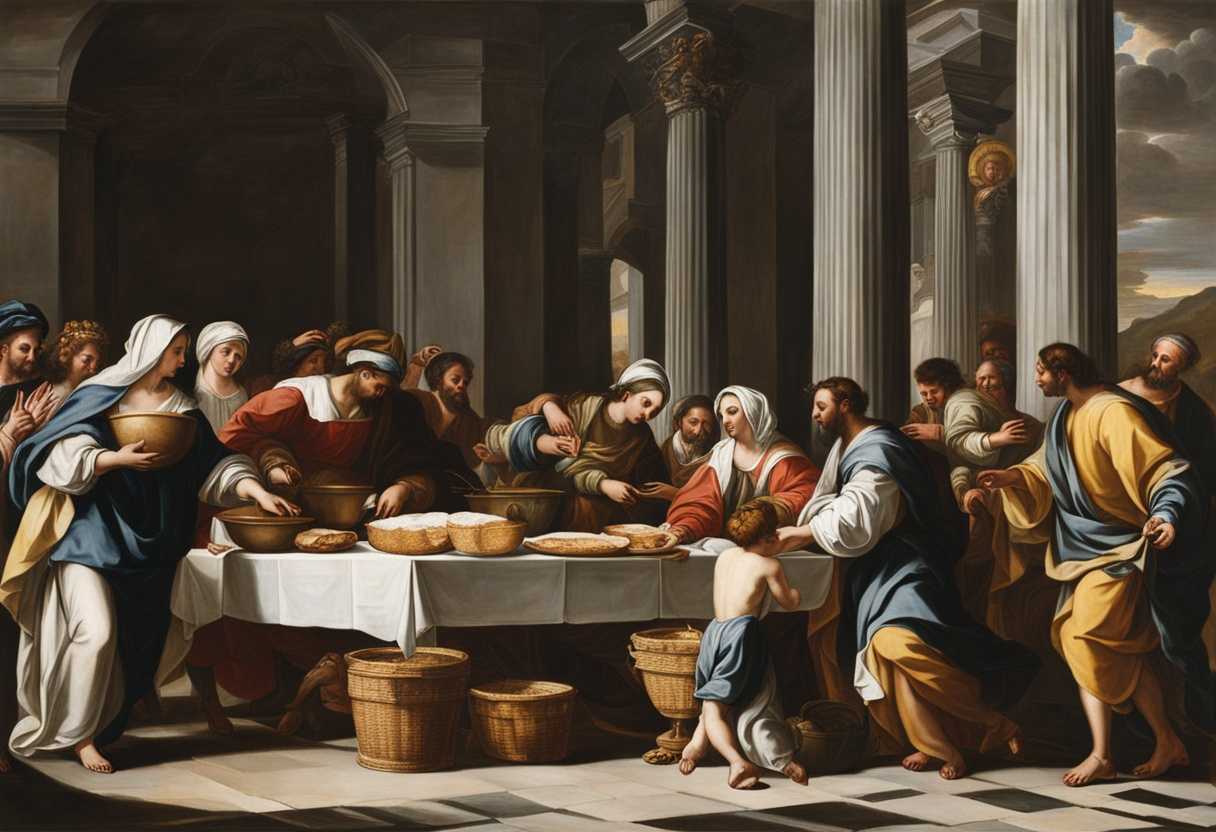
What the Bible Says About Levain: Understanding Its Definition and Significance
In the Bible, “levain” refers to leaven or yeast, which symbolizes corruption and sin. Its significance is highlighted during the Feast of Unleavened Bread, where the removal of leaven from homes represents the purification from sin and the pursuit of holiness (Exodus 12:15). Scripture 15 Seven days you shall eat unleavened bread. On the first…
-

What the Bible Says About the Eucharist: Understanding Its Definition and Significance
In the Bible, the Eucharist, also known as Communion or the Lord’s Supper, refers to the sacramental practice instituted by Jesus during the Last Supper, where bread and wine symbolize His body and blood, signifying the new covenant and the celebration of His sacrifice for humanity (Matthew 26:26-28; Luke 22:19-20). It represents a communal act…
-

What the Bible Says About Being Apart from the Law
“Apart from the law” refers to the state of being outside the requirements or jurisdiction of the Mosaic Law. In a biblical context, particularly in Romans 3:21, it signifies that righteousness from God is revealed independently of the law, emphasizing salvation through faith rather than adherence to the law alone. Scripture 21 But now the…
-

What the Bible Says About “Panteth”
In the Bible, “panteth” is often used to describe a deep longing or yearning, particularly in a spiritual context, as seen in Psalm 42:1, “As the deer panteth for the water brooks, so panteth my soul for thee, O God.” It signifies an intense desire for communion with God. Scripture 1 As a deer pants…
-

What the Bible Says About Credo: Understanding Its Meaning
The term “credo” is not explicitly mentioned in the Bible, but it derives from the Latin word meaning “I believe.” In a biblical context, it reflects the essence of faith and belief in God’s truths, as seen in passages like Romans 10:9, where confession and belief in Jesus are emphasized as central to salvation. Scripture…