
Category: Definitions
-

What the Bible Says About the Meaning of Naked
In the Bible, being naked often symbolizes innocence and unashamed vulnerability, as seen in Genesis 2:25, where Adam and Eve were “naked and felt no shame.” It can also represent spiritual and moral exposure, highlighting human vulnerability and the need for covering or protection, particularly in the context of sin (Genesis 3:7). Scripture 25 And…
-

What the Bible Says About Conceit: Understanding Its Definition and Implications
In the Bible, conceit refers to an inflated sense of self-importance or pride, often linked to a lack of humility. It is condemned in passages such as Philippians 2:3, which advises believers to act with humility and consider others better than themselves. Scripture 5 Trust in the Lord with all your heart, and do not…
-

What the Bible Says About Convicting: Understanding Its Definition and Purpose
In the Bible, “convicting” often refers to the work of the Holy Spirit in bringing awareness of sin, righteousness, and judgment to an individual’s heart (John 16:8). It encourages a person to recognize their wrongdoing and prompts repentance and a desire for reconciliation with God. Scripture 7 Nevertheless, I tell you the truth: it is…
-

What the Bible Says About the Householder: Understanding Its Definition and Significance
In the Bible, a householder refers to the head of a household or family, responsible for the management and care of his home and dependents. This role often implies authority and stewardship, as seen in parables like the one in Matthew 24:45-47, where the faithful and wise servant is entrusted with the management of his…
-

What the Bible Says About Enduring Faith
Enduring faith in the Bible refers to a steadfast, unwavering trust in God despite trials, challenges, or suffering. It reflects a deep-rooted belief in God’s promises and character, as exemplified by figures such as Job and the Apostle Paul, who persevered through adversity. Scripture 1 Now faith is the assurance of things hoped for, the…
-

What the Bible Says About the Definition of a Pilgrim
In the Bible, a pilgrim refers to a person on a journey, often with a spiritual purpose, reflecting a sojourner or foreigner in a land they do not belong to. This concept is exemplified in Hebrews 11:13, which describes the faithful as strangers and pilgrims on the earth, seeking a heavenly homeland. Scripture 13 These…
-

What the Bible Says About the Immovable: Understanding Its Definition and Significance
In the Bible, “immovable” refers to steadfastness in faith and obedience to God’s word, emphasizing resilience against trials and temptations. It is often associated with being firm and unwavering in one’s commitment to God (1 Corinthians 15:58). Scripture 50 I tell you this, brothers: flesh and blood cannot inherit the kingdom of God, nor does…
-

What the Bible Says About the Definition of Subdued
In the Bible, “subdued” refers to the act of bringing something under control or domination, often in the context of exercising authority over nature or enemies (e.g., Genesis 1:28). It implies a sense of taming or overcoming challenges through strength or divine power. Scripture 26 Then God said, “Let us make man in our image,…
-

What the Bible Says About Olive Trees: Symbolism and Significance
In the Bible, olive trees symbolize peace, prosperity, and divine blessing, as seen in the story of Noah when a dove returned with an olive leaf, signaling the end of judgment (Genesis 8:11). Additionally, olive oil is used for anointing and signifies the presence of the Holy Spirit. Scripture 6 At the end of forty…
-
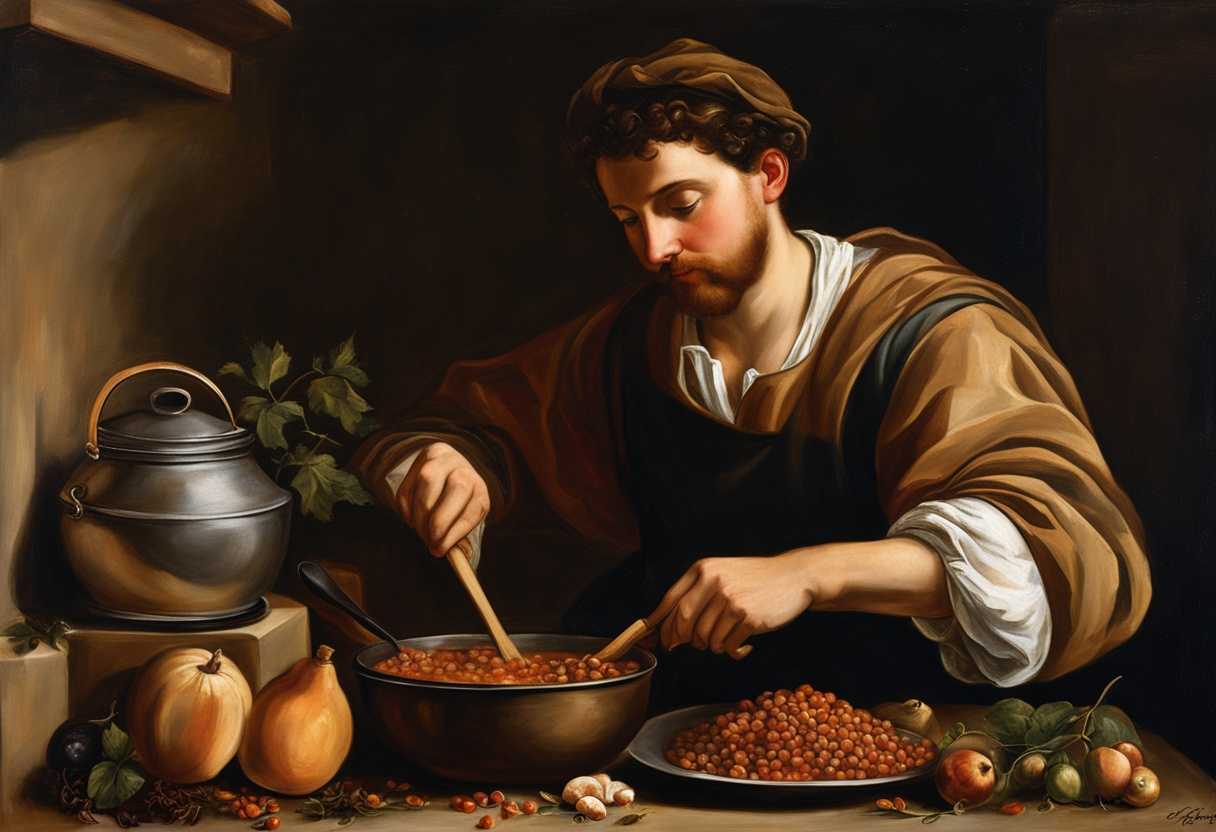
What the Bible Says About Lentils: A Symbol of Nourishment and Humility
In the Bible, lentils are mentioned in the context of sustenance and survival, notably in Genesis 25:29-34, where Jacob prepares a lentil stew that leads to Esau selling his birthright. They symbolize basic nourishment and the human tendency to prioritize immediate needs over lasting blessings. Scripture 29 Once when Jacob was cooking stew, Esau came…