
Category: Definitions
-

What the Bible Says About Singleness: A Definition and Perspective
In the Bible, singleness is often viewed as a state of being unmarried and can be seen as a gift from God (1 Corinthians 7:7). It allows individuals to devote their lives more fully to serving God and others without the distractions of marital responsibilities (1 Corinthians 7:32-35). Scripture 7 I wish that all were…
-

What the Bible Says About Translations Affecting the Integrity of Original Meaning
The impact of Bible translations on original meaning can be significant, as variations in language, cultural contexts, and interpretive choices can alter the nuances of scripture. Different translations may emphasize varying theological concepts, potentially leading to different understandings among readers and denominations. Scripture 2 You shall not add to the word that I command you,…
-

What the Bible Says About the Sea: Definitions and Symbolism
In the Bible, the sea often symbolizes chaos, danger, and the unknown, as seen in various passages where it represents God’s judgment or the tumultuous nature of life. However, it can also signify God’s power and sovereignty, exemplified in stories where He calms the sea or parts waters to deliver His people. Scripture 9 And…
-

What the Bible Says About Marriage: A King James Perspective
In the King James Bible, marriage is defined as a divinely instituted union between a man and a woman, intended for companionship, intimacy, and the procreation of children, as reflected in Genesis 2:24: “Therefore shall a man leave his father and mother, and shall cleave unto his wife: and they shall be one flesh.” Scripture…
-

What the Bible Says About Being Endued with Power
In the Bible, “endued” refers to being equipped or empowered, often by the Holy Spirit for a specific purpose or task. It signifies receiving a divine gift or ability to fulfill God’s will, as seen in passages like Luke 24:49 and Acts 1:8. Scripture 49 And behold, I am sending the promise of my Father…
-

What the Bible Says About Malignity: Definition and Insights from the KJV
In the King James Version (KJV) of the Bible, “malignity” refers to a deep-seated and harmful maliciousness or ill-will towards others. It is often associated with malevolent actions or attitudes, embodying an intent to harm or cause suffering (Romans 1:29). Scripture 28 And since they did not see fit to acknowledge God, God gave them…
-

What the Bible Says About Casting Your Burdens
In the Bible, “cast” often refers to throwing or placing something forcefully, such as casting out demons or casting lots for decision-making. It can also symbolize the act of relinquishing burdens to God, as seen in 1 Peter 5:7, which encourages believers to “cast all your anxiety on Him.” Scripture 9 But Sarah saw the…
-

What the Bible Says About “It Is Better to Give Than to Receive”
The phrase “better to give than to receive” reflects the biblical principle found in Acts 20:35, where it emphasizes the value of generosity and selflessness over mere material gain. It underscores the idea that giving enriches the giver, fostering community and love. Scripture 32 And now I commend you to God and to the word…
-

What the Bible Says About Abaddon: Understanding Its Meaning and Significance
In the Bible, Abaddon is referred to as a place of destruction or a synonym for the abyss, often associated with desolation and death, as mentioned in Revelation 9:11. The term is derived from Hebrew, meaning “to perish,” and it also represents a figure of destruction or a destroyer in some interpretations. Scripture 1 And…
-
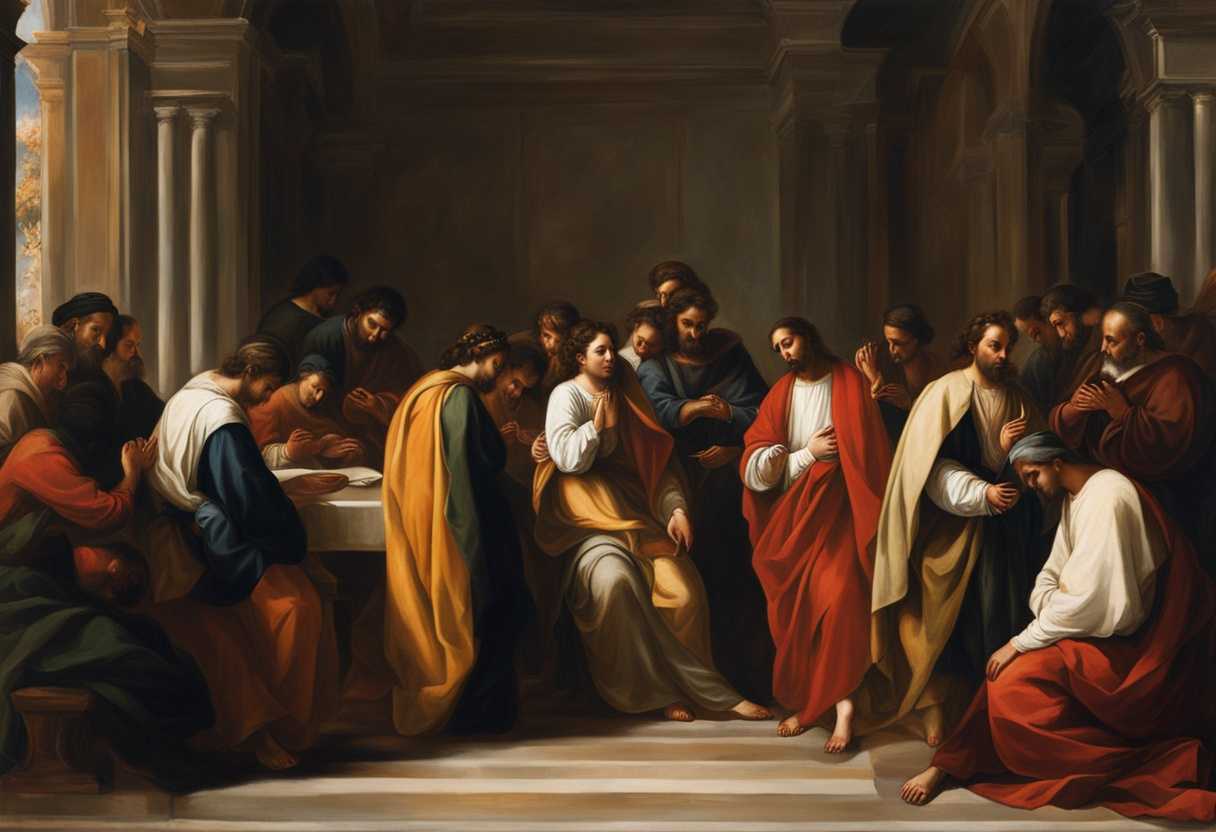
What the Bible Says About Not Calling Yourself a Rabbi
In the Bible, specifically in Matthew 23:8-10, “do not call yourself a rabbi” emphasizes humility and the importance of recognizing that all followers of Christ are equals under God, discouraging the elevation of certain individuals through titles. It teaches that God is the ultimate authority and guide in spiritual matters, rather than human leaders. Scripture…