
Category: Definitions
-

What the Bible Says About Self-Examination for Kids
In the Bible, self-examination involves reflecting on one’s actions and heart to align with God’s teachings (2 Corinthians 13:5). It encourages kids to think about their behavior, make good choices, and seek forgiveness when they make mistakes. Scripture 5 Examine yourselves, to see whether you are in the faith. Test yourselves. Or do you not…
-

What the Bible Says About the Definition of “Pierced”
In the Bible, “pierced” often refers to the act of being wounded or stabbed, symbolizing suffering and sacrifice. Notably, it is prophetic in Isaiah 53:5, which speaks of the Messiah being “pierced for our transgressions,” and is fulfilled in the New Testament with Jesus’ crucifixion, as mentioned in John 19:34. Scripture 3 He was despised…
-

What the Bible Says About the Meaning of Music
In the Bible, music is often seen as a means of worship and expression of praise to God, as reflected in passages like Psalm 150, which encourages the use of various instruments in joyful worship. Additionally, music serves as a vehicle for communal identity and celebration, exemplified in events such as the Israelites’ song of…
-

What the Bible Says About Calm: Understanding Its Definition and Significance
In the Bible, calmness often refers to a state of peace and tranquility that comes from faith and trust in God, as exemplified in passages like Philippians 4:6-7, which encourages believers to present their requests to God and receive His peace. It reflects a deep sense of assurance and stability, even amid life’s storms. Scripture…
-

What the Bible Says About the Brown Spiritual Meaning
In the Bible, brown symbolizes humility, earthiness, and the natural world. It is often associated with the earth and human mortality, reflecting the transient nature of life and the need for humility before God. Scripture 32 Let me pass through all your flock today, removing from it every speckled and spotted sheep and every black…
-

What the Bible Says About Human Dignity
In the Bible, human dignity is affirmed through the belief that humans are created in the image of God (Genesis 1:27), which grants inherent worth and value to every person. This dignity calls for respect, love, and justice towards all individuals, reflecting God’s love for humanity. Scripture 26 Then God said, “Let us make man…
-
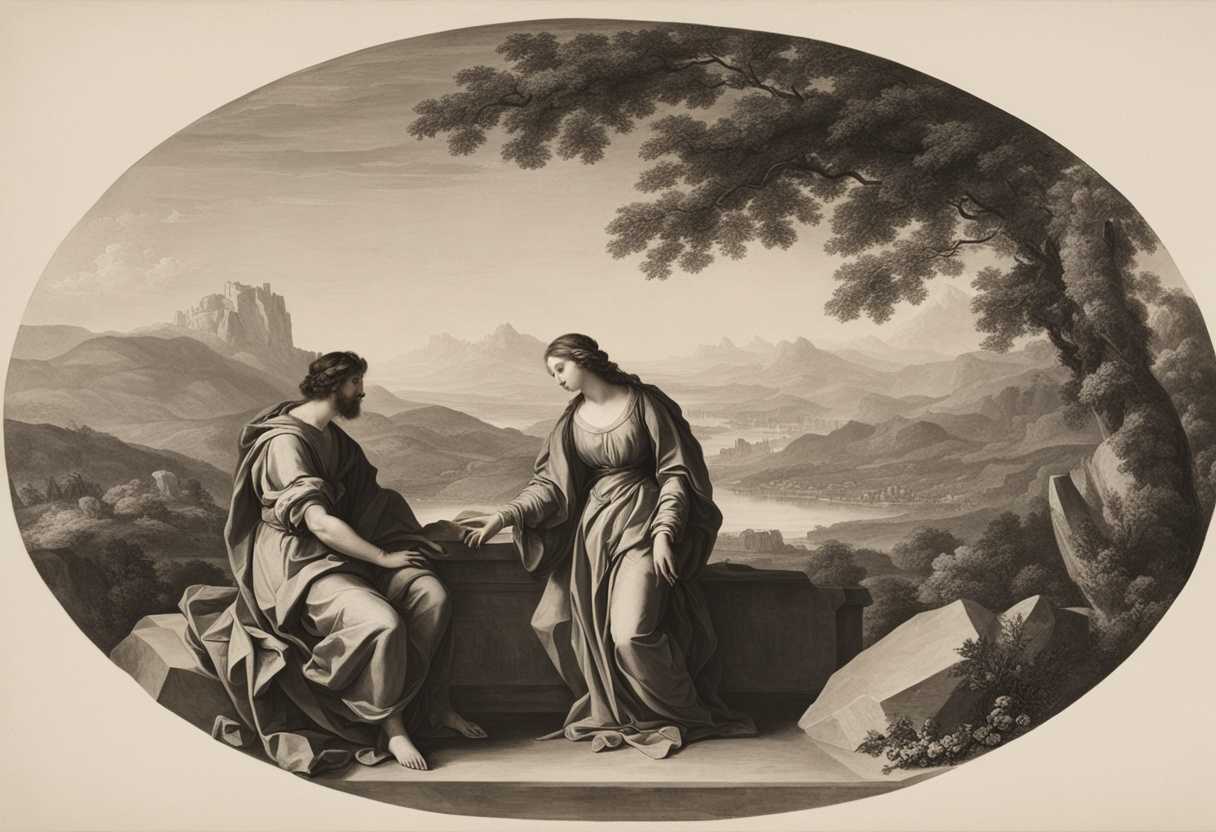
What the Bible Says About Mizpah Meaning in Love
In the Bible, Mizpah refers to a place where the patriarchs Jacob and Laban made a covenant of protection and separation, symbolizing a bond of love and commitment despite distance. In a broader context, “Mizpah” is often interpreted as a metaphor for longing and love, suggesting that physical separation does not diminish emotional connection, often…
-

What the Bible Says About Being Overtaken
In the Bible, “overtaken” often refers to being caught or surprised by an event or circumstance, particularly in the context of sin or judgment (Galatians 6:1). It can also imply being fully grasped by situations beyond one’s control, whether positive or negative. Scripture 1 “And if you faithfully obey the voice of the Lord your…
-

What the Bible Says About Scoffers: Understanding Their Meaning
In the Bible, a “scoffer” refers to a person who mocks or shows contempt for spiritual truths and wisdom, often ridiculing those who adhere to them. This term is often associated with pride and a refusal to accept correction or instruction, as seen in Proverbs 1:22 and Psalm 1:1. Scripture 22 “How long, O simple…
-

What the Bible Says About a Tree and Its Fruit: Understanding Spiritual Growth
In the Bible, a tree often symbolizes life, growth, and the presence of God, while fruit represents the results of one’s actions or the virtues produced by a faithful life. For example, in Galatians 5:22-23, the “fruit of the Spirit” reflects the qualities that arise from living in accordance with God’s will. Scripture 11 And…