
Category: Definitions
-

What the Bible Says About Divine Revelation: Understanding Its Definition and Significance
Divine revelation in the Bible refers to the act of God disclosing His character, will, and truth to humanity, primarily through Scripture, prophetic messages, and the person of Jesus Christ. It encompasses the understanding that God seeks relationship and understanding with people through His revealed Word. Scripture 10 Jacob left Beersheba and went toward Haran.…
-

What the Bible Says About Mary Magdalene: A Definition and Exploration
Mary Magdalene is significant in the Bible as a devoted follower of Jesus Christ, who witnessed his crucifixion and burial. She is also revered for being the first to see the resurrected Christ and is often recognized as a key figure in the early Christian community. Scripture 1 Soon afterward he went on through cities…
-

What the Bible Says About the End of Days: Understanding Its Meaning
In the Bible, the phrase “end of days” generally refers to a future time when God’s final judgment will occur, often associated with the culmination of human history and the establishment of God’s eternal kingdom. It emphasizes a period of divine intervention and restoration, as seen in prophetic books like Daniel and Revelation. Scripture 1…
-

What the Bible Says About the Bishop in the King James Version
In the King James Bible, a “bishop” refers to an overseer or spiritual leader in the church, often responsible for teaching, guiding, and caring for the congregation (Philippians 1:1, 1 Timothy 3:1). The term is derived from the Greek word “episkopos,” indicating a position of authority and responsibility within the early Christian community. Scripture 1…
-

What the Bible Says About the Meaning of Archangels
In the Bible, archangels are described as high-ranking angels who serve significant roles in God’s hierarchy, often delivering important messages and leading other angels. The term is notably associated with Michael, who is referred to as an archangel in Jude 1:9, symbolizing strength and protection. Scripture 13 But we do not want you to be…
-

What the Bible Says: Understanding “Does Not Rejoice in Iniquity” in Bible Study Tools
The phrase “does not rejoice in iniquity” is found in 1 Corinthians 13:6, which describes love as not celebrating wrongdoing or evil. Instead, it implies that true love upholds righteousness and truth, lamenting rather than finding joy in sin. Scripture 4 Love is patient and kind; love does not envy or boast; it is not…
-

What the Bible Says About the Heart of Stone
In the Bible, the phrase “heart of stone” symbolizes a hardened, unresponsive, or rebellious attitude toward God and His ways (Ezekiel 36:26). It contrasts with a “heart of flesh,” which represents a soft, receptive, and obedient spirit. Scripture 19 And I will give them one heart, and a new spirit I will put within them.…
-

What the Bible Says About “Ja Ho” Meaning
“Ja Ho” does not appear as a term or phrase in the Bible. If you meant something similar, please clarify for a more accurate response. Scripture 13 Then Moses said to God, “If I come to the people of Israel and say to them, ‘The God of your fathers has sent me to you,’ and…
-

What the Bible Says About Tender Mercies
In the Bible, “tender mercies” refers to compassionate love and kindness, often attributed to God’s nature towards His creation. It signifies a deep emotional sensitivity and care for those in distress, highlighting God’s willingness to forgive and offer grace. Scripture 6 Remember your mercy, O Lord, and your steadfast love, for they have been from…
-
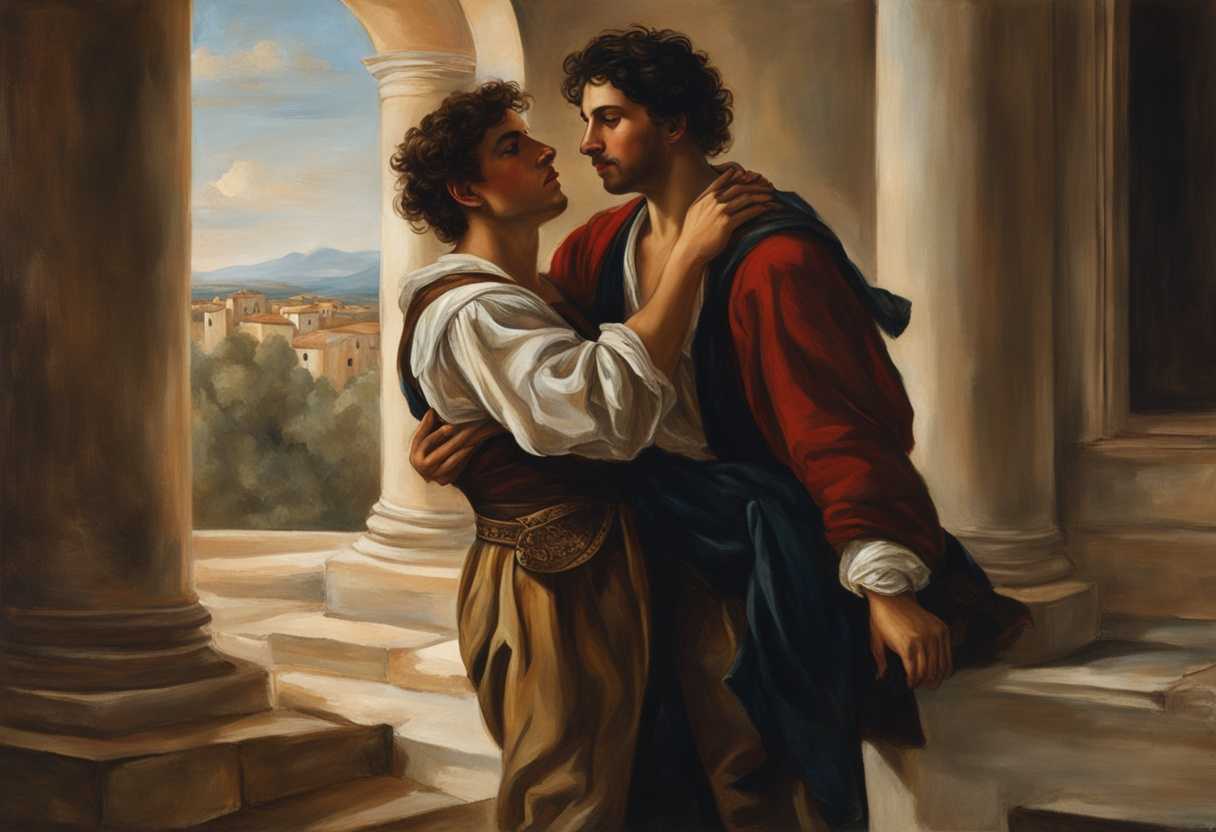
What the Bible Says About the Prodigal: Understanding Its Meaning
In the Bible, “prodigal” refers to someone who is wastefully extravagant, particularly in the context of the Parable of the Prodigal Son (Luke 15:11-32), where it describes a younger son who squanders his inheritance on reckless living before experiencing repentance and a return to his father. The term highlights themes of forgiveness, redemption, and the…