
Category: Definitions
-

What the Bible Says About Intermarriage: Definitions and Insights
In the Bible, intermarriage often refers to the union between people of different nations or ethnic groups, particularly when it involves Israelites marrying those outside the covenant community. This practice is frequently cautioned against in scripture, as seen in verses like Deuteronomy 7:3-4, where God instructs the Israelites not to intermarry with other nations to…
-

What the Bible Says About Eunuchs: Understanding Their Meaning and Significance
In the Bible, eunuchs are typically individuals who are castrated or who abstain from marriage for various reasons, often for service to God or to fulfill certain roles (Matthew 19:12). They are acknowledged in Scripture as having a special place, particularly in the Kingdom of Heaven, where some are said to have renounced marriage for…
-

What the Bible Says About Pacifism: A Definition and Exploration
Pacifism in the Bible can be understood as the principle of non-violence and the rejection of war, exemplified in teachings such as “Blessed are the peacemakers” (Matthew 5:9) and the call to love one’s enemies (Matthew 5:44). It reflects a commitment to reconciliation and peace, promoting harmony over conflict. Scripture 38 “You have heard that…
-

What the Bible Says About Hyssop: Its Meaning and Significance
In the Bible, hyssop is often associated with purification and sacrifice, symbolizing cleansing from sin. It is mentioned in contexts such as the Passover ritual (Exodus 12:22) and David’s plea for forgiveness in Psalm 51:7, where he asks to be “washed” with hyssop to be made clean. Scripture 21 Then Moses called all the elders…
-

What the Bible Says About Servant Leadership: A Scholarly Perspective
In the Bible, servant leadership is exemplified by Jesus Christ, who taught that true leaders prioritize the needs of others and serve rather than wield authority (Mark 10:43-45). It emphasizes humility, selflessness, and a commitment to serving God and others as central to one’s leadership role (Philippians 2:3-4). Scripture 25 But Jesus called them to…
-

What the Bible Says About the Cornerstone Meaning
In the Bible, a cornerstone signifies the foundational stone that holds a structure together, symbolizing Jesus Christ as the essential foundation of faith (Ephesians 2:20). It represents stability, strength, and the critical role of Christ in the church and believers’ lives. Scripture 16 therefore thus says the Lord God, “Behold, I am the one who…
-

What the Bible Says About the Definition of a Whore
In the Bible, the term “whore” often refers to a prostitute or a woman engaged in promiscuous sexual behavior, symbolizing unfaithfulness or idolatry in both literal and metaphorical contexts. It is commonly used to describe infidelity against God or moral corruption, as seen in texts like Proverbs 7 and Revelation 17. Scripture 6 For at…
-
What the Bible Says About Deliverance: Understanding Its Meaning
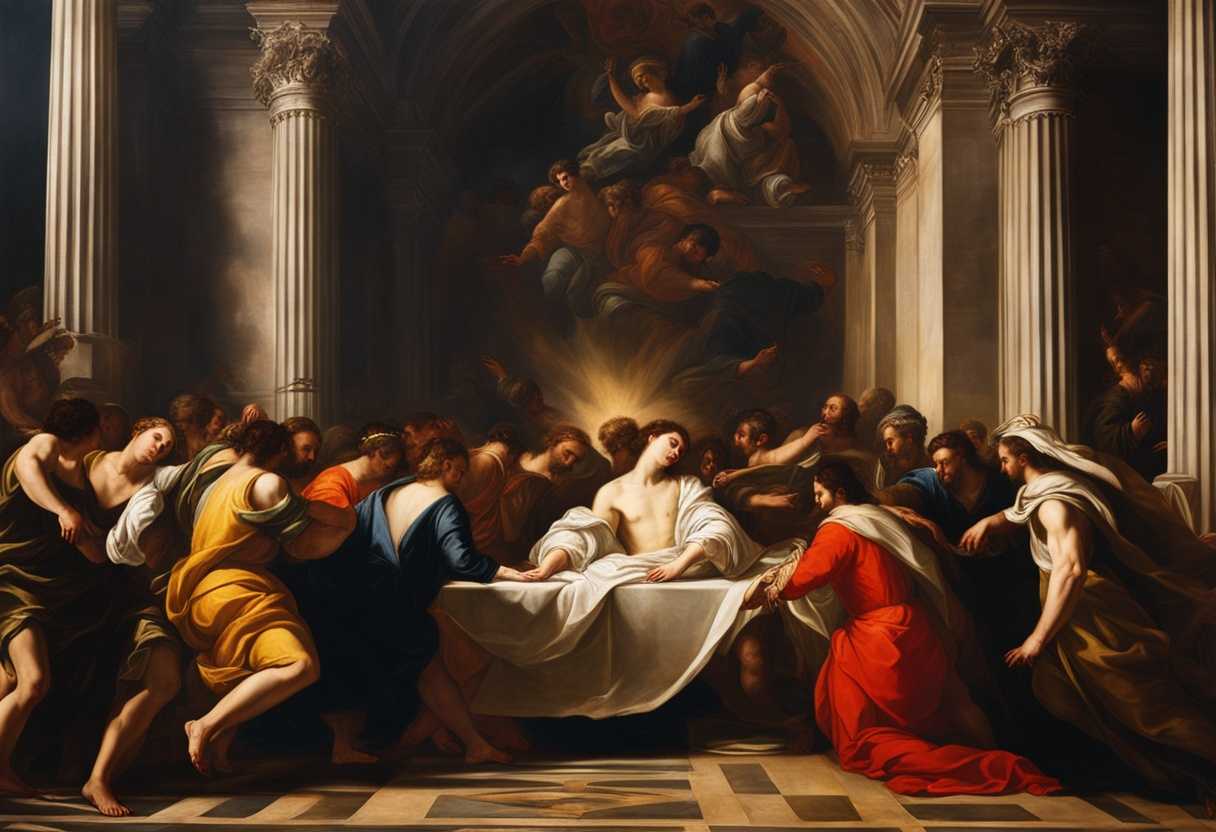
In the Bible, deliverance refers to the act of being set free from bondage, danger, or oppression, often through divine intervention. It signifies God’s power to rescue individuals from sin, illness, or any form of captivity, emphasizing spiritual salvation and physical liberation as central themes. Scripture 13 And Moses said to the people, “Fear not,…
-

What the Bible Says About Being a Doer of the Word
In the Bible, a “doer” refers to someone who actively practices and lives out God’s commandments and teachings, rather than merely hearing or knowing them. This concept is emphasized in James 1:22, which encourages believers to be “doers of the word, and not hearers only.” Scripture 22 But be doers of the word, and not…
-

What the Bible Says About the Meaning of Cleave
In the Bible, “cleave” typically means to adhere closely or to remain steadfastly attached, often referring to the bond between a husband and wife, as seen in Genesis 2:24, which states that a man shall “cleave” to his wife. It emphasizes commitment, loyalty, and unity in relationships. Scripture 24 Therefore a man shall leave his…