
Category: Definitions
-

What the Bible Says About the Meaning of Akin
The term “akin” is not explicitly defined in the Bible, but it generally refers to being related or similar in nature. It signifies a connection or commonality, often understood in the context of familial relationships or shared characteristics among people or concepts. Scripture 8 Then Abram said to Lot, “Let there be no strife between…
-

What the Bible Says About the Meaning of Mahanaim
Mahanaim, meaning “two camps” or “two hosts,” is a biblical location mentioned in Genesis 32:2, where Jacob encounters angels upon his return to Canaan. It also served as a refuge for David during Absalom’s rebellion, as noted in 2 Samuel 17:24. Scripture 1 Jacob went on his way, and the angels of God met him.…
-

What the Bible Says About the Meaning of the Belly
In the Bible, “belly” often symbolizes the seat of desires or emotions, representing both physical hunger and the deeper spiritual cravings of the soul. It can also denote the womb or the origins of life, as seen in passages that discuss childbirth or God’s provision. Scripture 20 From the fruit of a man’s mouth his…
-
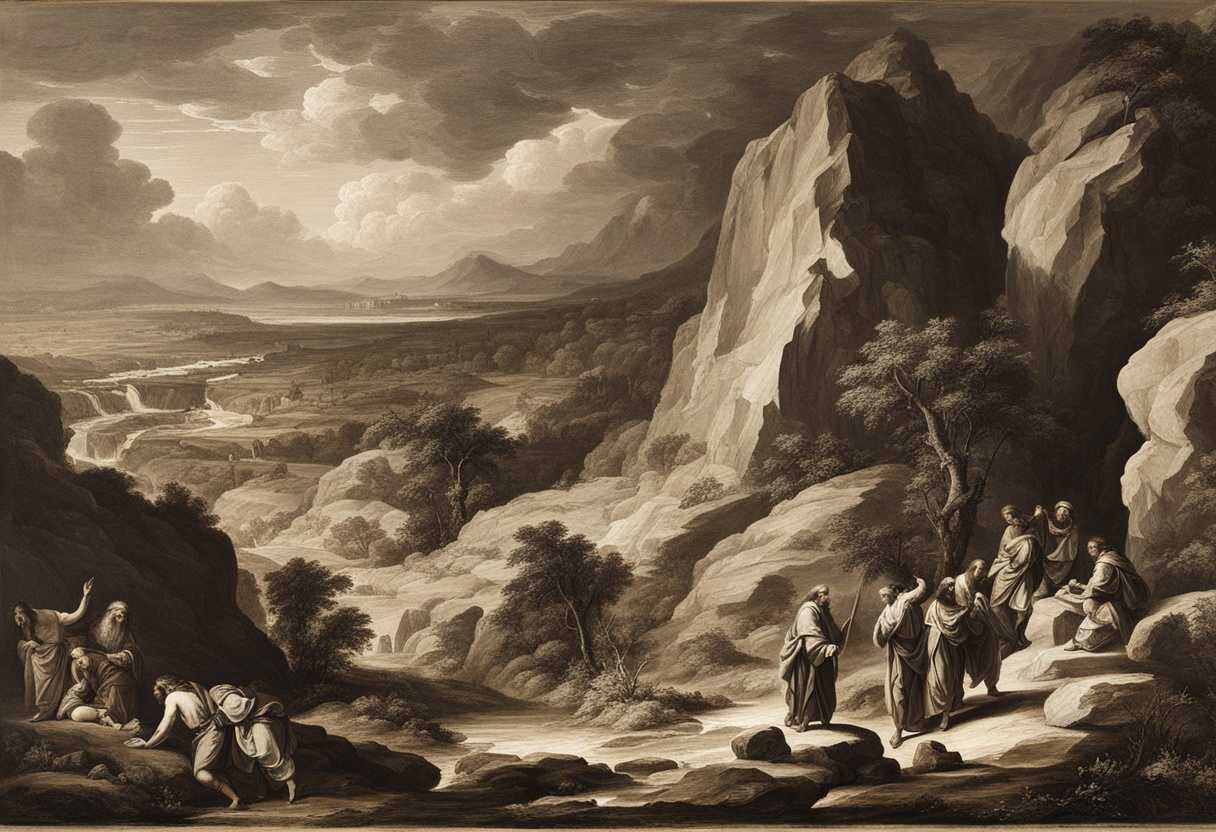
What the Bible Says About Rephidim: Understanding Its Meaning and Significance
Rephidim is a location mentioned in the Bible, specifically in Exodus 17, where the Israelites camped during their Exodus from Egypt. It is significant as the site where the Israelites struggled with a lack of water and where Moses struck a rock to provide water, demonstrating God’s provision and the testing of the people’s faith.…
-

What the Bible Says About Decently Living
In the Bible, “decently” refers to behavior that is orderly, appropriate, and respectable, as seen in 1 Corinthians 14:40, which encourages worship practices to be conducted “decently and in order.” It implies a standard of dignity and moral integrity in one’s actions and conduct. Scripture 26 What then, brothers? When you come together, each one…
-

What the Bible Says About the Meaning of Bethphage
Bethphage, mentioned in the New Testament, specifically in the Gospels of Matthew (21:1) and Mark (11:1), means “house of unripe figs.” It is significant as the place from which Jesus sent his disciples to retrieve a donkey before his triumphant entry into Jerusalem. Scripture 1 Now when they drew near to Jerusalem and came to…
-

What the Bible Says About Every Hair Casting Its Shadow
The phrase “every hair casts its shadow” is not explicitly found in the Bible; however, it can be interpreted to illustrate God’s intimate knowledge of each individual. This concept aligns with Matthew 10:30, which states that even the hairs on your head are all numbered, emphasizing God’s care and attention to detail in our lives.…
-
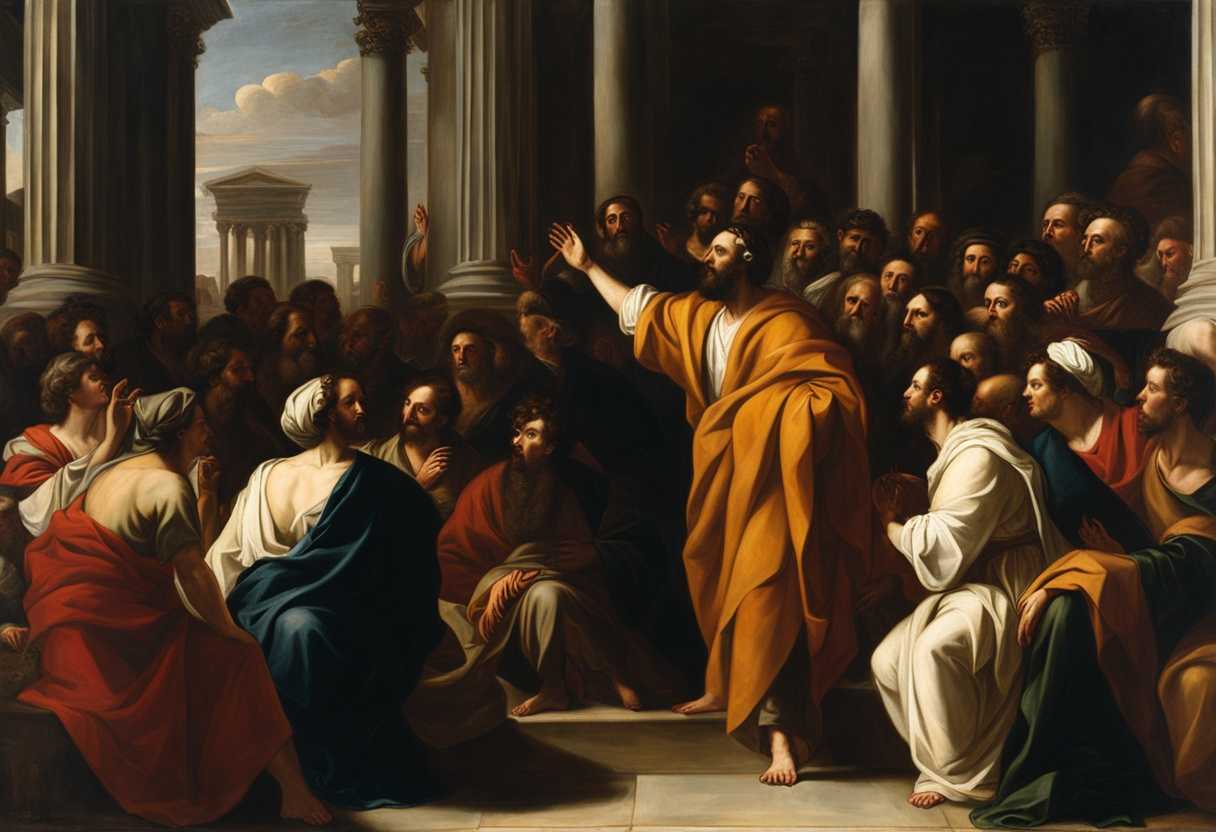
What the Bible Says About Iconium: Meaning and Significance
Iconium is a city mentioned in the New Testament, notably in Acts 14, where the Apostle Paul and Barnabas preached and faced opposition. It symbolizes a place of both missionary challenge and the spread of early Christian teachings. Scripture But the Jews incited the devout women of high standing and the leading men of the…
-

What the Bible Says About the Meaning of “Go”
In the Bible, “go” often signifies the act of moving forward with purpose, whether as a command from God to fulfill His will or as an expression of obedience to a divine call. It can denote physical travel as well as spiritual or moral progression in faith. Scripture 1 Now the Lord said to Abram,…
-

What the Bible Says About Persia: Unraveling Its Meaning and Significance
In the Bible, Persia refers to an ancient empire located in modern-day Iran, notable for its conquest of Babylon and its role in the history of the Jewish people. Persia is often associated with the rule of King Cyrus, who allowed the Jews to return to Jerusalem and rebuild the temple, as described in the…