
Category: Definitions
-

What the Bible Says About Hail: Understanding Its Meaning and Significance
In the Bible, “hail” is often described as a form of divine judgment or punishment, as seen in the plagues of Egypt (Exodus 9:18-26). It symbolizes God’s power and can represent both natural phenomena and a metaphorical expression of God’s wrath. Scripture 18 Behold, about this time tomorrow I will cause very heavy hail to…
-

What the Bible Says About Principles: A Definition and Exploration
Biblical principles refer to foundational truths and moral guidelines derived from scripture that govern the behavior and decision-making of believers. Their significance lies in providing wisdom, ethical direction, and a framework for living a life that aligns with God’s will, enhancing both personal character and community integrity. Scripture 1 My son, do not forget my…
-

What the Bible Says About the Meaning of Bread
In the Bible, bread often symbolizes sustenance and God’s provision, representing physical nourishment as well as spiritual sustenance, as seen in Jesus referring to Himself as the “bread of life” (John 6:35). It also serves as a key element in rituals and communal meals, emphasizing the importance of sharing and fellowship among believers. Scripture 4…
-

What the Bible Says About the Meaning of Mint
In the Bible, mint is mentioned in Matthew 23:23 as one of the herbs that the Pharisees meticulously tithed, reflecting their focus on minor details of the law while neglecting greater principles like justice, mercy, and faithfulness. It symbolizes the importance of spiritual priorities and the dangers of legalism. Scripture 23 “Woe to you, scribes…
-
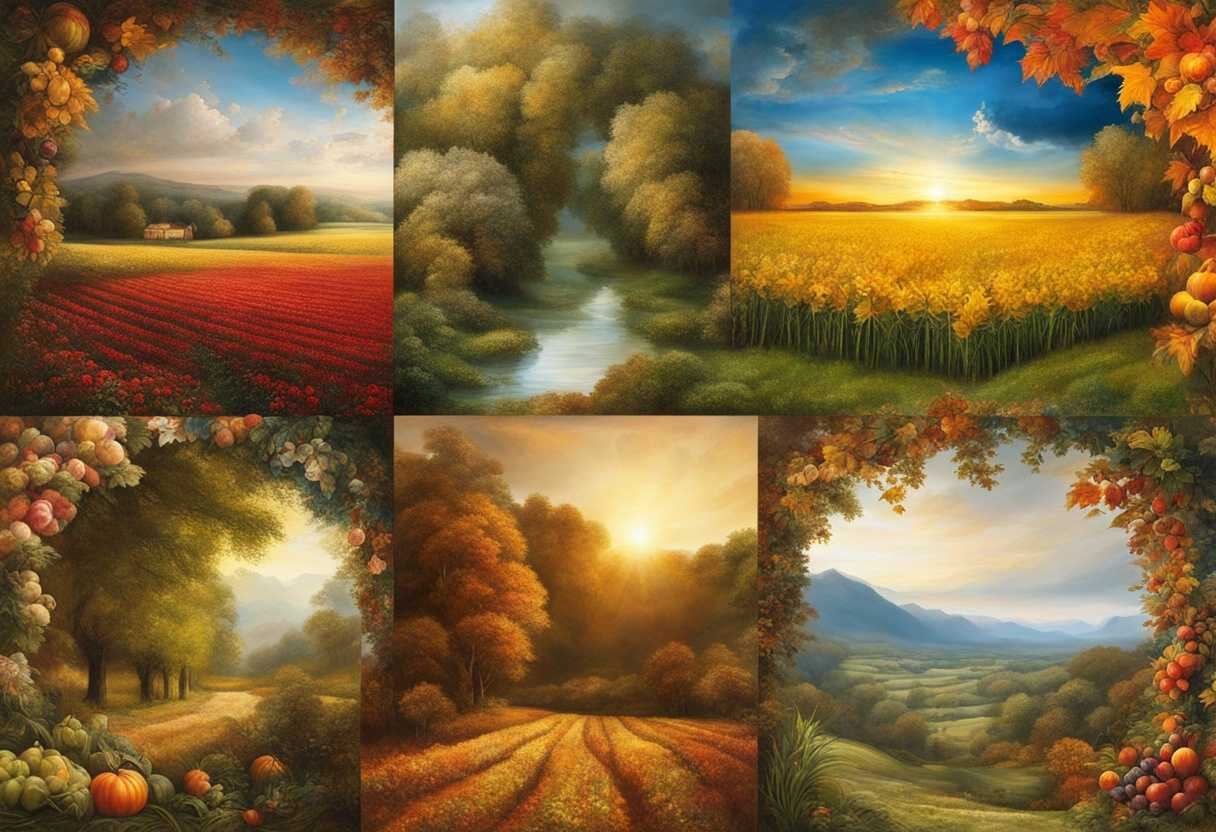
What the Bible Says About the Meaning of Seasons
In the Bible, “seasons” often refer to distinct periods of time designated by God for specific purposes, such as growth, harvest, and transformation (Ecclesiastes 3:1). They symbolize the cyclical nature of life and God’s divine timing in both creation and human experiences. Scripture 22 While the earth remains, seedtime and harvest, cold and heat, summer…
-
What the Bible Says About Hemorrhaging: A Catholic Perspective
In Catholic interpretation, hemorrhaging, as seen in the account of the woman with the issue of blood in the Gospels (e.g., Mark 5:25-34), symbolizes both physical suffering and spiritual desperation. This story highlights themes of faith, healing, and the transformative power of Christ’s touch, emphasizing the importance of seeking divine intervention in times of personal…
-

What the Bible Says About the Definition of Consume
In the Bible, the term “consume” often refers to the act of completely destroying or using up a substance, as seen in references to consuming fire or judgment (e.g., Hebrews 12:29). It can also denote an intense longing or desire, such as in the context of being consumed by love or zeal (e.g., Song of…
-

What the Bible Says About Being Above Reproach
In the Bible, “above reproach” refers to a state of being blameless or free from fault, especially regarding moral and ethical conduct. It is a quality expected of leaders and elders in the church, indicating they should live in a manner that prevents criticism or accusation (1 Timothy 3:2, Titus 1:7). Scripture 1 The saying…
-

What the Bible Says About Brimstone: Understanding Its Meaning
In the Bible, “brimstone” refers to sulfur and is often associated with divine judgment and destruction, particularly in the context of the destruction of Sodom and Gomorrah (Genesis 19:24). It symbolizes God’s wrath and the severity of sin. Scripture 24 Then the Lord rained on Sodom and Gomorrah sulfur and fire from the Lord out…
-

What the Bible Says About Non-Believers
In the Bible, a non-believer is typically understood as someone who does not have faith in God or reject the teachings of Christ, as highlighted in passages such as John 3:18, which states that those who do not believe are already condemned. Non-believers are often contrasted with believers who accept and follow the teachings of…