
Category: Definitions
-

What the Bible Says About Testimony: Understanding Its Meaning
In the Bible, “testimony” refers to evidence or witness concerning God’s laws, faithfulness, and actions, often embodied in personal accounts of faith and divine experiences. It is considered a vital means of sharing and affirming one’s faith and the truth of God’s word within the community of believers. Scripture 16 And you shall put into…
-

What the Bible Says About Tekton: Understanding Its Definition and Significance
In the Bible, “tekton” is a Greek term traditionally translated as “carpenter” but more broadly means “craftsman” or “builder.” It refers to someone skilled in working with wood and other materials, highlighting Jesus’ earthly profession before his ministry. Scripture 54 And coming to his hometown he taught them in their synagogue, so that they were…
-

What the Bible Says About the Definition of a Miracle
In the Bible, miracles are defined as extraordinary events that transcend natural laws, often performed by God or through His chosen servants, to demonstrate divine power, authority, and compassion. They serve as signs to inspire faith and reveal God’s presence and purpose in the world. Scripture 21 Then Moses stretched out his hand over the…
-

What the Bible Says About Benefits: A Spiritual Perspective
In the Bible, “benefits” often refer to the good things God provides to His people, encompassing both physical and spiritual provisions (Psalm 103:2). “Blessings” signify the favor and kindness from God, which can manifest in various forms such as prosperity, peace, and joy, reflecting a divinely bestowed state of being (Deuteronomy 28:1-14). Scripture 1 “And…
-

What the Bible Says About Agape: Understanding Its Meaning and Significance
Agape is a Greek term that signifies a selfless, unconditional love, often associated with God’s love for humanity and the type of love Christians are encouraged to show one another. It is described in 1 Corinthians 13 as the highest form of love that transcends feelings and is characterized by compassion, sacrifice, and commitment. Scripture…
-

What the Bible Says About Condemnation: A KJV Perspective
In the King James Version (KJV) of the Bible, “condemn” generally refers to the act of declaring someone guilty of wrongdoing or sin, often accompanied by a judgment that leads to punishment or separation from God. It is frequently associated with God’s judgment on sin and the moral accountability of individuals (e.g., Romans 8:1). Scripture…
-

What the Bible Says About Manifested Meaning
In the Bible, “manifested” refers to the act of making something clear or evident, often relating to the revelation of God’s presence, attributes, or truth. For instance, in John 1:14, it describes the Word becoming flesh and revealing God’s glory to humanity. Scripture 14 And the Word became flesh and dwelt among us, and we…
-

What the Bible Says About Descendants: Understanding Their Significance
In the Bible, a descendant refers to a person who is descended from a specific ancestor, often used to indicate lineage or family heritage, particularly in the context of God’s covenants and promises to certain families, such as Abraham’s descendants. This term highlights the importance of ancestry and fulfillment of divine promises across generations. Scripture…
-
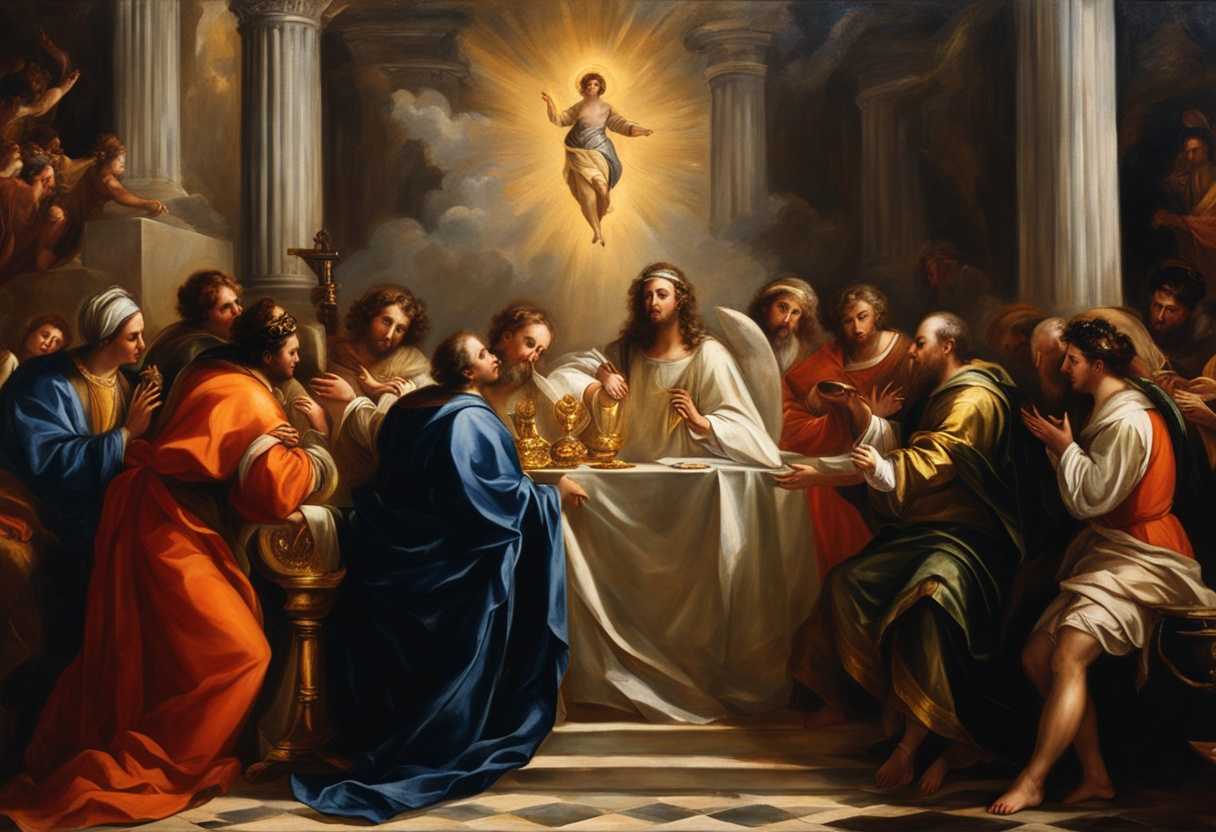
What the Bible Says About the Meaning of Oil
In the Bible, oil symbolizes divine anointing, authority, and the Holy Spirit. It is often used in ceremonial contexts, such as anointing kings and priests, indicating God’s chosen status and empowerment for service (e.g., 1 Samuel 16:13). Scripture 22 The Lord said to Moses, 23 “Take the finest spices: of liquid myrrh 500 shekels, and…
-

What the Bible Says About Turning Father Against Son: Understanding the Meaning
In the Bible, the phrase “father against son” reflects the idea of familial division due to differing beliefs or loyalties, highlighted in passages like Matthew 10:35, where Jesus states that He came to bring a sword that would divide family members. This symbolizes the spiritual conflict that can arise when individuals choose to follow Christ…