
Category: Definitions
-
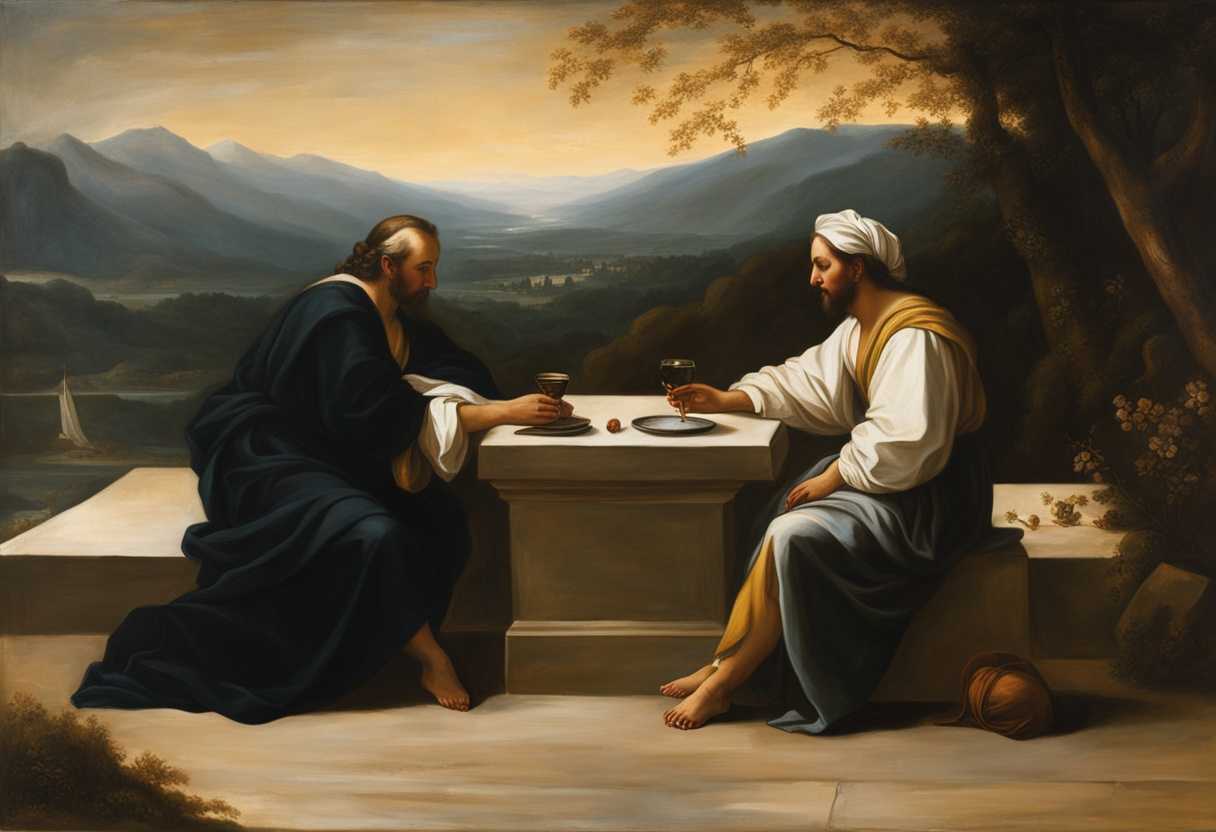
What the Bible Says About Confrontation: Understanding Its Meaning and Purpose
In the Bible, confrontation often involves directly addressing sin or wrongdoing in a manner that seeks repentance and reconciliation, as seen in Matthew 18:15-17 where believers are instructed to confront a brother or sister who has sinned. Ultimately, biblical confrontation is aimed at restoration and fostering a spirit of love and forgiveness (Galatians 6:1). Scripture…
-

What the Bible Says About Tribulation: Understanding Its Meaning
In the Bible, tribulation refers to a period of great distress, suffering, or hardship, often associated with the end times or the trials faced by believers for their faith (John 16:33; Revelation 7:14). It signifies both the challenges of earthly life and the necessary testing and refining of faith. Scripture 21 For then there will…
-

What the Bible Says About Disdained: Understanding Its Definition and Context
In the Bible, “disdained” refers to a sense of contempt or scorn towards someone or something, often representing a rejection of value or worth. It can also reflect a lack of respect, as seen in various passages that highlight how individuals or groups may disregard God’s commands or the humility of others. Scripture 24 Because…
-

What the Bible Says About Gall: Understanding Its Meaning and Significance
In the Bible, “gall” often symbolizes bitterness and sorrow. It is mentioned in contexts such as the suffering of Christ (Matthew 27:34) where it refers to a bitter potion offered to alleviate pain, representing the bitterness of sin or affliction. Scripture 18 Beware lest there be among you a man or woman or clan or…
-

What the Bible Says About Fear and Its Connection to Punishment
In the Bible, fear often denotes reverence and awe towards God, recognizing His power and authority. Punishment, on the other hand, is depicted as God’s corrective action against sin, intended for discipline and restoration rather than mere retribution (e.g., Hebrews 12:6). Scripture 24 Because I have called and you refused to listen, have stretched out…
-

What the Bible Says About the Lion: Symbolism and Meaning
In the Bible, lions often symbolize strength, power, and majesty, representing both God’s might and His judgment. They are also used to describe adversaries, as seen in 1 Peter 5:8, where the devil is described as a roaring lion seeking to devour. Scripture 34 But David said to Saul, “Your servant used to keep sheep…
-

What the Bible Says About Hostility
In the Bible, hostility often refers to animosity or enmity between individuals or groups, indicating a state of opposition or conflict. It is frequently addressed in the context of sin and moral division, as believers are encouraged to pursue peace and reconciliation instead of harboring resentment or conflict (e.g., Romans 8:7, James 4:1). Scripture 1…
-

What the Bible Says About the Meaning of 40 Days
In the Bible, the period of 40 days often symbolizes a time of testing, trial, or preparation. Notable examples include the 40 days of rain during Noah’s flood (Genesis 7:12), Moses fasting on Mount Sinai (Exodus 34:28), and Jesus’ temptation in the wilderness (Matthew 4:2). Scripture 4 For in seven days I will send rain…
-

What the Bible Says About the Lack of Knowledge
In the Bible, a lack of knowledge often refers to an absence of understanding or wisdom, especially concerning God’s truth and covenant. Proverbs 1:22 and Hosea 4:6 highlight that “my people are destroyed for lack of knowledge,” indicating that ignorance can lead to spiritual decline and destructive behaviors. Scripture 6 My people are destroyed for…
-

What the Bible Says About the Meaning of Christ
In the Bible, “Christ” refers to Jesus of Nazareth, recognized as the Anointed One or Messiah who fulfills the prophecies of the Old Testament. The term emphasizes his role as the Savior and redeemer of humanity, embodying God’s promise of salvation. Scripture 13 Now when Jesus came into the district of Caesarea Philippi, he asked…