
Category: Definitions
-

What the Bible Says About King Herod and Salome’s Role in History
King Herod, particularly Herod Antipas, is significant in the Bible as the ruler who ordered the beheading of John the Baptist due to Salome’s dance and her request for John’s head as a reward. Salome, often identified with the daughter of Herodias, symbolizes the dangers of moral corruption and the consequences of vengeance and manipulation…
-
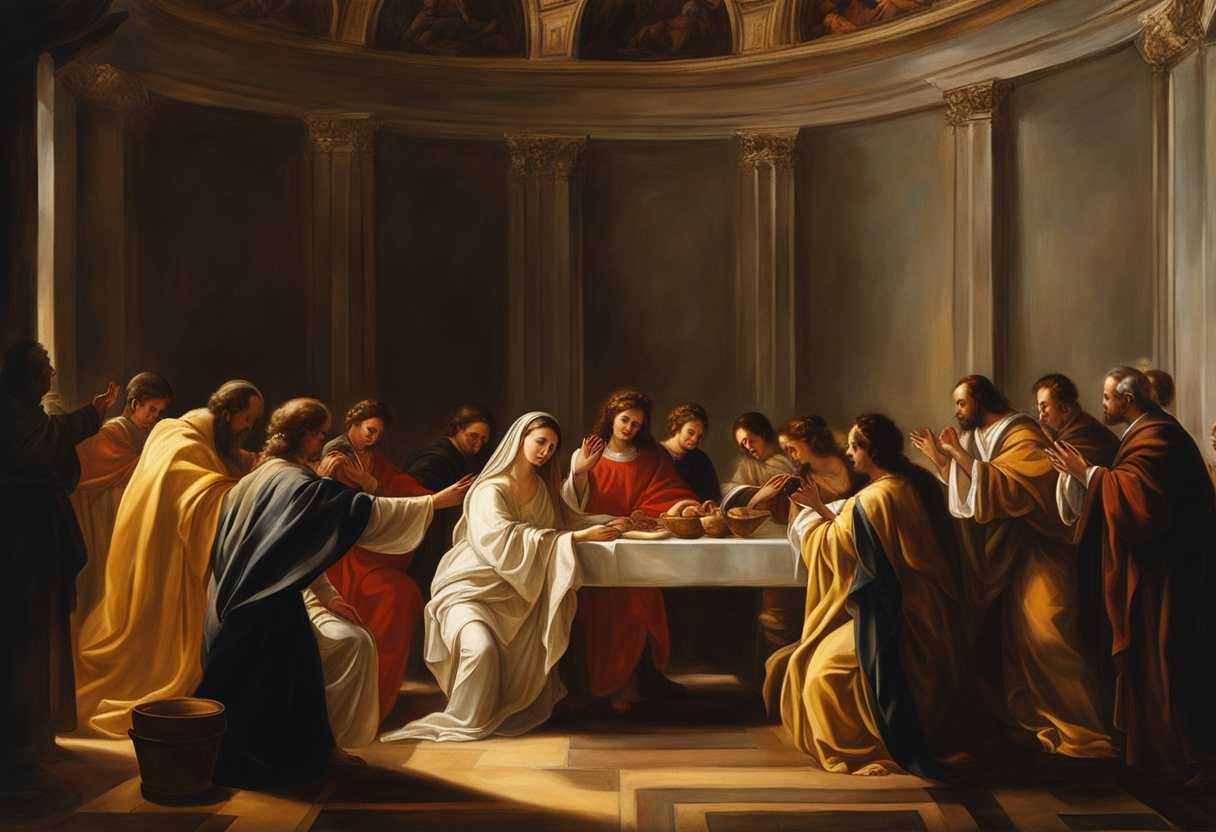
What the Bible Says About Anointing
In the Bible, to anoint means to rub or pour oil on someone as a sign of divine selection, empowerment, or consecration for a specific purpose, often associated with kings, priests, and prophets. Anointing symbolizes the presence of the Holy Spirit and God’s authority over the person being anointed. Scripture 7 Then you shall take…
-

What the Bible Says About the Meaning of Abiezer
In the Bible, Abiezer is a name that means “my father is helper.” He is identified as a member of the tribe of Manasseh and is noted in the context of the judges, specifically as one of the warriors who supported Gideon in battle (Judges 6:11). Scripture 1 Then allotment was made to the people…
-

What the Bible Says About Ministering
In the Bible, ministering refers to serving others, particularly in a spiritual context, by providing guidance, care, and support, often as an act of worship and obedience to God. It embodies the principles of love and humility, as seen in the life of Jesus and the teachings of the apostles. Scripture 26 It shall not…
-

What the Bible Says About Anakim: Understanding Their Meaning and Significance
The Anakim are a race of giants mentioned in the Bible, specifically in the Old Testament, known for their great size and strength. Described as descendants of Anak, they are often associated with fear and intimidation, particularly in the context of the Israelite spies reporting on the Promised Land (Numbers 13:33). Scripture 28 Where are…
-

What the Bible Says About Testifying
In the Bible, “testify” refers to the act of bearing witness or affirming the truth of something, particularly in relation to God’s deeds and teachings. It emphasizes the responsibility to proclaim and share one’s faith and experiences of God’s actions in one’s life, as seen in passages like John 3:11 and Revelation 1:2. Scripture 16…
-

What the Bible Says About the Chief Tax Collector
In the Bible, a chief tax collector refers to a high-ranking official responsible for tax collection in a specific region, often seen as corrupt or dishonest. One notable example is Zacchaeus in Luke 19:1-10, who was a chief tax collector in Jericho and sought to see Jesus, ultimately repenting and restoring what he had taken…
-

What the Bible Says About the Duties of a Watchman
In the Bible, a watchman is tasked with being vigilant and alert, often serving as a spiritual guardian who warns others of impending danger or judgment (Ezekiel 33:6). They are responsible for proclaiming truth and guiding the community toward righteousness, ensuring that the people remain aware of God’s messages and guidance. Scripture 17 “Son of…
-

What the Bible Says About Eli: Meaning and Lessons Learned
In the Bible, Eli is a high priest and judge of Israel known for mentoring the prophet Samuel (1 Samuel 1-3). The lessons learned from Eli’s story include the importance of obedience to God, the consequences of neglecting one’s duties, and the need for discernment in spiritual leadership. Scripture 9 After they had eaten and…
-

What the Bible Says About the Onager
In the Bible, the onager refers to a type of wild donkey mentioned in the context of God’s creation and often symbolizes untamed nature (Jeremiah 14:6). It represents strength and independence, as it roams freely in the wilderness. Scripture 5 “Who has let the wild donkey go free? Who has loosed the bonds of the…