
Category: Parables and Stories
-
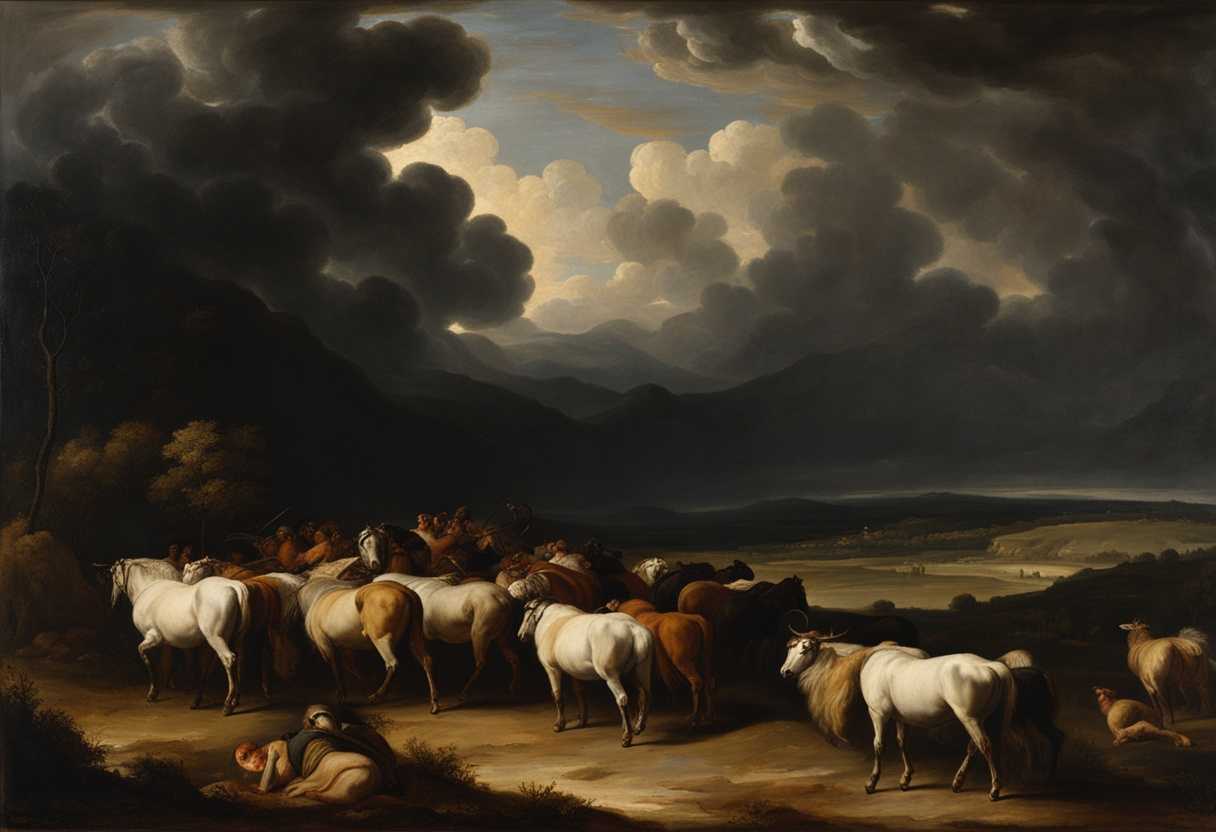
What the Bible Says About the First Murder
The story of Cain and Abel, found in Genesis 4:1-16, recounts the account of the first two sons of Adam and Eve, where Cain, a farmer, becomes envious of his brother Abel, a shepherd, after God favors Abel’s offering. In his jealousy, Cain kills Abel, leading to his curse and exile, illustrating themes of sin,…
-

What the Bible Says About Noah and the Ark: Understanding Its Meaning
In the Bible, Noah represents righteousness and obedience to God, as he was chosen to build the Ark to save his family and pairs of each animal species from the Flood, which represents divine judgment. The Ark itself symbolizes salvation and refuge, demonstrating God’s mercy amidst judgment. Scripture 9 These are the generations of Noah.…
-
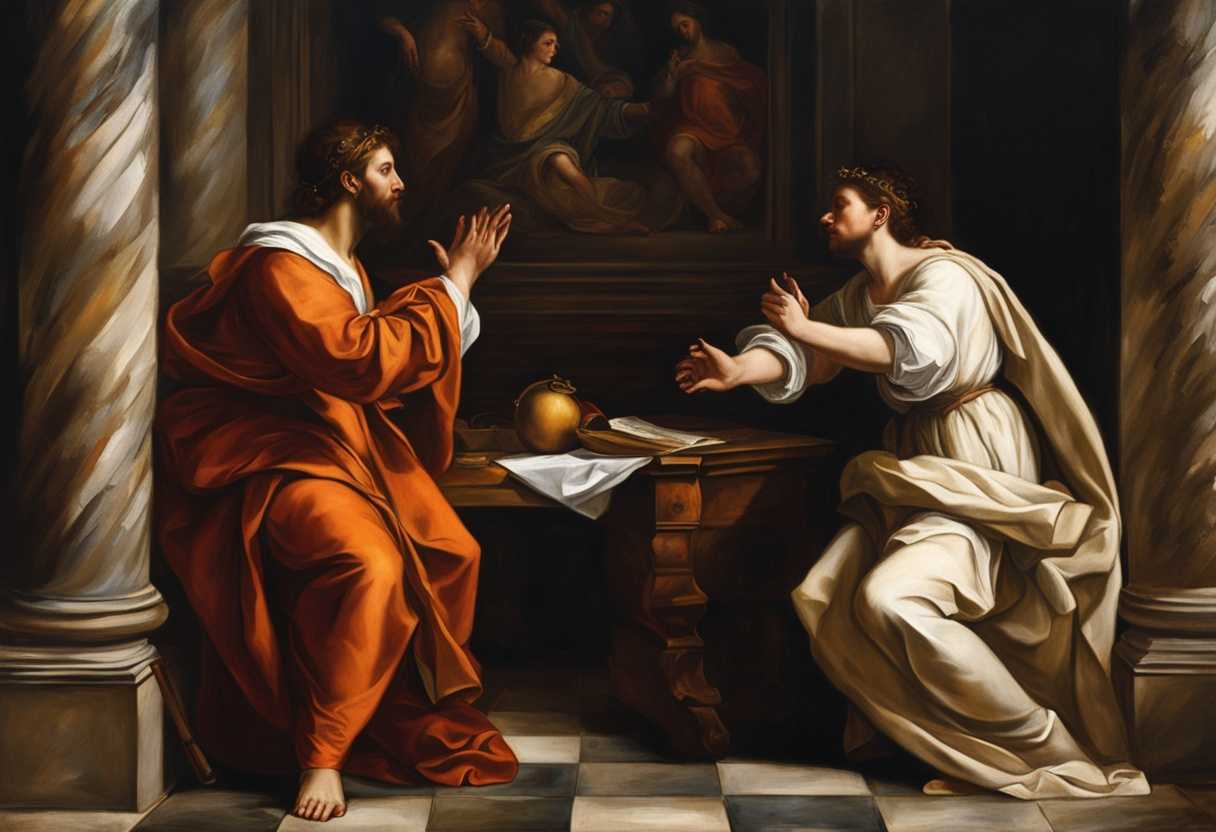
What the Bible Says About the Parable of the Unforgiving Servant’s Meaning
The Parable of the Unforgiving Servant, found in Matthew 18:21-35, illustrates the importance of forgiveness by highlighting the hypocrisy of one who, having received immense mercy, refuses to forgive a minor debt owed to him. It emphasizes that just as God forgives us our sins, we are expected to extend that same grace to others.…
-
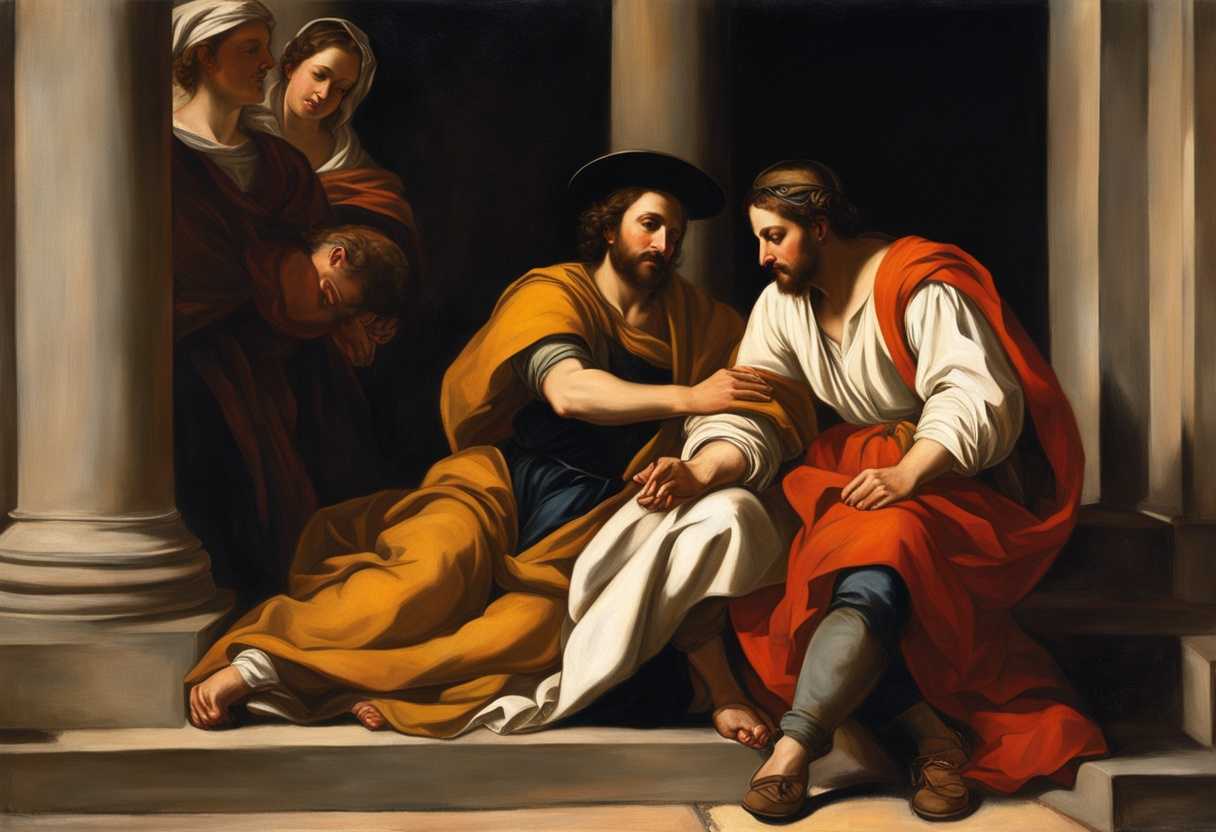
What the Bible Says About the Good Samaritan: Understanding Its Meaning
The parable of the Good Samaritan, found in Luke 10:25-37, illustrates the importance of loving one’s neighbor and showing compassion, regardless of social or ethnic boundaries. It emphasizes that true charity involves selfless acts of kindness and mercy towards those in need, demonstrating that righteousness is defined by actions, not affiliations. Scripture 25 And behold,…
-

What the Bible Says About the Definition of Parables
Parables are short, simple stories that illustrate moral or spiritual lessons, often used by Jesus to convey deeper truths about the Kingdom of God. They employ everyday experiences and relatable scenarios to communicate profound insights in a memorable way. Scripture 10 Then the disciples came and said to him, “Why do you speak to them…
-

What the Bible Says About the Rich Man and the Eye of the Needle
In the Bible, the phrase “rich man and camel eye of the needle” refers to a teaching of Jesus found in Matthew 19:24, Mark 10:25, and Luke 18:25. It illustrates the difficulty for those who are wealthy to enter the Kingdom of God, emphasizing that reliance on riches can be a barrier to spiritual entry.…
-

What the Bible Says About the Walls of Jericho: A Story of Faith and Obedience
The story of the Walls of Jericho, found in Joshua 6, symbolizes the power of faith and obedience to God. The Israelites’ victory through God’s command illustrates that divine intervention can lead to triumph over seemingly insurmountable obstacles. Scripture 1 Now Jericho was shut up inside and outside because of the people of Israel. 2…
-

What the Bible Says About the Parable of the Sower: Understanding Its Meaning
The Parable of the Sower, found in Matthew 13:1-23, illustrates how different people receive and respond to the message of the Kingdom of God. The seeds represent the word of God, and the varying types of soil symbolize the hearts of individuals, highlighting that spiritual growth is influenced by one’s receptiveness and the conditions of…
-
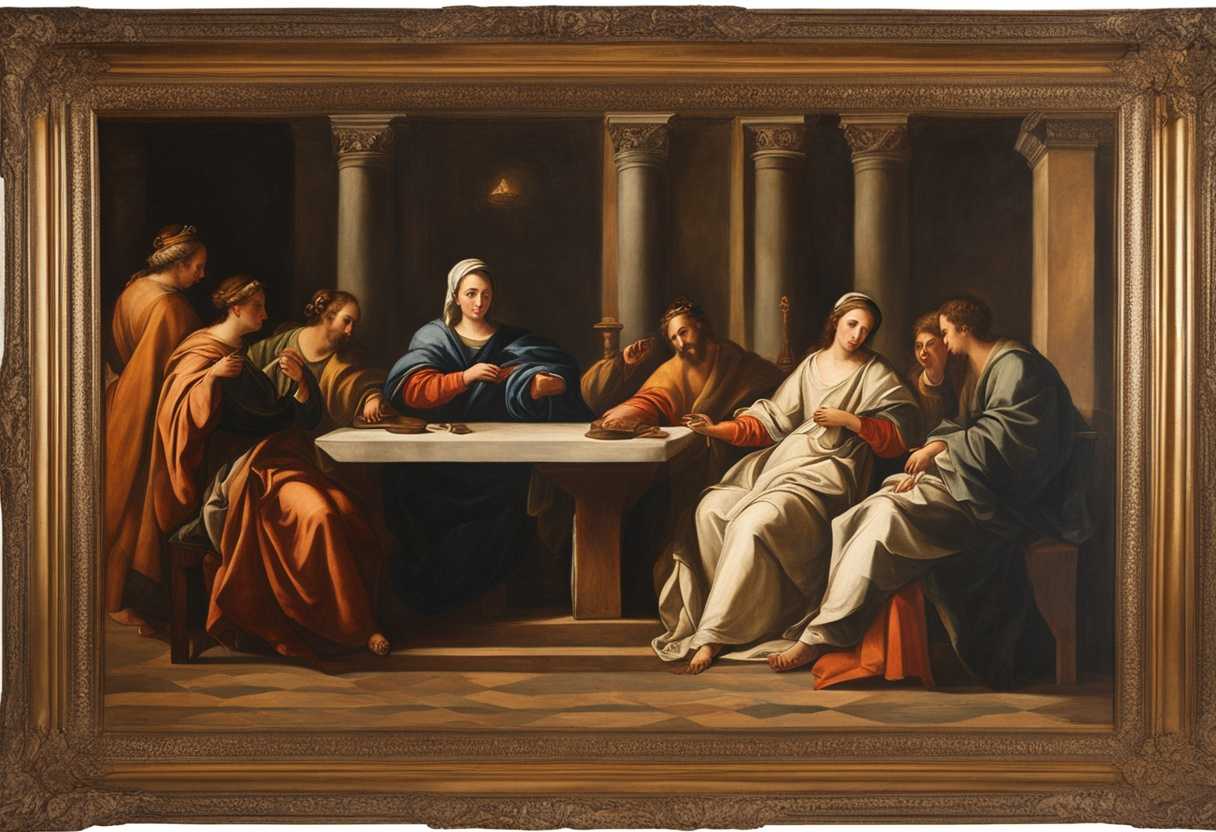
What the Bible Reveals: The Esoteric Meaning Behind Its Stories
Hidden meanings in Bible stories, often referred to as “allegory” or “typology,” suggest that the narratives convey deeper spiritual truths or moral lessons beyond their literal interpretation. These layers of meaning are explored through the symbolism of characters, events, and teachings, revealing insights into God’s nature and humanity’s relationship with Him. Scripture 22 After these…
-

What the Bible Says About the Adulterous Woman: Meaning and Lessons
In the Bible, the adulterous woman often symbolizes the temptation of sin and unfaithfulness to God. In John 8:1-11, she represents the need for compassion and forgiveness, illustrating the message that all have sinned and can receive grace. Scripture 1 My son, be attentive to my wisdom; incline your ear to my understanding, 2 that…