
Category: Spiritual and Theological Concepts
-

What the Bible Says About the Meaning of Worm
In the Bible, worms often symbolize decay, judgment, and the consequences of sin. For example, in Isaiah 14:11, they are associated with death and humiliation, while in Acts 12:23, Herod is struck down and eaten by worms as a divine judgment for his pride. Scripture 4 How then can man be in the right before…
-

What the Bible Says About Hesed: Understanding Its Meaning and Significance
In the Bible, “hesed” is a Hebrew term often translated as “loving-kindness,” “mercy,” or “steadfast love.” It describes a deep, covenantal loyalty and compassion that reflects God’s faithfulness to His people and their obligation to show kindness and loyalty to one another. Scripture 6 The Lord passed before him and proclaimed, “The Lord, the Lord,…
-

What the Bible Says About the Threshold: Meaning and Significance
In the Bible, a threshold symbolizes a boundary or point of transition, often representing a significant moment of change or commitment, such as entering into a covenant (Exodus 12:7) or a path of faith (Isaiah 26:2). It can also imply protection, as seen in the Passover narrative where the blood on the doorposts signifies safety…
-

What the Bible Says About the Meaning of Lord
In the Bible, “Lord” is often used to denote the sovereignty and authority of God, particularly as seen in the Hebrew term “YHWH” (Yahweh), which signifies His eternal and unchanging nature. It can also refer to Jesus Christ in the New Testament, emphasizing His divinity and role as Savior. Scripture 4 These are the generations…
-

What the Bible Says About the Ark of the Covenant: Its Meaning and Significance
The Ark of the Covenant is a sacred chest described in the Bible, specifically in Exodus 25, that housed the tablets of the Ten Commandments, representing God’s covenant with the Israelites. It symbolizes God’s presence among His people and served as a focal point for worship and divine communication. Scripture 10 “They shall make an…
-
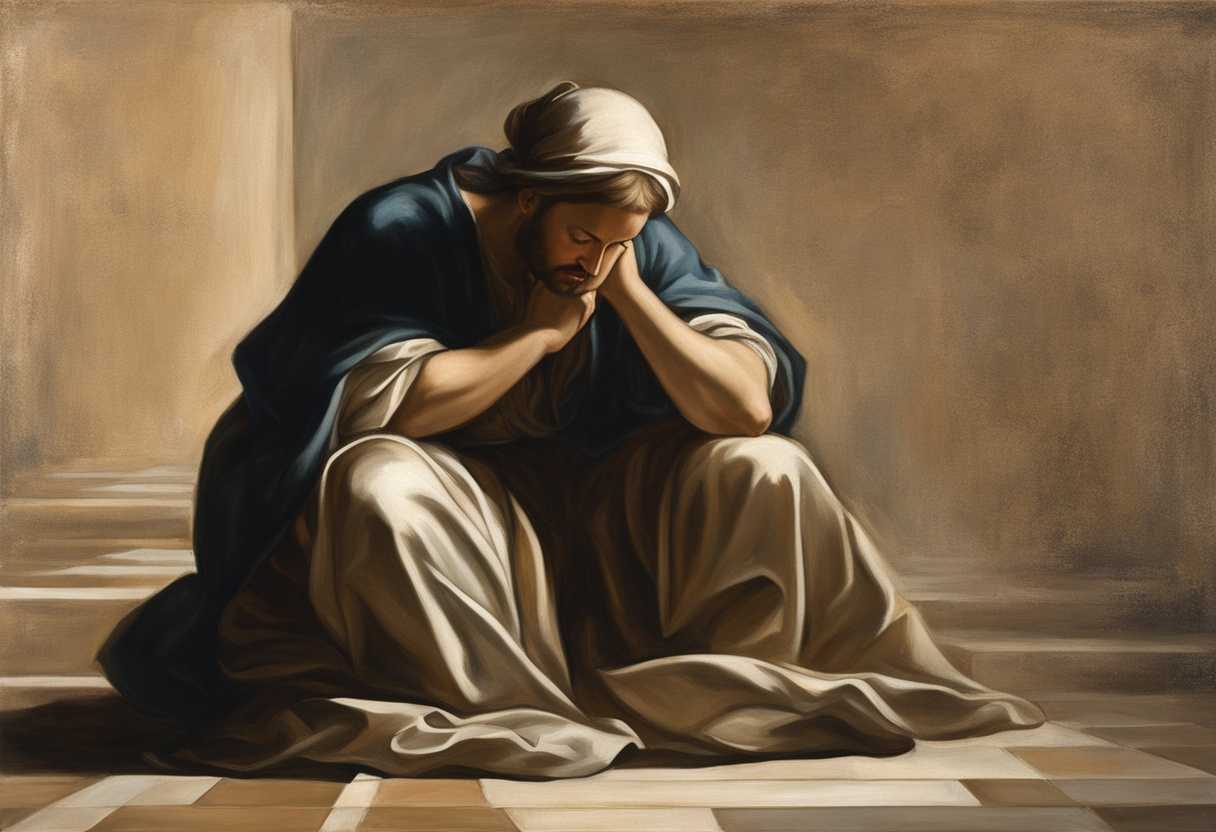
What the Bible Says About Humiliation: A Definition and Understanding
In the Bible, humiliation often refers to a state of being brought low or experiencing a loss of dignity, often used as a means of divine discipline or repentance (Job 22:29). It can also indicate the acknowledgment of one’s true position before God, fostering humility and dependence on His grace (James 4:10). Scripture 2 When…
-

What the Bible Says About the Biblical Meaning of Crystal
In the Bible, crystals often symbolize purity, beauty, and God’s divine creation. They are mentioned in descriptions of valuable items like the jewels in the High Priest’s garments (Exodus 28:17-21) and the foundations of the New Jerusalem in Revelation 21:19-21, highlighting their significance in relation to holiness and the glory of God. Scripture 17 You…
-

What the Bible Says About Sincerity: A Definition and Exploration
In the Bible, sincerity refers to a genuine and pure heart in one’s actions and intentions, free from deceit or hypocrisy. It emphasizes honesty, truthfulness, and a commitment to God, as seen in verses like 2 Corinthians 1:12, where Paul speaks of his sincerity and purity of heart. Scripture 7 But the Lord said to…
-

What the Bible Says About Being Lowly in Heart
“Lowly in heart” refers to a state of humility and dependence on God, characterized by a modest view of oneself and an acknowledgment of one’s need for divine guidance and grace. This concept is exemplified in Matthew 11:29, where Jesus invites those who are weary to learn from Him, as He is “gentle and lowly…
-

What the Bible Says About Double Portion Blessings
In the Bible, a “double portion” refers to a share of inheritance that is twice as much as that allocated to other heirs, symbolizing special favor or blessing from God. It is often associated with the prophetic inheritance given to Elisha from Elijah (2 Kings 2:9-10) and signifies a greater empowerment or responsibility in serving…