
Category: Spiritual and Theological Concepts
-
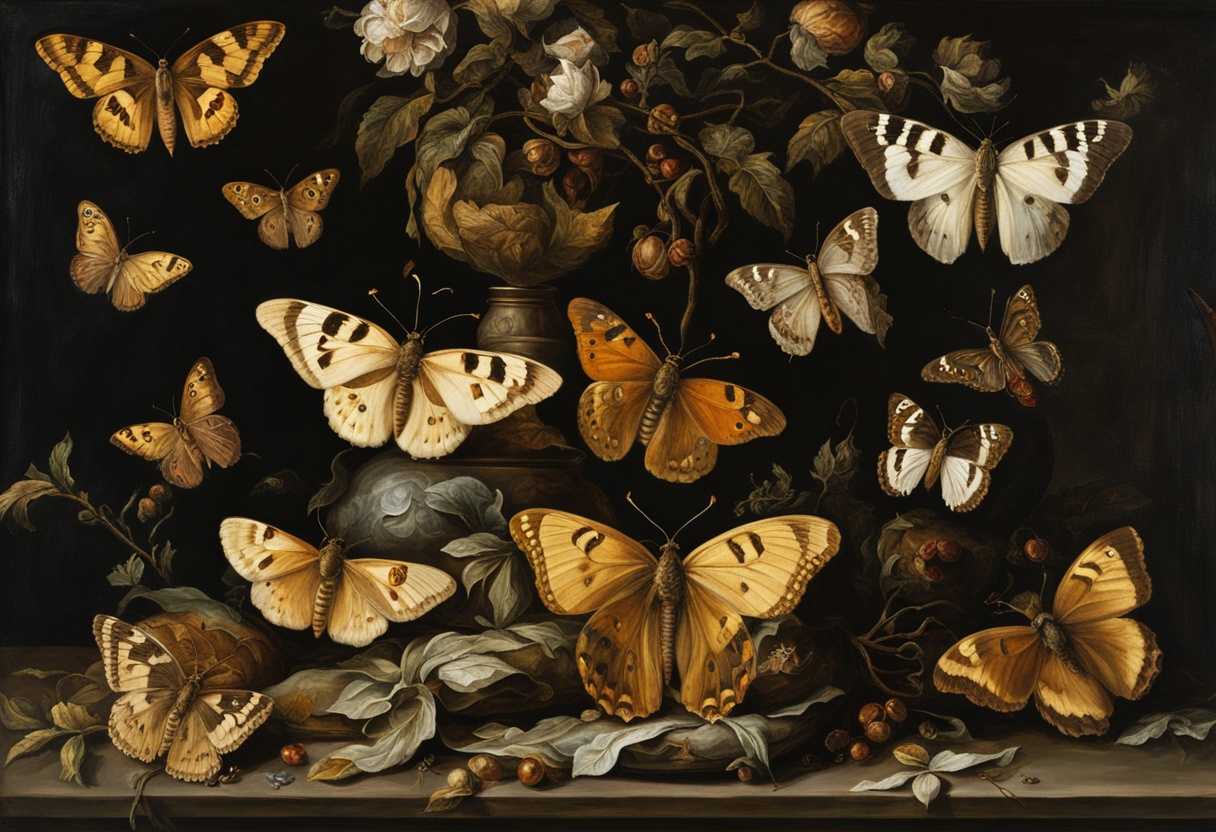
What the Bible Says About the Moth: A Symbol of Transience and Destruction
In the Bible, moths are often used as symbols of decay and transience, representing how material possessions are temporary and can be easily destroyed (Matthew 6:19-20). They highlight the importance of focusing on spiritual riches that endure rather than earthly wealth that can perish. Scripture 18 Even in his servants he puts no trust, and…
-

What the Bible Says About the Meaning of Spring
In the Bible, spring is often associated with renewal, rebirth, and the promises of God, exemplified by concepts like the blooming of flowers and the arrival of new life (Song of Solomon 2:11-12). It also parallels the themes of resurrection and the celebration of Passover, symbolizing hope and divine restoration. Scripture 20 Then Noah built…
-

What the Bible Says About the Blood Red Moon: Meaning and Significance
In the Bible, a “blood moon” is often associated with apocalyptic events and divine judgment, as seen in passages like Joel 2:31 and Revelation 6:12. It symbolizes a sign of the end times and the fulfillment of prophecy. Scripture 28 “And it shall come to pass afterward, that I will pour out my Spirit on…
-

What the Bible Says: The Definition of “Amen”
In the Bible, “Amen” is a Hebrew word meaning “so be it” or “truly,” used to express agreement, affirmation, or certainty. It often concludes prayers and statements, signifying faith in the truth of what has been said. Scripture 22 May this water that brings a curse pass into your bowels and make your womb swell…
-

What the Bible Says About a Ready Mind
In the Bible, a “ready mind” refers to a state of being prepared and eager to learn, understand, and accept truth, particularly in the context of faith and knowledge of God. This concept is reflected in 1 Peter 1:13, which encourages believers to be alert and fully prepared to receive God’s grace and guidance. Scripture…
-

What the Bible Says About Diverse Definitions of Faith
In the Bible, diversity reflects the variety of God’s creation, including the differences in ethnicity, culture, and spiritual gifts among people, as seen in passages like 1 Corinthians 12:12-27, which emphasizes that all members of the body of Christ, despite their differences, are essential and valuable. This diversity is intended to promote unity and cooperation…
-

What the Bible Says About the Definition of Holy Power
In the Bible, holy power refers to the divine authority and strength that comes from God, often associated with the Holy Spirit. It empowers believers to perform acts of faith, bear witness to God’s truth, and live righteously in accordance with His will. Scripture 6 “Your right hand, O Lord, glorious in power, your right…
-
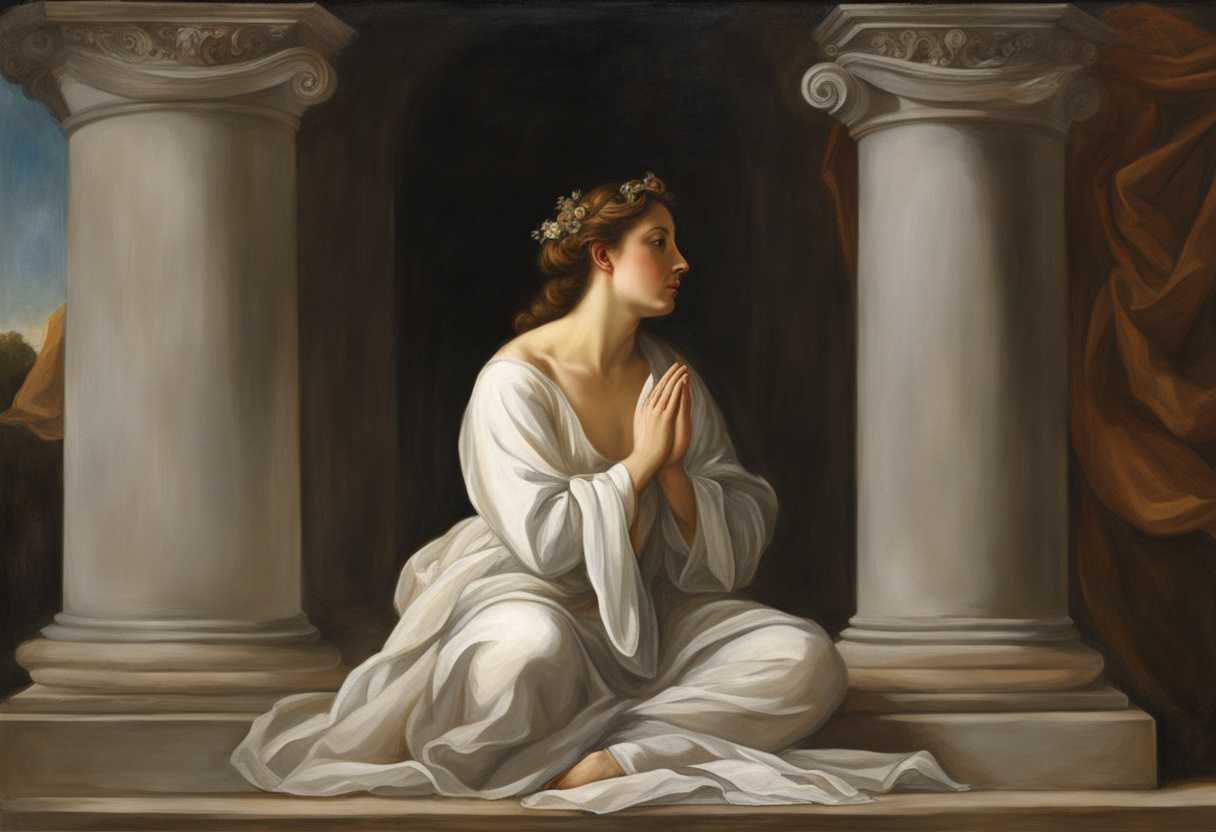
What the Bible Says About Mysticism: A Definition and Exploration
Mysticism in the Bible refers to the pursuit of deeper spiritual truths and experiences through direct communion with God, often characterized by contemplation and inner spiritual insight. It is embodied in practices such as prayer, meditation, and the seeking of divine revelation, as seen in the experiences of prophets and mystics like David and the…
-

What the Bible Says About Realized Eschatology: Understanding Its Definition and Implications
Realized eschatology in the Bible refers to the belief that the end times and the Kingdom of God are already present and accessible in the life and ministry of Jesus Christ. This perspective emphasizes that certain aspects of salvation, redemption, and the fulfillment of God’s promises are experienced in the present rather than being solely…
-

What the Bible Says About the Soul: A King James Definition
In the King James Bible, the term “soul” (derived from the Hebrew “nephesh” and the Greek “psyche”) refers to the immaterial essence of a person, encompassing their mind, will, emotions, and life force. It is often understood as the seat of personal identity and the vital principle that connects individuals with God and the spiritual…